-
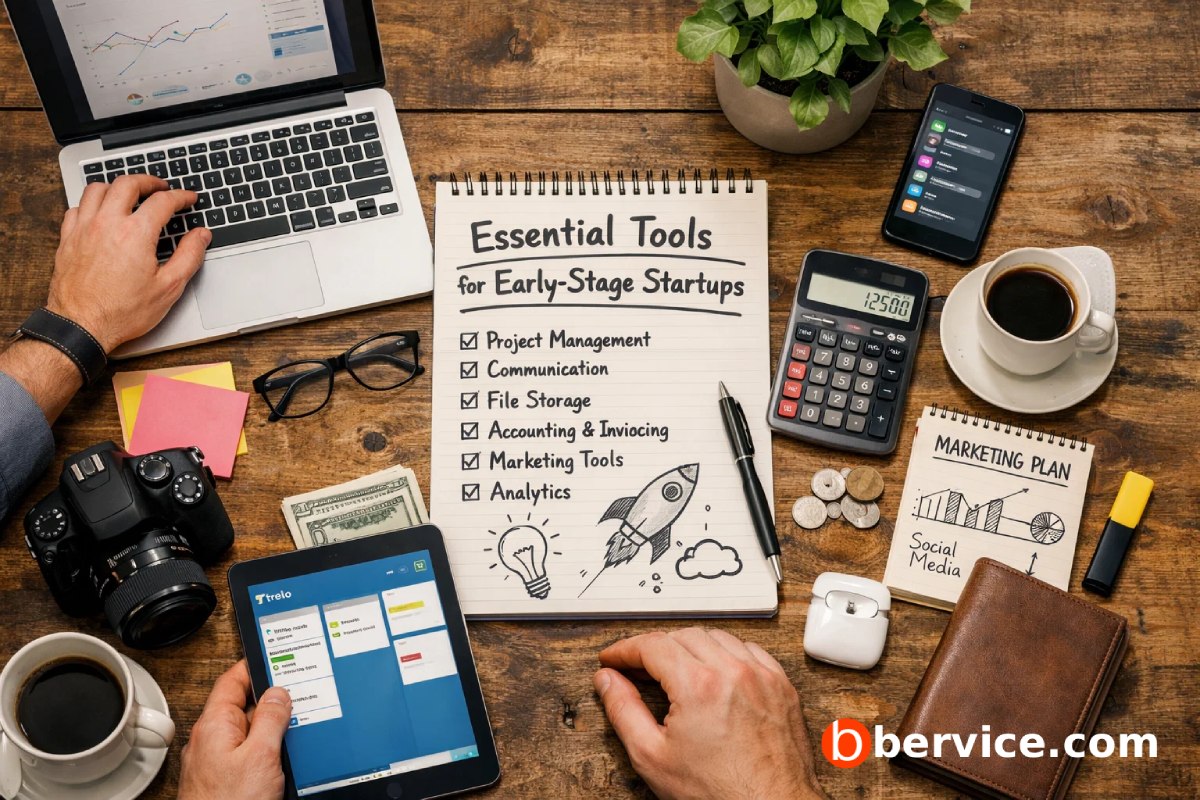
Essential Tools for Early-Stage Startups
A Practical Stack for Tech and SaaS Product Companies Starting a technology startup or a SaaS product company involves far more than building software. Early-stage founders must manage product development, team collaboration, customer communication, infrastructure, analytics, and financial operations simultaneously. Without the right foundational tools, even talented teams can waste significant time on operational…
-

The Foundational Structure of an Early-Stage Startup Designed for Growth and Investment
Introduction: Why Startup Structure Matters from Day One Many early-stage startups focus heavily on building products, acquiring users, or raising initial capital. While these elements are essential, one critical factor is often overlooked: the structural foundation of the startup itself. A startup that lacks a clear and scalable structure can quickly face operational chaos,…
-

The Visibility Gap: Why Leaders Often Cannot See Real Progress in Their Companies
Introduction: The Illusion of Progress In many organizations, leaders believe their teams are moving forward, yet they struggle to clearly understand how much real progress has actually been made. Meetings, reports, dashboards, and metrics may create the appearance of constant movement, but these signals often fail to represent the broader picture of organizational advancement.…
-

The Hidden Challenges Startups Face in Managing Project Execution
Startups are often celebrated for their innovation, agility, and ambition. Founders focus intensely on product development, fundraising, and market entry. However, one of the most overlooked areas of failure in early-stage companies is project execution management. While many startups believe their biggest risks are financial or technical, the reality is that execution complexity often…
-

How Artificial Intelligence Can Eliminate Internal Bureaucracy in Startups
Introduction: The Hidden Cost of Startup Bureaucracy Startups are often imagined as agile, innovative environments where decisions move quickly and teams operate with minimal friction. However, as startups grow, internal bureaucracy begins to emerge. Processes that once took minutes suddenly require multiple approvals, documents, spreadsheets, emails, and meetings. These internal administrative tasks gradually consume…