-
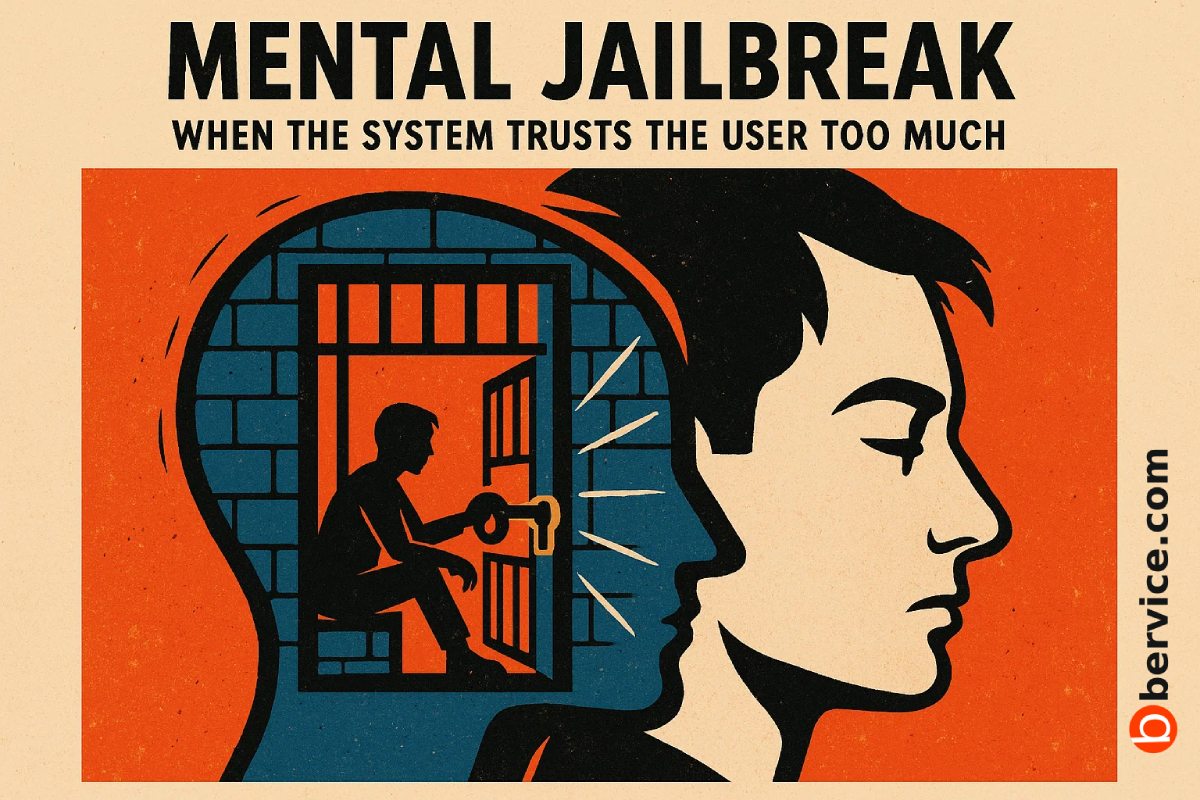
Mental Jailbreak: When the System Trusts the User Too Much
Modern mobile operating systems are designed around one fundamental assumption: the user is both the owner and the greatest threat to the device. This paradox is at the core of every security model in Android and iOS. While vendors invest heavily in sandboxing, mandatory access control, and kernel hardening, a single decision made by…
-
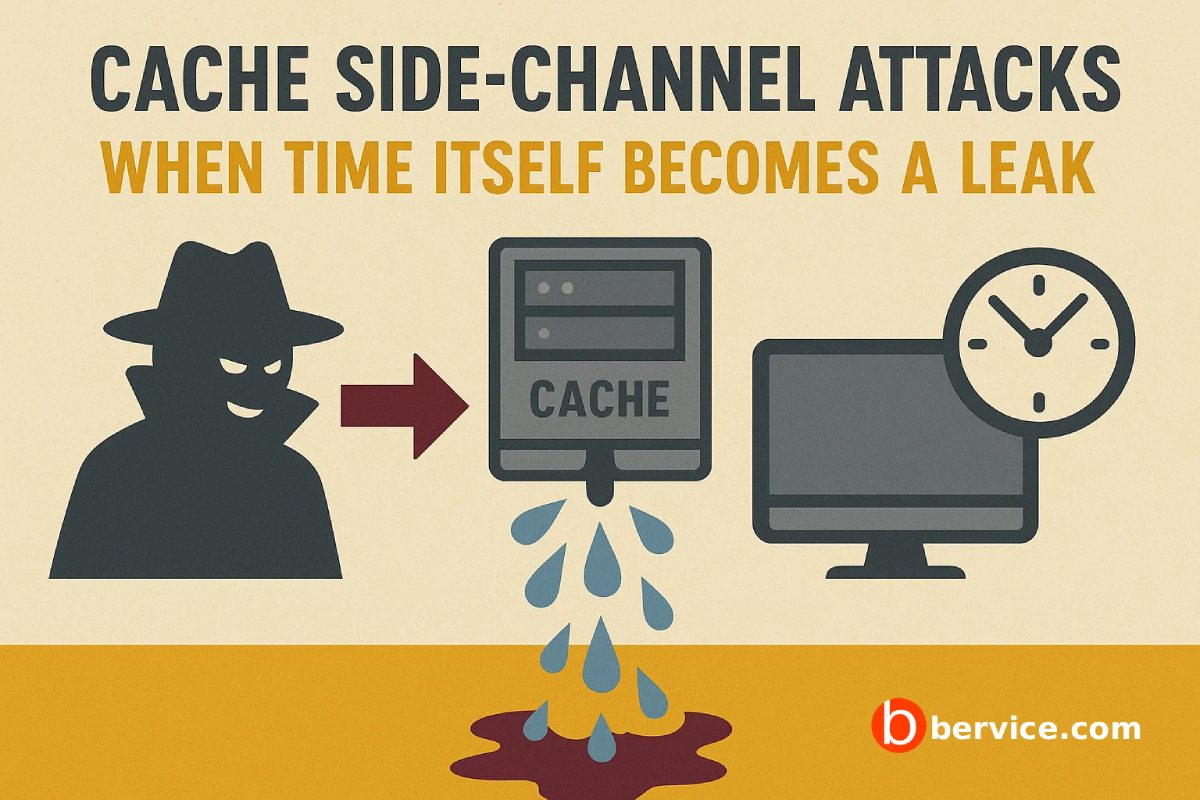
Cache Side-Channel Attacks: When Time Itself Becomes a Leak
Modern computing systems rely on multilayered memory hierarchies designed for speed, not secrecy. CPU caches — L1, L2, L3 — exist to accelerate access to frequently used data. But that optimization introduces a blind spot: timing differences. Attackers can observe tiny delays in memory access and extract information that should never be accessible. No…
-
The Silent Crash: When Systems Fail Without Leaving a Trace
In distributed systems, cloud platforms, and high-performance infrastructures, the most dangerous failures are not the ones that fill dashboards with red alerts they are the ones that vanish without a footprint. A silent crash is the nightmare scenario every serious engineer eventually faces: the system collapses, data disappears, and yet no error is logged.…
-

System-Wide Exception Management in Distributed Architectures
Distributed systems don’t fail gracefully they fail loudly and non-linearly. A single unhandled exception in one microservice can trigger a chain reaction that takes down queues, overloads upstream dependencies, and ultimately collapses the entire platform. Effective exception management in this environment is not about catching errors; it’s about designing an architecture that absorbs failures…
-

Escaping Deadlocks in Transactional Databases: Practical Strategies for Real Systems
Deadlocks aren’t theoretical annoyances they’re workflow killers. In a transactional database, a single deadlock loop can freeze critical operations, force retries at scale, and cripple overall throughput. Teams that treat deadlocks as “rare accidents” eventually pay the price. The reality is simple: if your application uses locks, your system is already vulnerable. 1. Why…