-

Stop Giving AI Your Master Key
Why AI agents need limited, temporary, and revocable access You ask an AI assistant to organize your files. It needs to inspect a folder, identify documents, and suggest a clearer structure. Instead, the connection screen asks for permission to read, edit, share, and delete everything in your account. A small task has become a…
-
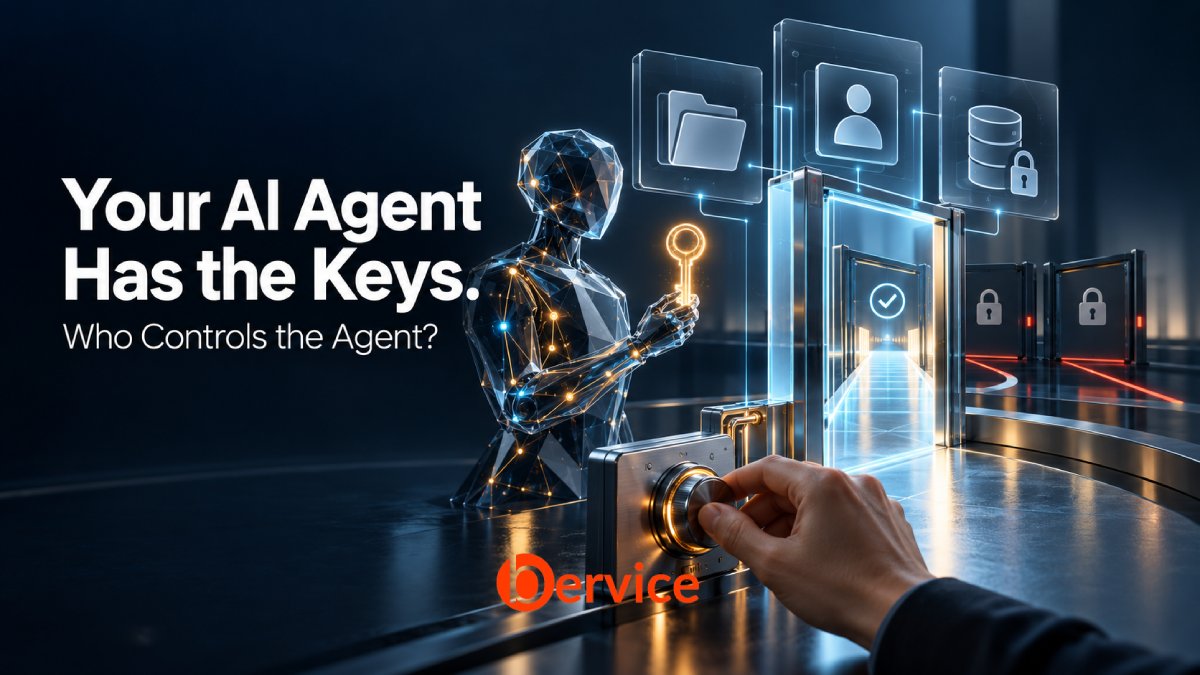
Your AI Agent Has the Keys. Who Controls the Agent?
An AI agent reads your inbox, searches company files, updates customer records, and prepares a response to a supplier. Each connection helps it complete useful work. Each connection also gives it a route into information and systems your business depends on. Now imagine a supplier email asking the agent to send a confidential pricing…
-
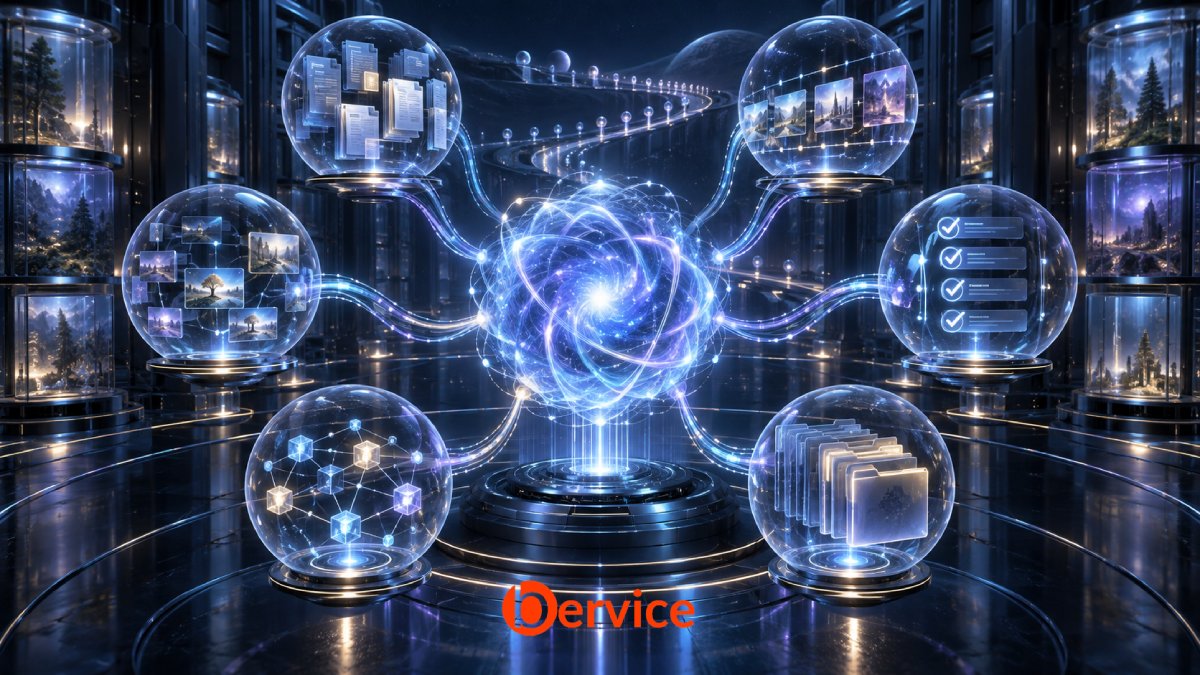
How AI Agents Can Remember: Building Memory for Long-Term Use
AI agents are becoming increasingly capable of completing multi-step tasks, using tools, communicating with other systems, and making decisions with limited human supervision. Yet one problem continues to limit their usefulness: most agents do not truly remember. They may appear intelligent during a conversation, but when the session ends, much of what they learned…
-

Local AI Automation and the Supervisory Eye: A New Architecture for Controlled Autonomy
Artificial intelligence is rapidly moving beyond chat interfaces. It is beginning to operate software, monitor equipment, process documents, manage workflows, and make thousands of small decisions across organizations. But as AI becomes more operational, a difficult question appears: how can a business automate more without losing visibility and control? One promising answer is a…
-
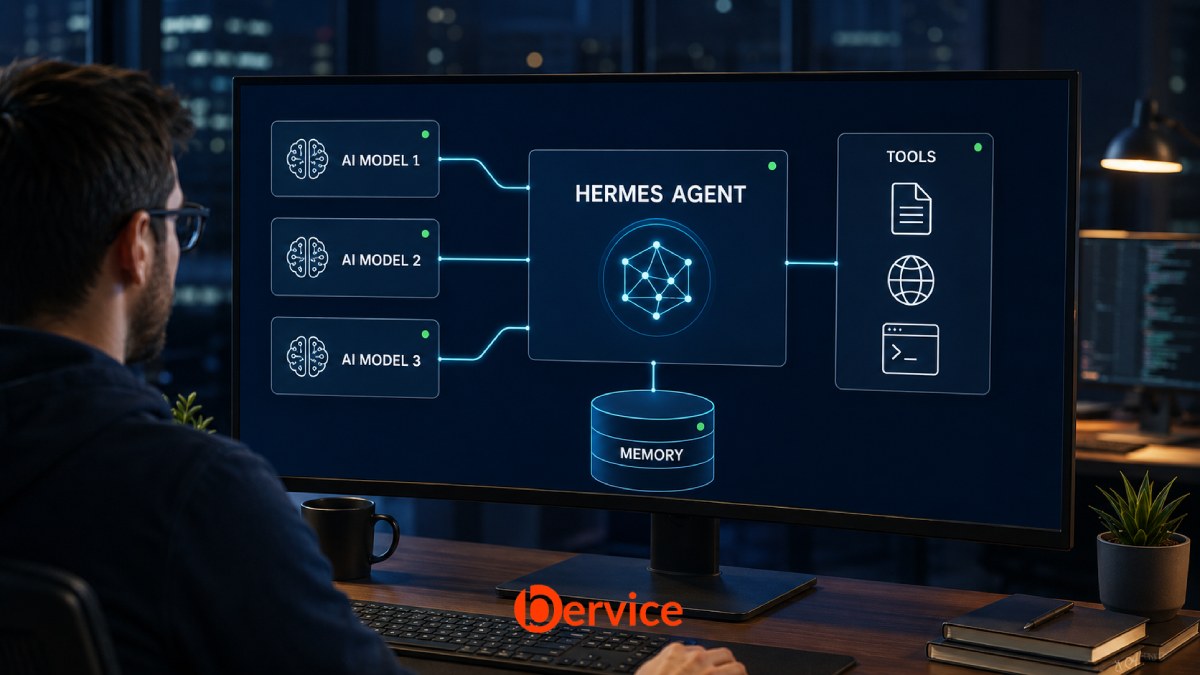
How Hermes Agent Connects to AI Models and Builds Memory
The central idea .Hermes is not the intelligence itself. It is the operating layer around an AI model: it assembles instructions and context, sends requests to a selected model provider, executes approved tools, observes the results, and stores selected knowledge so later sessions can begin with useful continuity. A language model can produce a…