-
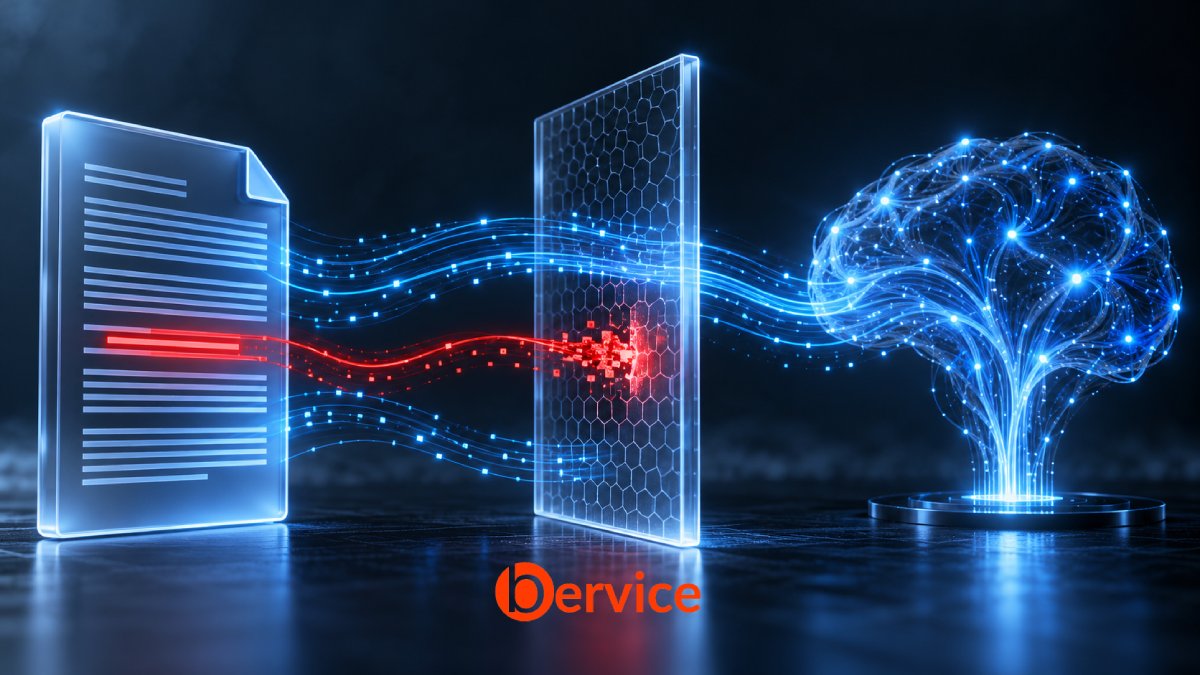
Your Files Can Carry Instructions. Should Your AI Obey Them?
As AI agents read documents and take actions across our digital workplaces, a new security question emerges: when does useful content become an unauthorized instruction? A finance manager asks an AI assistant to summarize a supplier’s invoice. The assistant opens the document, identifies the total amount, and prepares a short summary. Hidden inside the…
-

A Secure Vault for the Human-Agent Workplace
When people and AI agents share information, security must govern who can access it, what they can do with it, and where it can go next. A project manager opens a confidential contract. An AI agent extracts the deadlines. Another compares the payment terms with previous agreements. A third prepares a supplier email. One…
-

Your Company’s Next Data Leak Could Start with a Helpful AI
An employee uploads a confidential contract to get a quick summary. The answer arrives in seconds. Understanding where the information went may take much longer. A supplier contract lands in an employee’s inbox shortly before a meeting. It is long, technical, and full of clauses that need explaining. The employee opens an AI assistant,…
-

Stop Giving AI Your Master Key
Why AI agents need limited, temporary, and revocable access You ask an AI assistant to organize your files. It needs to inspect a folder, identify documents, and suggest a clearer structure. Instead, the connection screen asks for permission to read, edit, share, and delete everything in your account. A small task has become a…
-
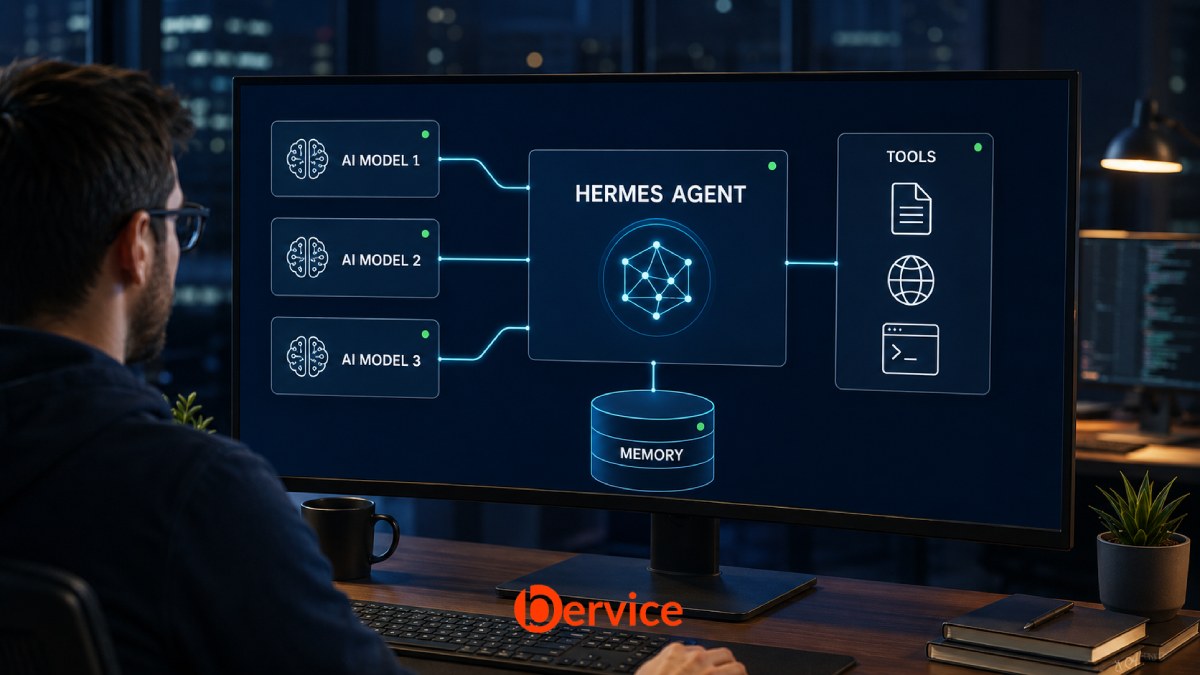
How Hermes Agent Connects to AI Models and Builds Memory
The central idea .Hermes is not the intelligence itself. It is the operating layer around an AI model: it assembles instructions and context, sends requests to a selected model provider, executes approved tools, observes the results, and stores selected knowledge so later sessions can begin with useful continuity. A language model can produce a…