-
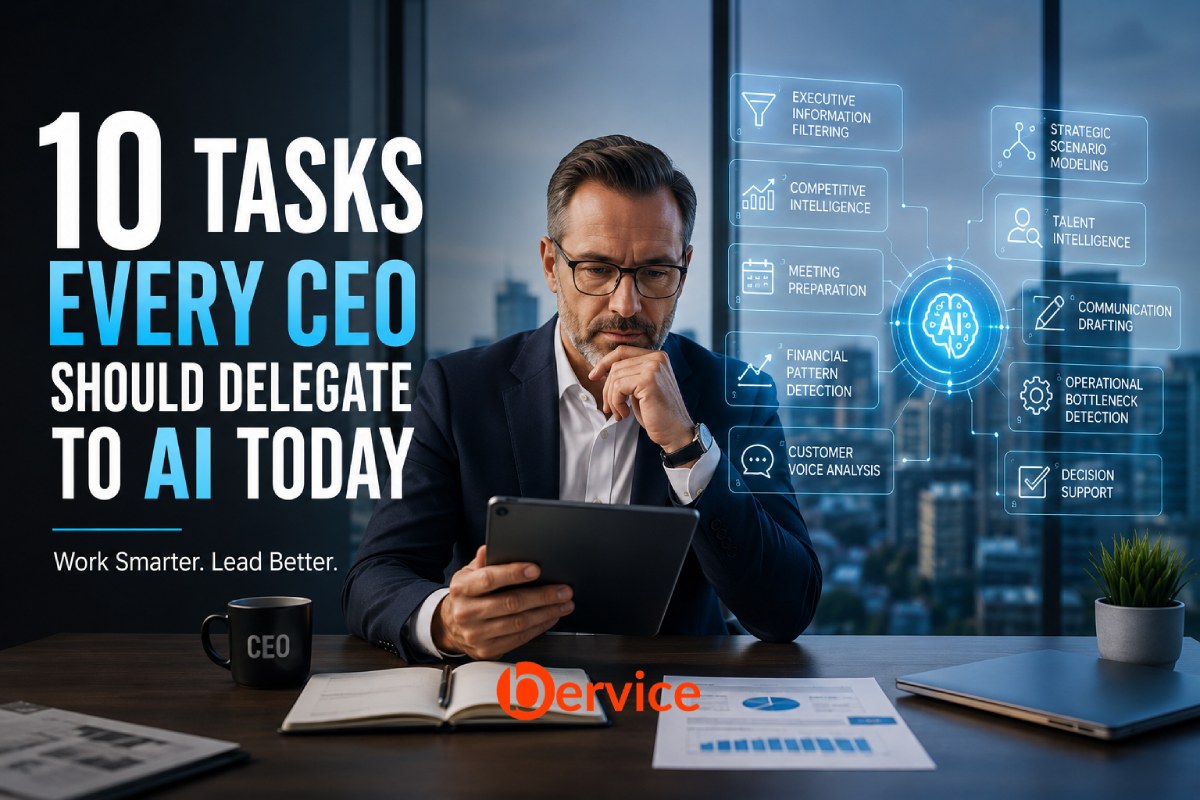
10 Tasks Every CEO Should Delegate to AI Today
The New Leadership Playbook for the Age of Intelligent Organizations For decades, the role of a CEO has been defined by one scarce resource: attention. Every day, leaders are forced to decide where to spend their time while drowning in meetings, reports, emails, market changes, and endless operational decisions. Artificial Intelligence changes that equation.…
-
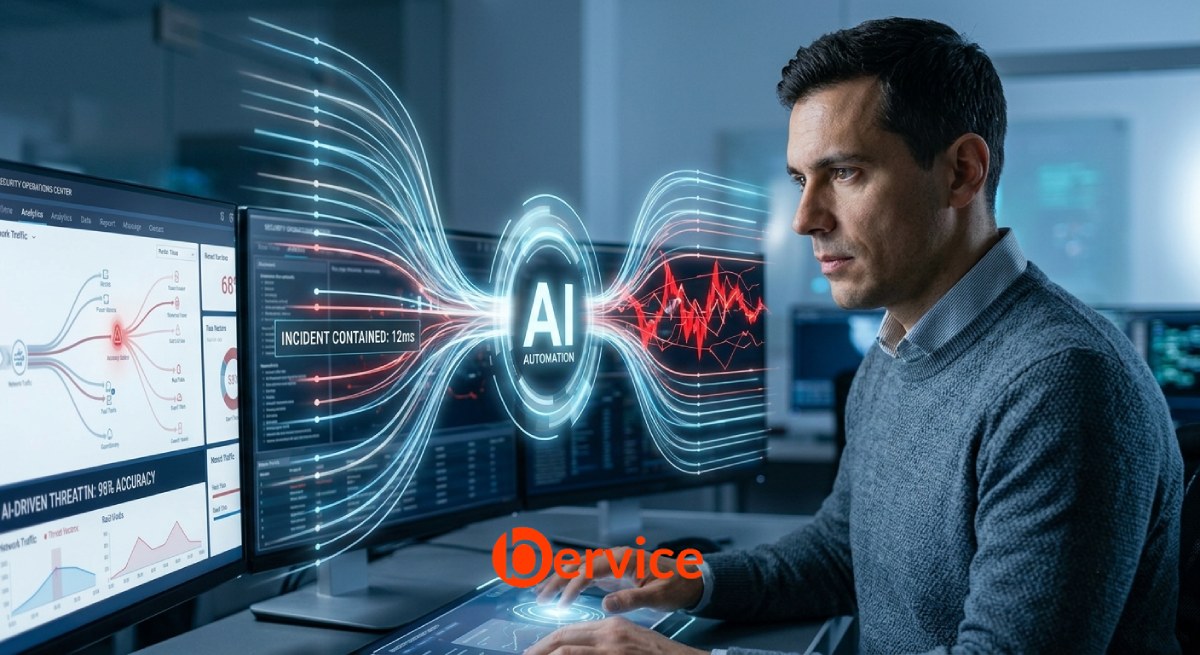
Why Traditional Security Is No Longer Enough: Why AI Must Become Part of Your Security Architecture
Introduction For decades, cybersecurity has been built on a simple assumption: if organizations could build stronger walls, attackers would eventually give up. Firewalls became smarter. Antivirus software became faster. Intrusion Detection Systems became more sophisticated. Security teams invested billions in prevention. Yet despite all these investments, cyberattacks continue to increase in both frequency and…
-
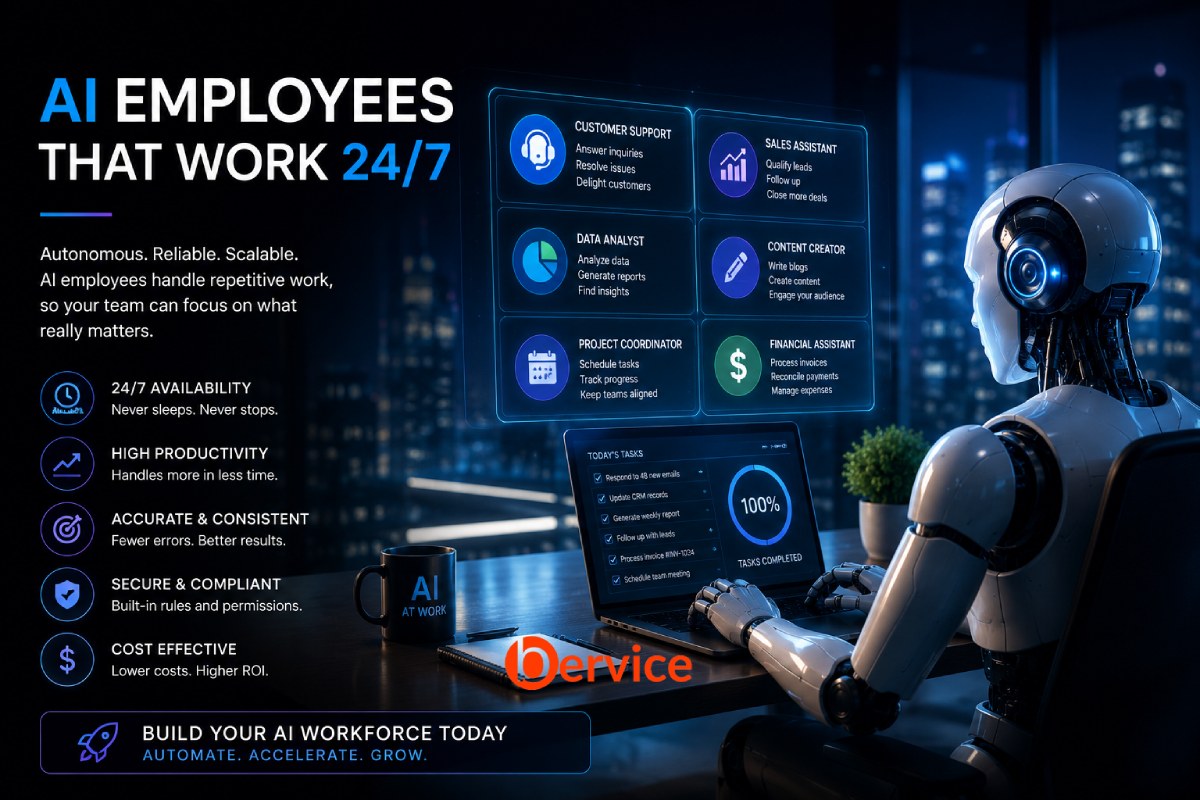
How to Build an AI Employee That Works 24/7?
Artificial Intelligence is no longer just a tool for answering questions or generating content. It is evolving into something much more valuable: a digital employee capable of performing real business tasks around the clock. Unlike traditional software, an AI employee can understand requests, make decisions within defined boundaries, communicate with customers, use business systems,…
-
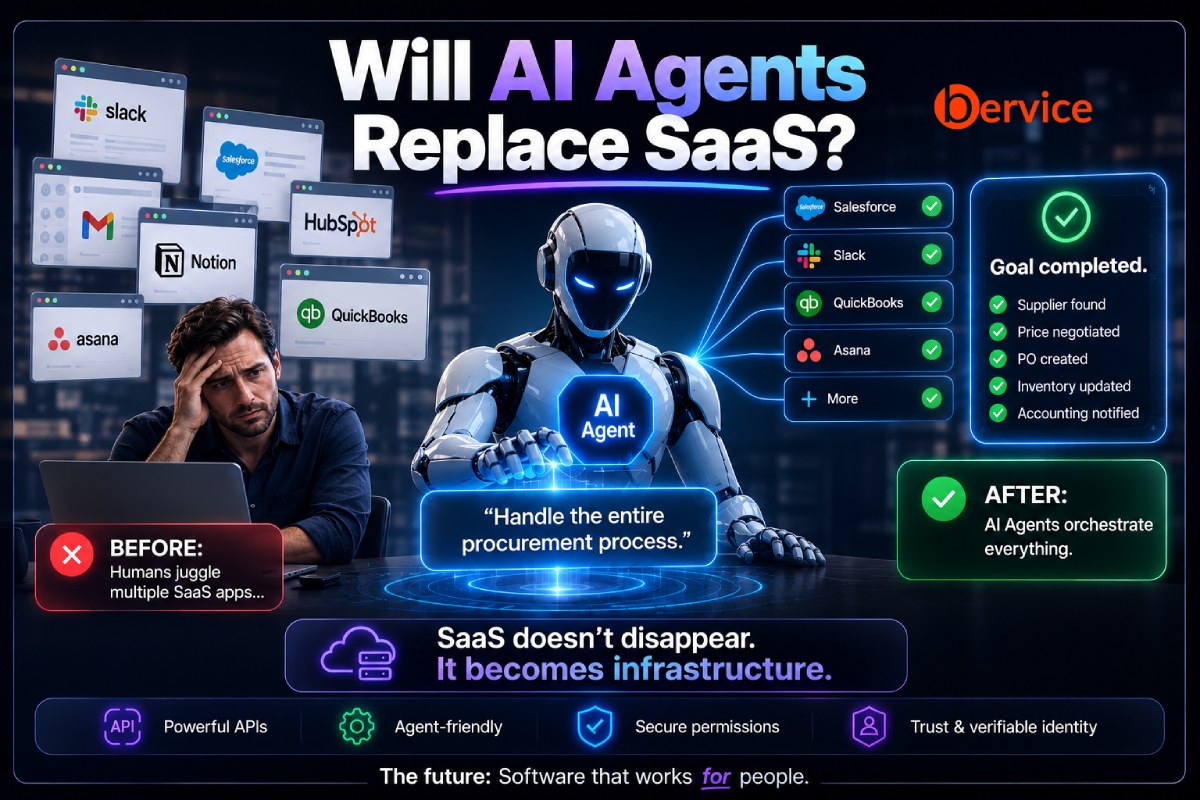
Will AI Agents Replace SaaS? Or Will They Reinvent It?
The Biggest Shift Since Cloud Computing For the past two decades, Software as a Service (SaaS) has dominated the software industry. Every business function became a separate application. CRM.ERP.HR.Accounting.Project Management.Marketing.Customer Support. Whenever a company needed a new capability, it purchased another SaaS subscription. This model created trillion dollar companies and transformed how organizations operate.…
-
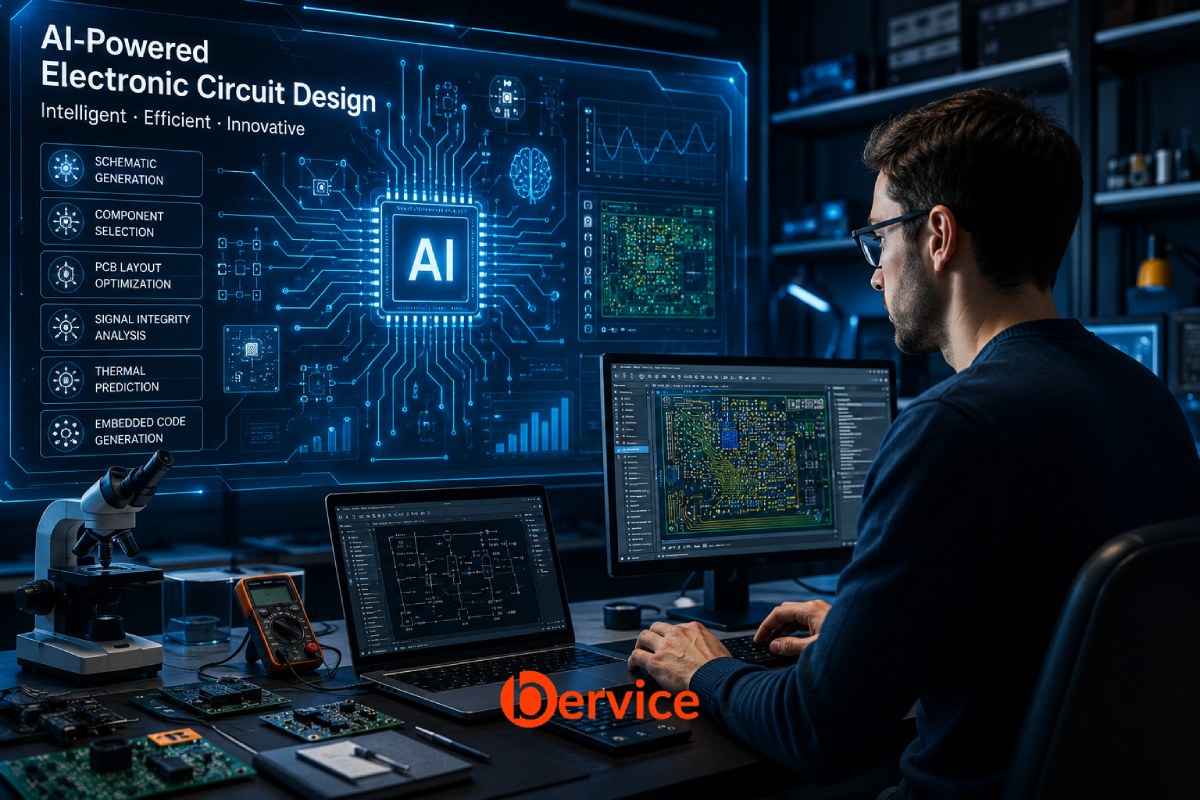
How Artificial Intelligence Is Transforming Electronic Circuit Design
Introduction Artificial Intelligence (AI) is rapidly reshaping the electronics industry. What once required weeks of manual calculations, repeated simulations, and countless hardware prototypes can now be accelerated with intelligent software capable of learning from millions of previous designs. Modern AI tools are no longer limited to automating repetitive tasks. They actively assist engineers by…