-
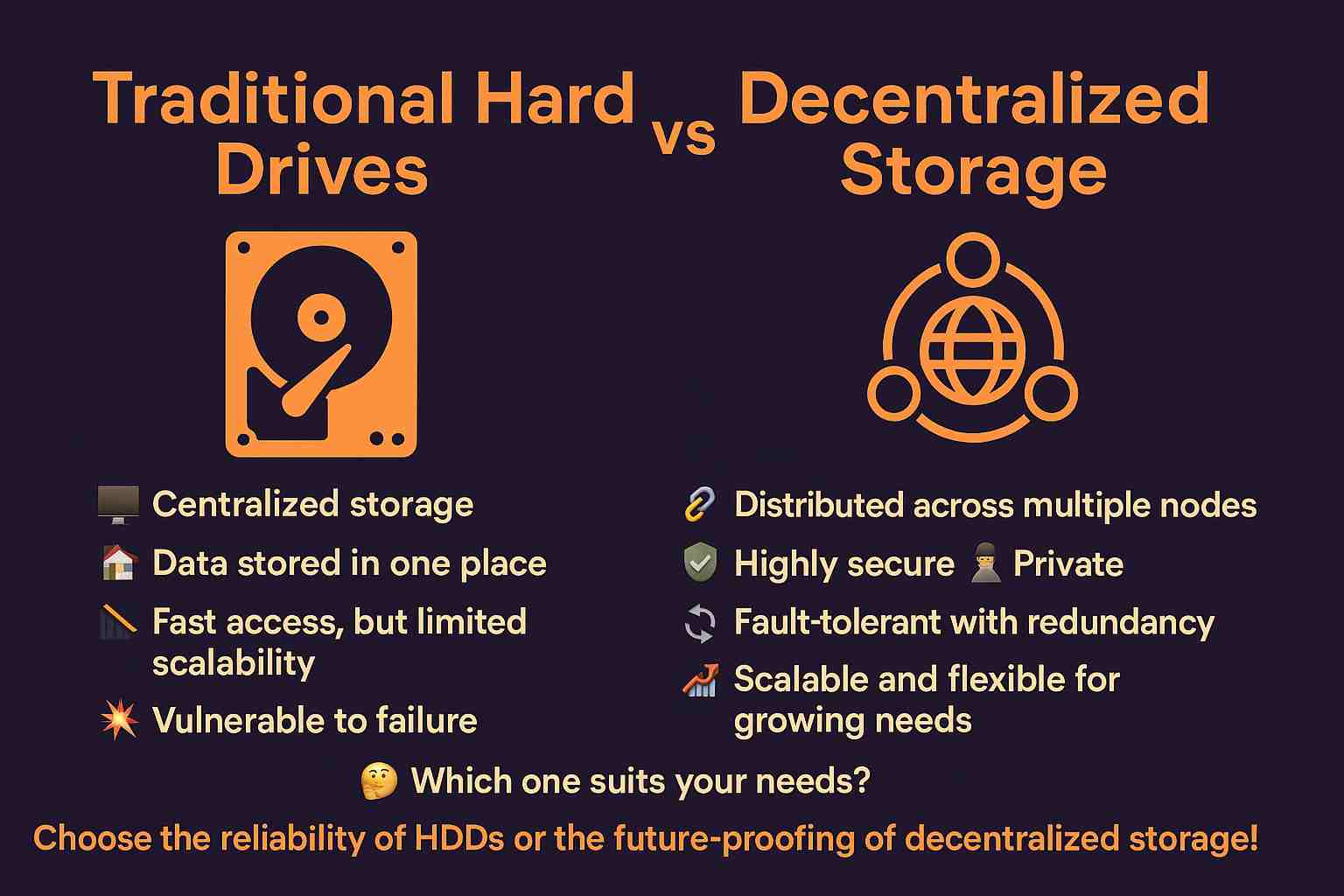
Comparing Decentralized Storage Systems and Traditional Hard Drives: Architecture, Security, and Scalability
Decentralized storage systems and traditional hard drives (HDDs) have significant differences in terms of their architecture, data management, and security. Below is a comprehensive comparison between decentralized storage and conventional hard drives: 1. Centralization vs. Decentralization 2. Data Management 3. Security and Privacy 4. Fault Tolerance and Reliability 5. Cost and Scalability 6. Control…
-
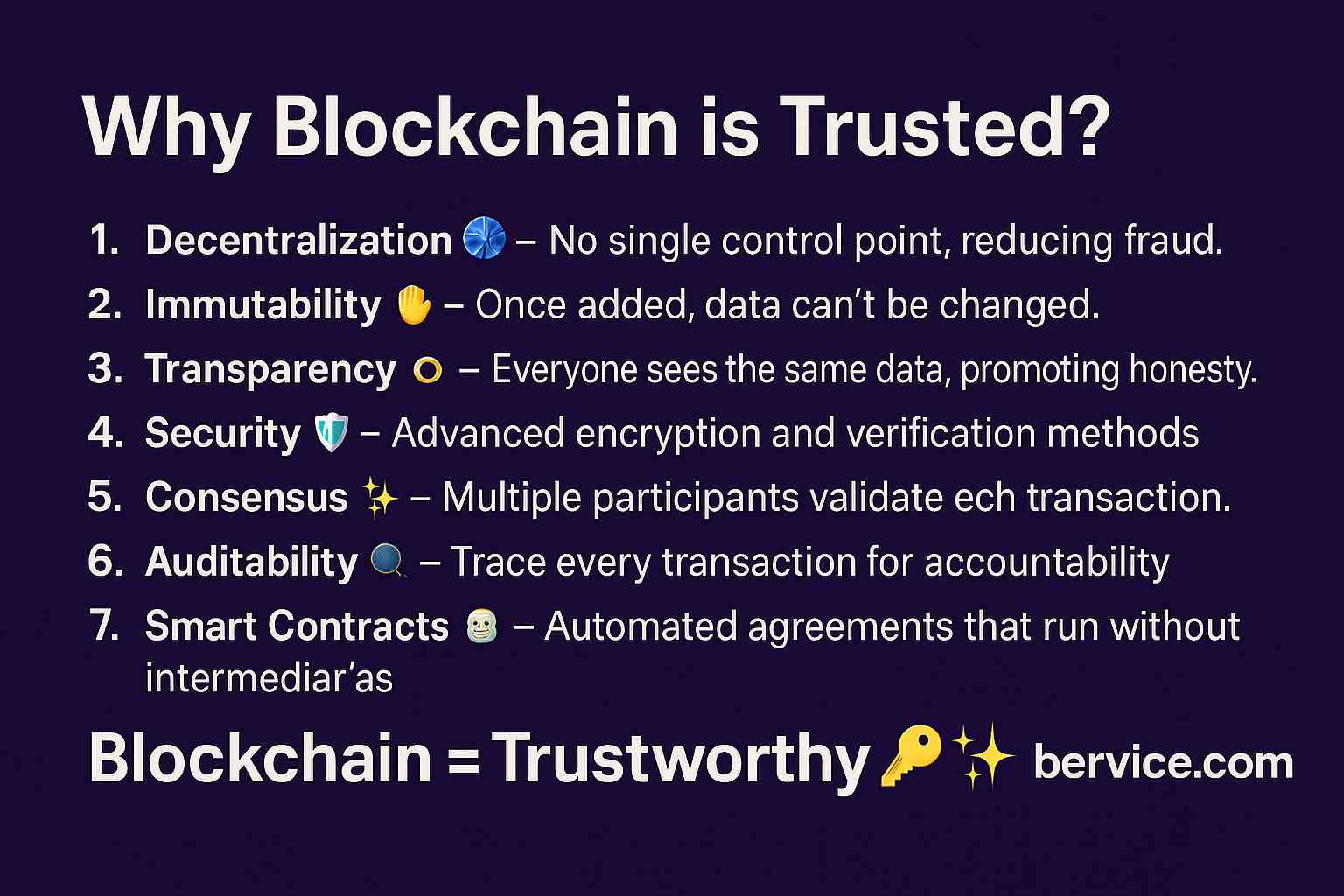
Why Blockchain is Trusted
Blockchain technology has gained significant attention in recent years, particularly in areas such as cryptocurrency, supply chain management, and data security. But what makes blockchain technology so trusted, and why has it garnered widespread adoption across various industries? To answer this question, we need to look at the unique features that define blockchain and…
-
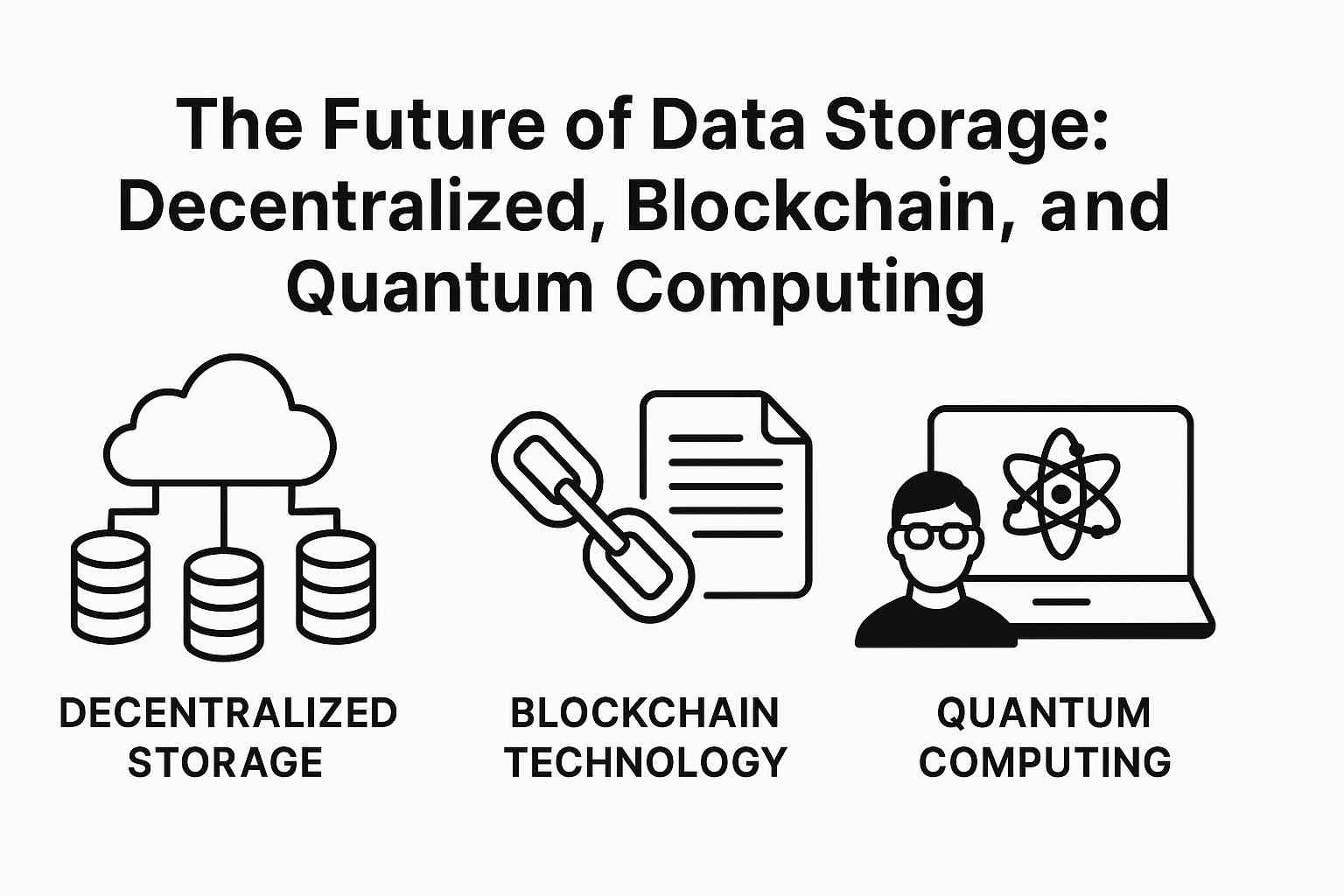
The Future of Storage: Decentralized Spaces, Blockchain, and Quantum Computers
The future of data storage is evolving rapidly, and with advancements in decentralized technologies, blockchain, and quantum computing, the next generation of storage systems promises to revolutionize how data is stored, secured, and processed. As we continue to generate massive amounts of data, the need for more efficient, secure, and scalable storage solutions becomes…
-
The Future of Data and Storage with Post-Quantum Cryptography, Blockchain, and Decentralized Storage Systems
In an increasingly digital world, data security and storage are paramount. As we continue to rely on data for everything from business operations to personal lives, ensuring that this information remains private, secure, and accessible is crucial. With the advent of quantum computing, traditional encryption methods, such as RSA and ECC (Elliptic Curve Cryptography),…
-
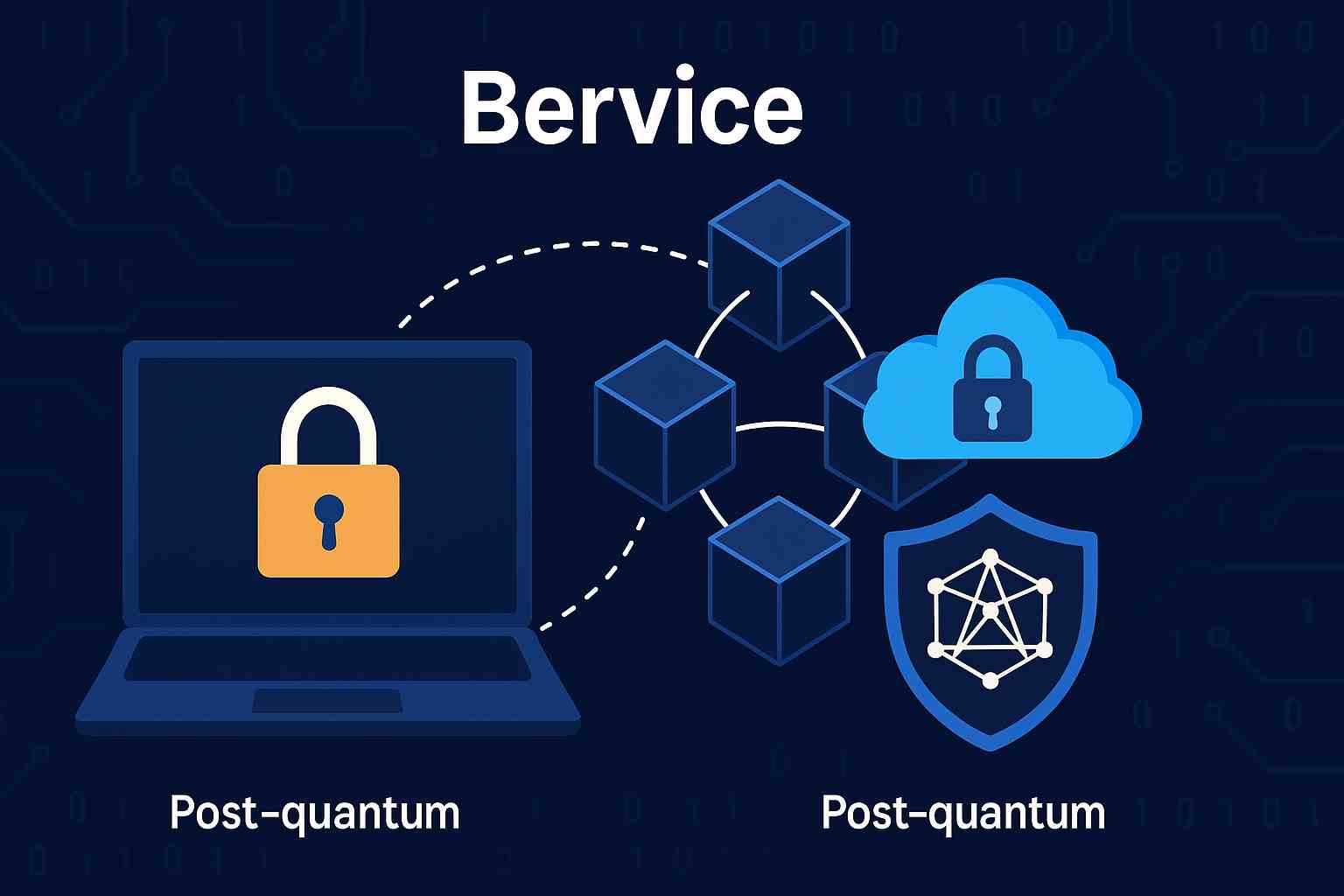
Secure Information Transfer Using Blockchain, Decentralized Storage Systems, and Post-Quantum Cryptography
In today’s rapidly evolving technological landscape, secure information transfer is more critical than ever. Traditional methods of data transfer are susceptible to various security threats, including hacking, data breaches, and unauthorized access. To address these concerns, emerging technologies like blockchain, decentralized storage systems, and post-quantum cryptography offer promising solutions that enhance the security and…