-
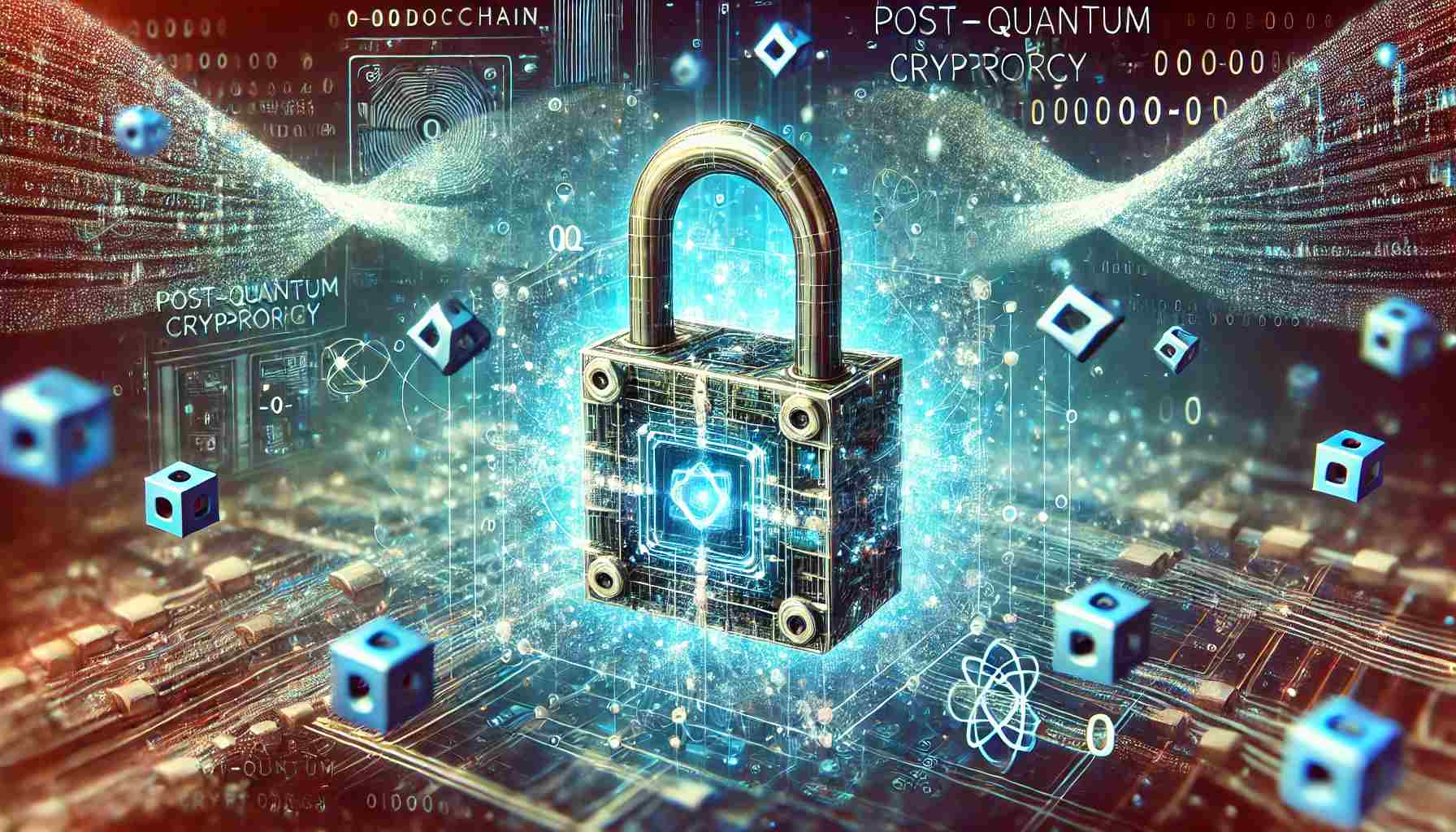
Post-Quantum Cryptography and Blockchain Technologies: The Future of Personal and Organizational Information Security
Introduction In recent years, the rapid advancements in quantum computing have raised concerns about the security of traditional cryptographic systems. Many of the encryption algorithms that form the backbone of current security frameworks are based on mathematical problems that are difficult to solve using classical computing. However, quantum computers, with their powerful capabilities, have…
-
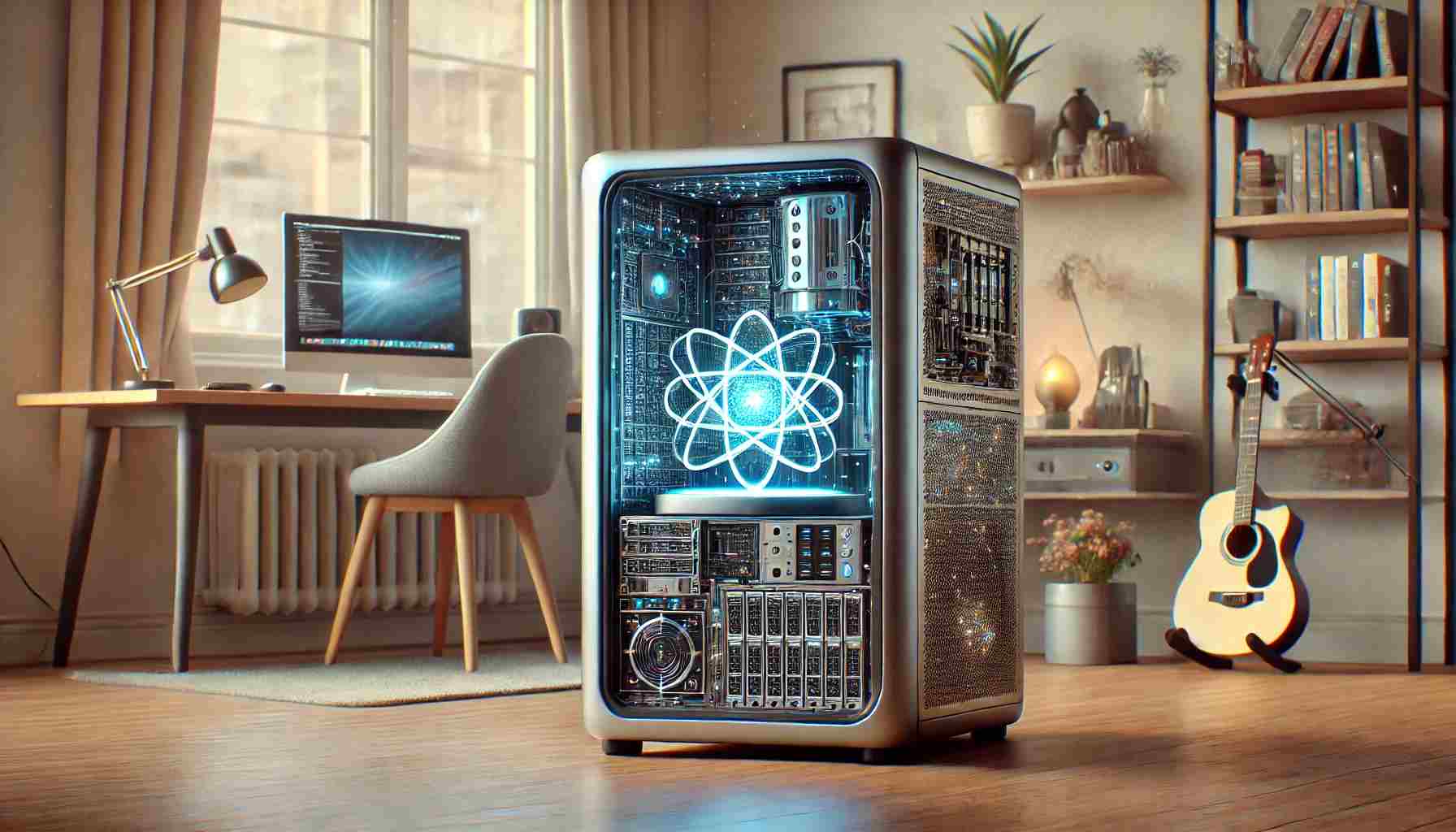
Quantum Computers for Homes: From Theory to Reality
As we step further into the future of computing, one of the most exciting areas of development is quantum computing. Initially considered a distant possibility, quantum computers are now beginning to take shape, and there is growing speculation about their role in our everyday lives. One intriguing question is: Will quantum computers eventually become…
-
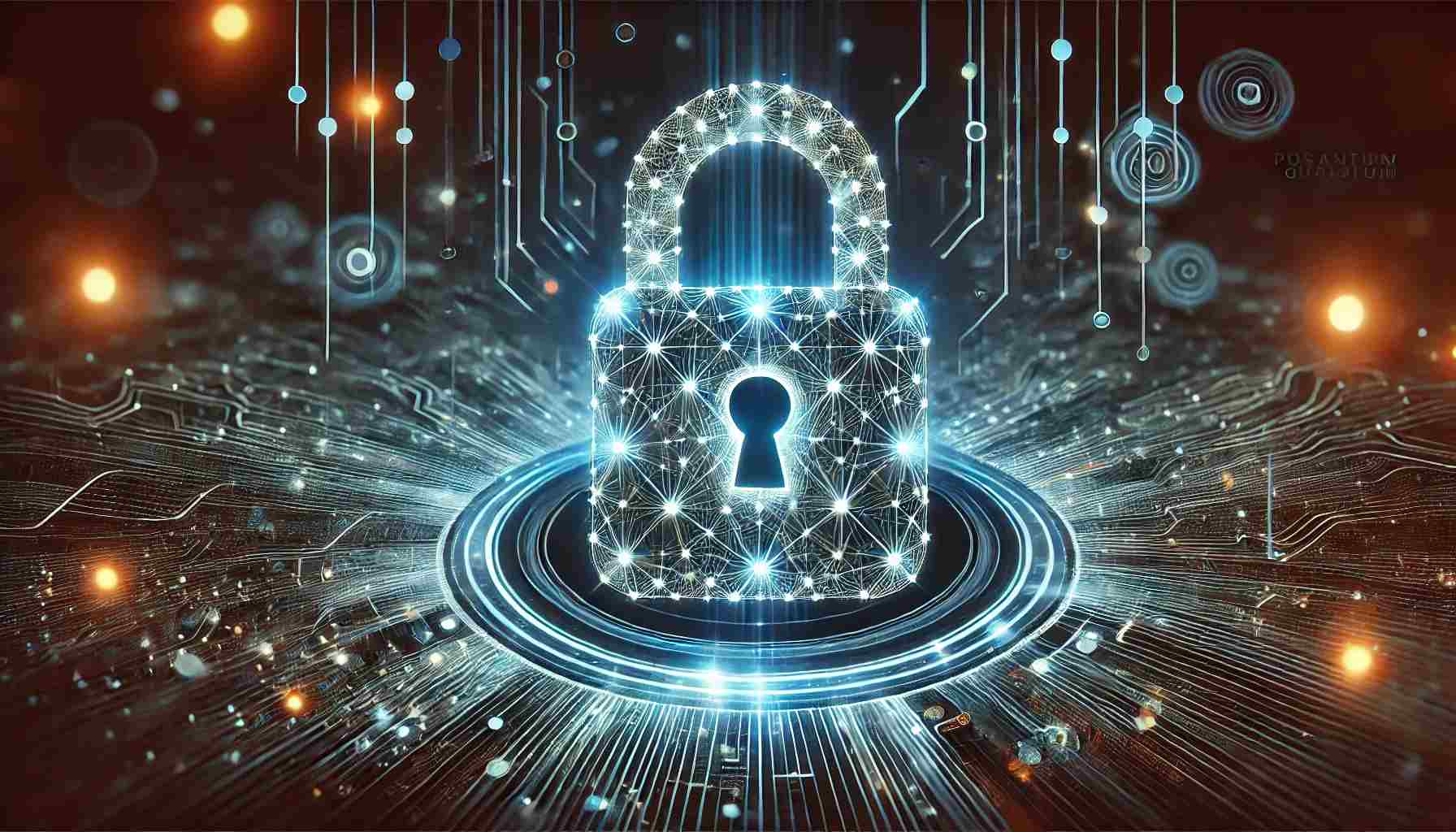
Post-Quantum Cryptography: Securing the Future of Digital Encryption
Post-Quantum Cryptography (PQC) refers to cryptographic algorithms that are designed to secure data against the potential threats posed by quantum computers. Quantum computers, due to their immense computational power, could eventually break widely-used cryptographic systems that are currently considered secure, such as RSA and ECC (Elliptic Curve Cryptography). These algorithms rely on the difficulty…
-
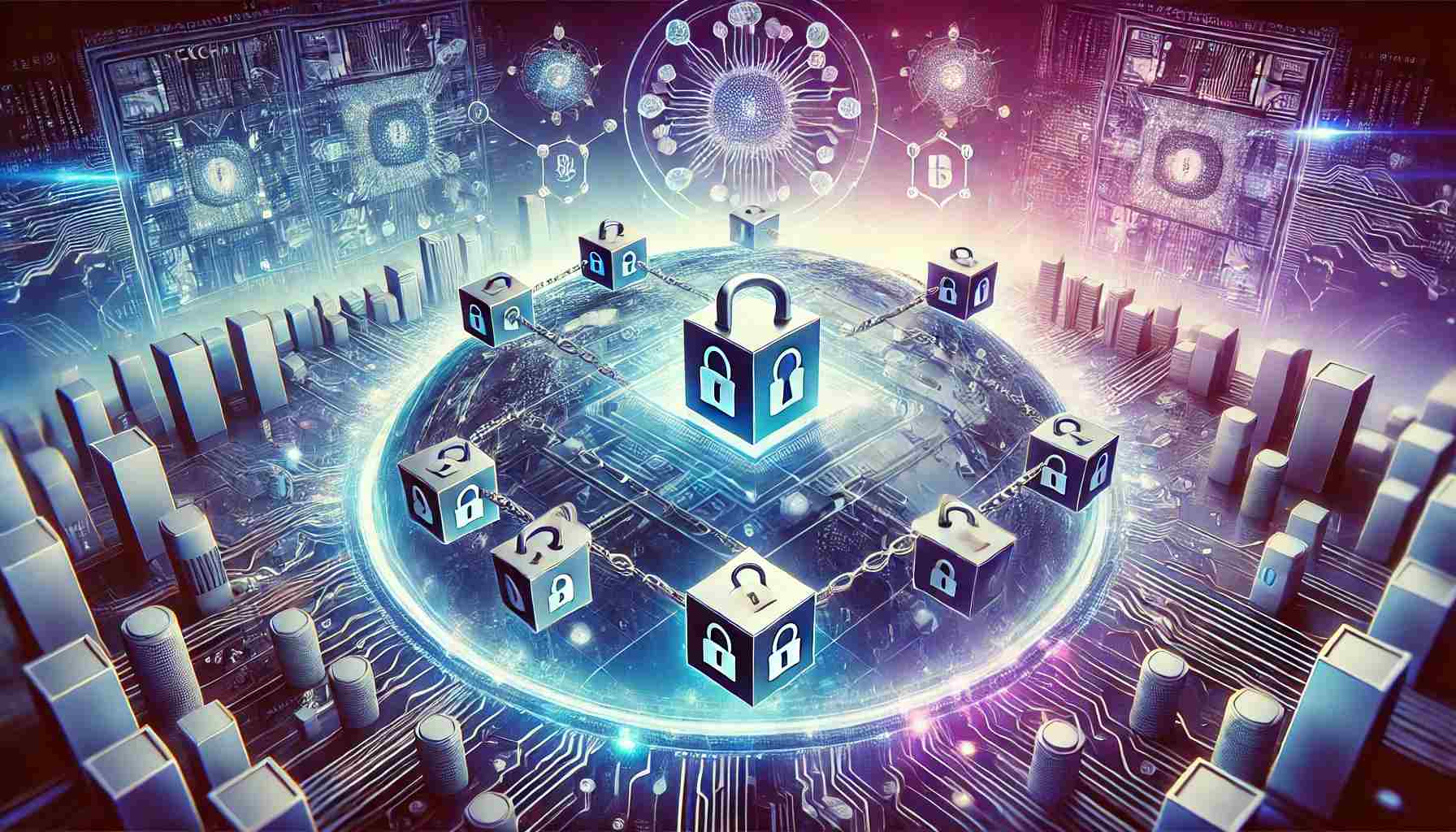
How Blockchain and Quantum Computers Can Enhance Information Security
In the ever-evolving digital world, data security is a crucial concern for individuals, organizations, and governments. Traditional methods of securing information, such as encryption, are becoming vulnerable due to the rapid advancements in computing technologies. Among the most significant innovations poised to revolutionize information security are blockchain technology and quantum computing. These two technologies,…
-
Understanding Blockchain: A Simple Explanation
Blockchain technology is often discussed in the context of cryptocurrencies like Bitcoin, but its uses extend far beyond that. Let’s break down what blockchain is and how it works, step by step, in a simple way. What is Blockchain? At its core, blockchain is a digital ledger or record-keeping system that is decentralized. This…