-

Blockchain, Privacy, and Artificial Intelligence: Building Trust Without Sacrificing Anonymity
Introduction Artificial Intelligence is transforming the way people communicate, work, and make decisions. At the same time, blockchain technology is redefining digital trust by enabling transparent, decentralized, and tamper resistant systems. Yet one important challenge remains unresolved: How can AI interact with users while preserving their privacy and anonymity? Today, most AI systems rely…
-
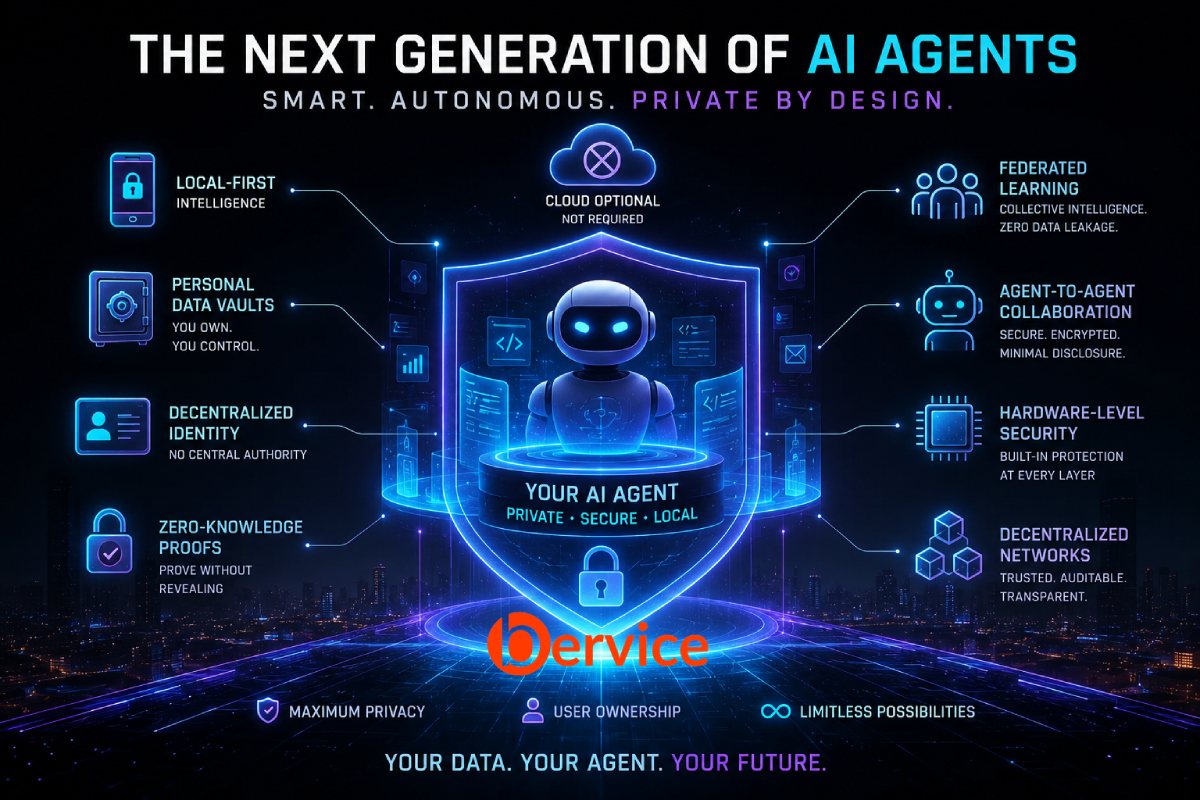
The Next Generation of AI Agents: Building a Future Where Privacy Comes First
Introduction Artificial Intelligence agents are rapidly evolving from simple assistants into autonomous digital entities capable of performing complex tasks on behalf of users. Today’s agents can schedule meetings, manage emails, conduct research, analyze data, and interact with various online services. However, as their capabilities grow, so do concerns about privacy, surveillance, data ownership, and…
-
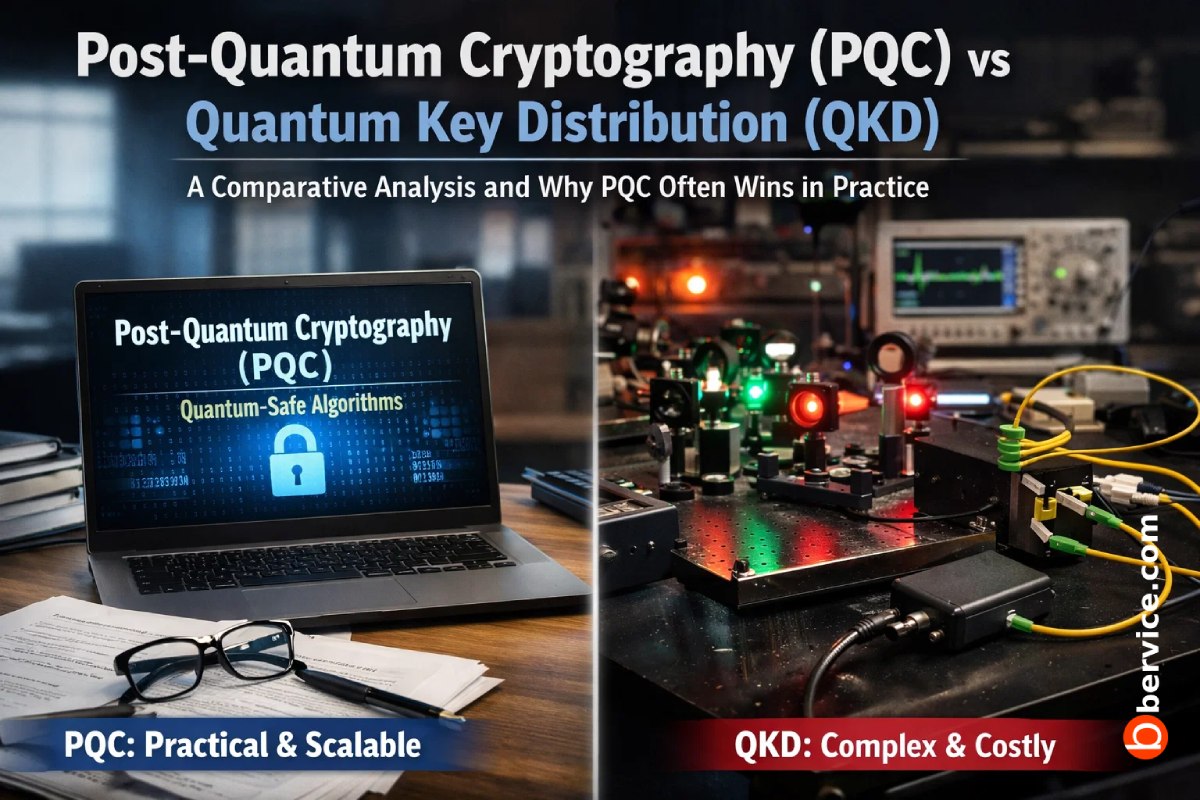
Post-Quantum Cryptography (PQC) vs Quantum Key Distribution (QKD) A Comparative Analysis and Why PQC Often Wins in Practice
1. Introduction: The Quantum Threat to Modern Cryptography Modern digital security relies heavily on cryptographic systems such as RSA and ECC. These systems are considered secure today but are fundamentally vulnerable to future quantum computers due to algorithms like Shor’s algorithm, which can efficiently break them. To address this existential threat, two primary paradigms…
-
The Power of Hashing in One-Way Security and Irreversible Storage
In modern digital systems, hashing is one of the most fundamental building blocks of security. It is not encryption, it is not obfuscation, and it is not reversible. Hashing exists for a single purpose: to represent data in a way that cannot be transformed back into its original form. This one way property is…
-
Physics vs Code: Why Google’s “Quantum Money” Challenges the Blockchain Paradigm
For the past decade, trust on the internet has been built on code. Cryptocurrencies, blockchains, and zero-knowledge proofs all rely on the hardness of certain mathematical problems. If you can’t solve them, you can’t cheat. But this foundation has a weakness: it assumes computing power grows slowly and predictably. Quantum computing breaks that assumption.…