-

Intelligent Traffic Distribution with Layer 7 Load Balancers
Introduction: Load Balancing Is Not Just Distribution In modern cloud-native architectures, handling traffic is no longer about simply spreading requests evenly across servers. It is about understanding requests, predicting behavior, and making context-aware routing decisions. This is where Layer 7 (Application Layer) Load Balancers fundamentally change the game. Unlike lower-layer balancers, Layer 7 load…
-

The Power of Serverless Architecture in Eliminating Infrastructure Complexity
In traditional application development, a significant portion of time and resources is spent managing infrastructure: provisioning servers, configuring environments, handling scaling, and maintaining availability. Serverless architecture fundamentally challenges this model by abstracting infrastructure management away from developers, allowing them to focus exclusively on writing business logic. Serverless does not mean “no servers.” It means…
-
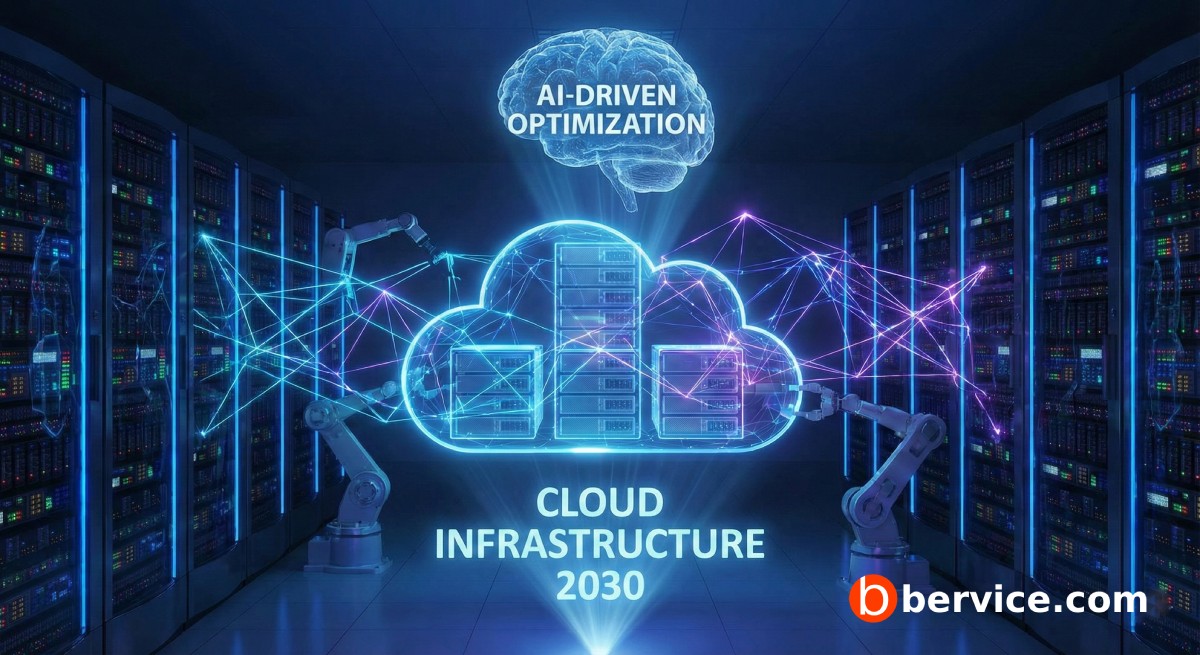
AI-Driven Optimization in Cloud Systems: How Intelligent Automation Is Reshaping Modern Infrastructure
Cloud computing has become the backbone of modern digital services, but its growing scale has introduced a level of complexity that traditional manual management simply cannot handle. As applications scale globally and workloads become increasingly unpredictable, organizations are turning to artificial intelligence (AI) as the new control layer for cloud optimization. AI is not…
-

Threads That Think They Are Independent But They Never Truly Are
In concurrent programming, every thread behaves as if it owns its timeline. It “believes” it runs independently, executes its logic, and progresses based on its internal state. But this sense of autonomy is an illusion. Beneath the surface, a far more powerful entity dictates the true order of reality: the scheduler. The Illusion of…
-

The Growth of Data Production and the Importance of Data Storage in Recent Years
In recent years, the rate at which data is being produced globally has skyrocketed, driven by advancements in technology, the proliferation of digital devices, and the ever-growing need for businesses and individuals to store, analyze, and use information. This article explores the rapid growth of data generation, the key factors contributing to it, and…