-

Ghost Code Processes That No Longer Exist Yet Still Run
Introduction In operating systems, death is not always final. A process may terminate its execution, release most of its resources, and yet continue to “exist” in a suspended, ghost-like state. These so-called zombie processes are not active in the traditional sense they do not consume CPU cycles or execute instructions but they remain recorded…
-
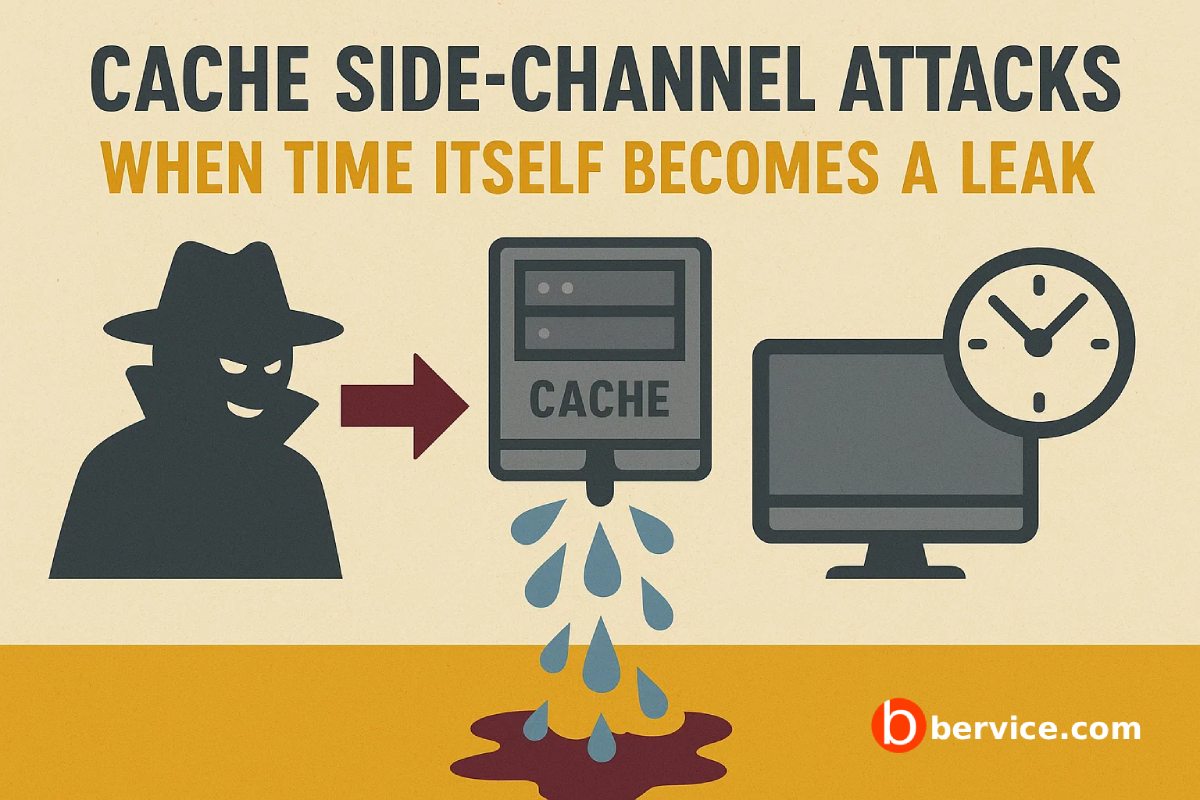
Cache Side-Channel Attacks: When Time Itself Becomes a Leak
Modern computing systems rely on multilayered memory hierarchies designed for speed, not secrecy. CPU caches — L1, L2, L3 — exist to accelerate access to frequently used data. But that optimization introduces a blind spot: timing differences. Attackers can observe tiny delays in memory access and extract information that should never be accessible. No…
-

Hypervisor-level Exploits: Why VM Isolation Isn’t a Silver Bullet
Virtualization is everywhere: cloud providers, enterprise datacenters, developer laptops, CI runners. It looks safe — each workload sits in its own virtual machine (VM), separated by the hypervisor. That visual separation lulls engineers into false confidence. Here’s the blunt truth: if the hypervisor breaks, your isolation is meaningless. Hypervisor-level exploits (VM escape, hypervisor compromise,…