-
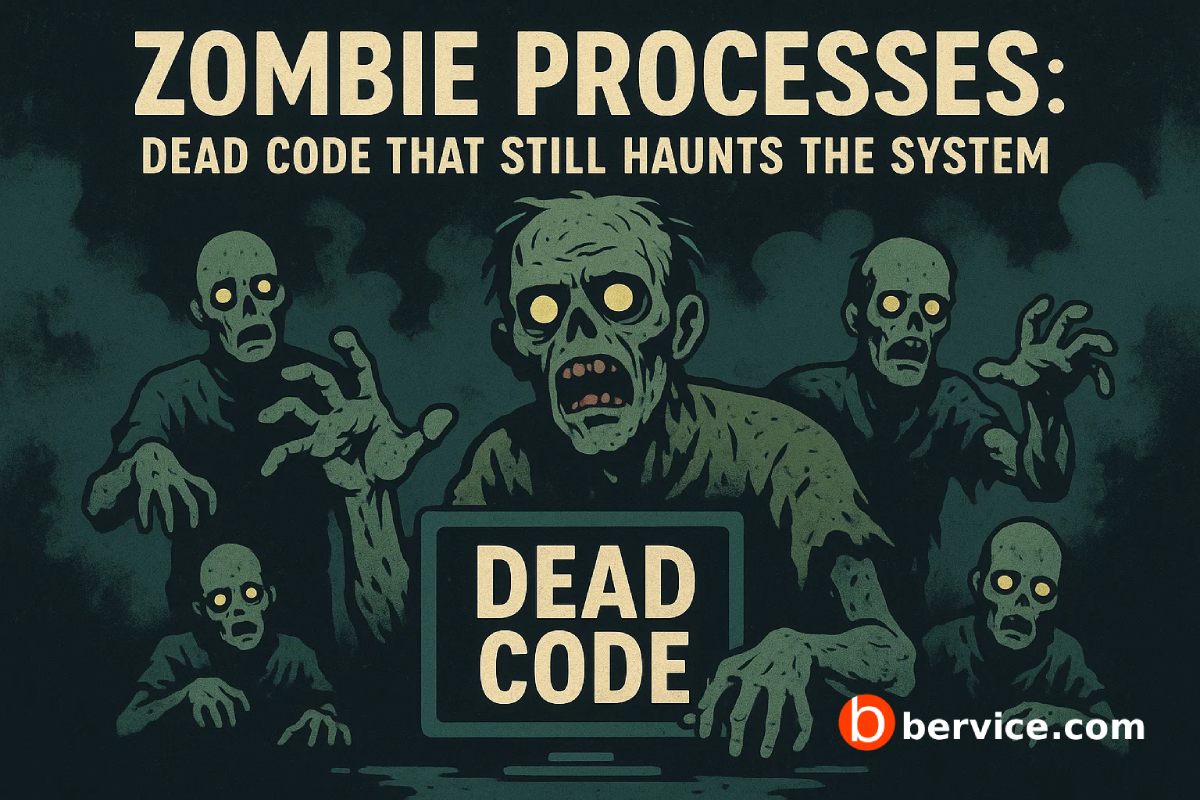
Zombie Processes: Dead Code That Still Haunts the System
In operating systems, not every threat is loud. Some are silent, subtle, and buried deep in the process table. Zombie processes fall exactly into that category: tasks that have already finished execution but refuse to disappear. They’re technically dead, yet still present a residue of poor process management that can grow into a system-wide…
-
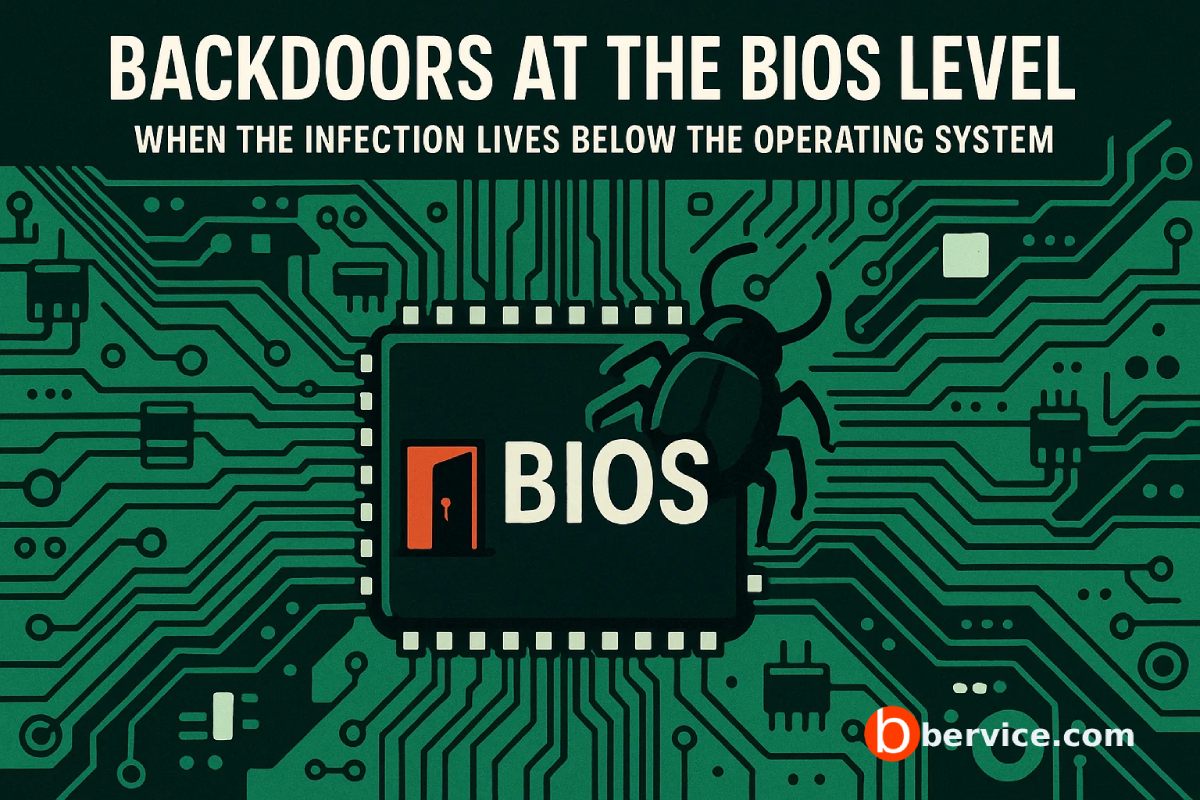
Backdoors at the BIOS Level: When the Infection Lives Below the Operating System
Cyber-attacks usually fight in the world you can see files, processes, drivers. But the most dangerous threats don’t play in that arena. They go underneath everything, burying themselves in the firmware that initializes the machine long before any OS boots. These are BIOS/UEFI-level backdoors, and once they get a foothold, they operate with a…
-
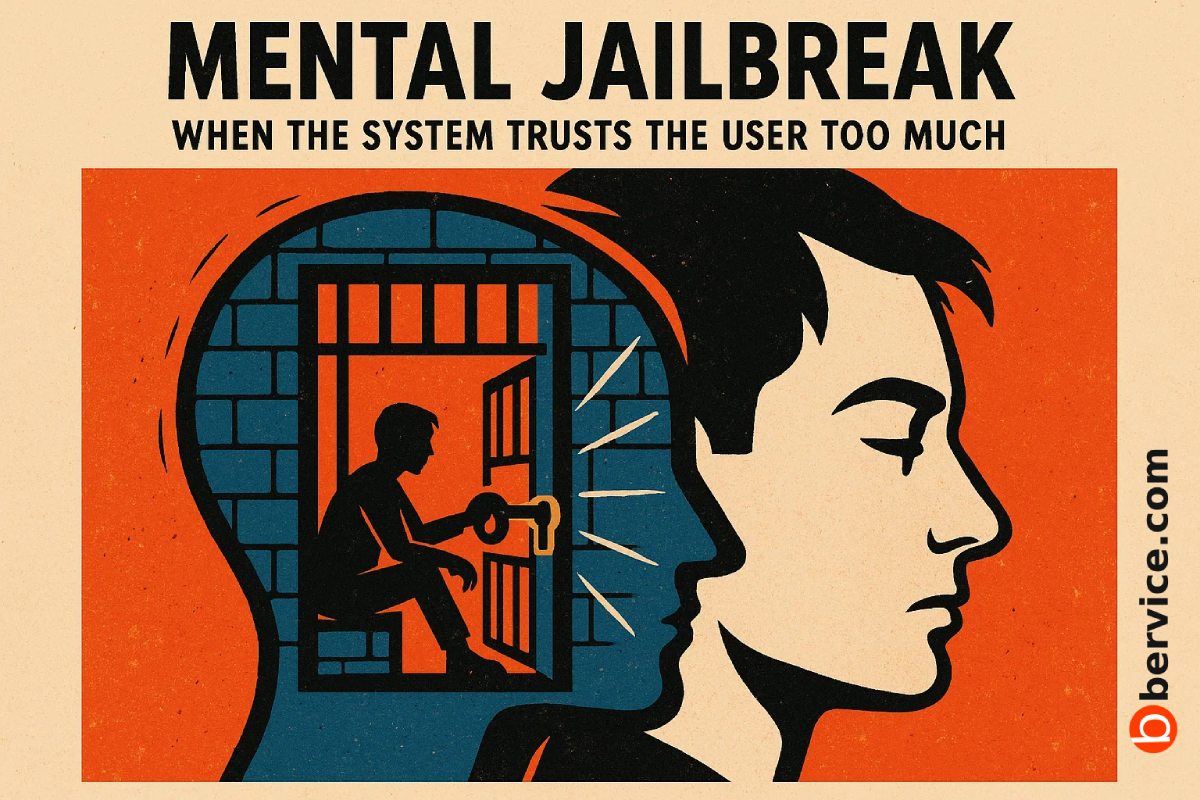
Mental Jailbreak: When the System Trusts the User Too Much
Modern mobile operating systems are designed around one fundamental assumption: the user is both the owner and the greatest threat to the device. This paradox is at the core of every security model in Android and iOS. While vendors invest heavily in sandboxing, mandatory access control, and kernel hardening, a single decision made by…
-
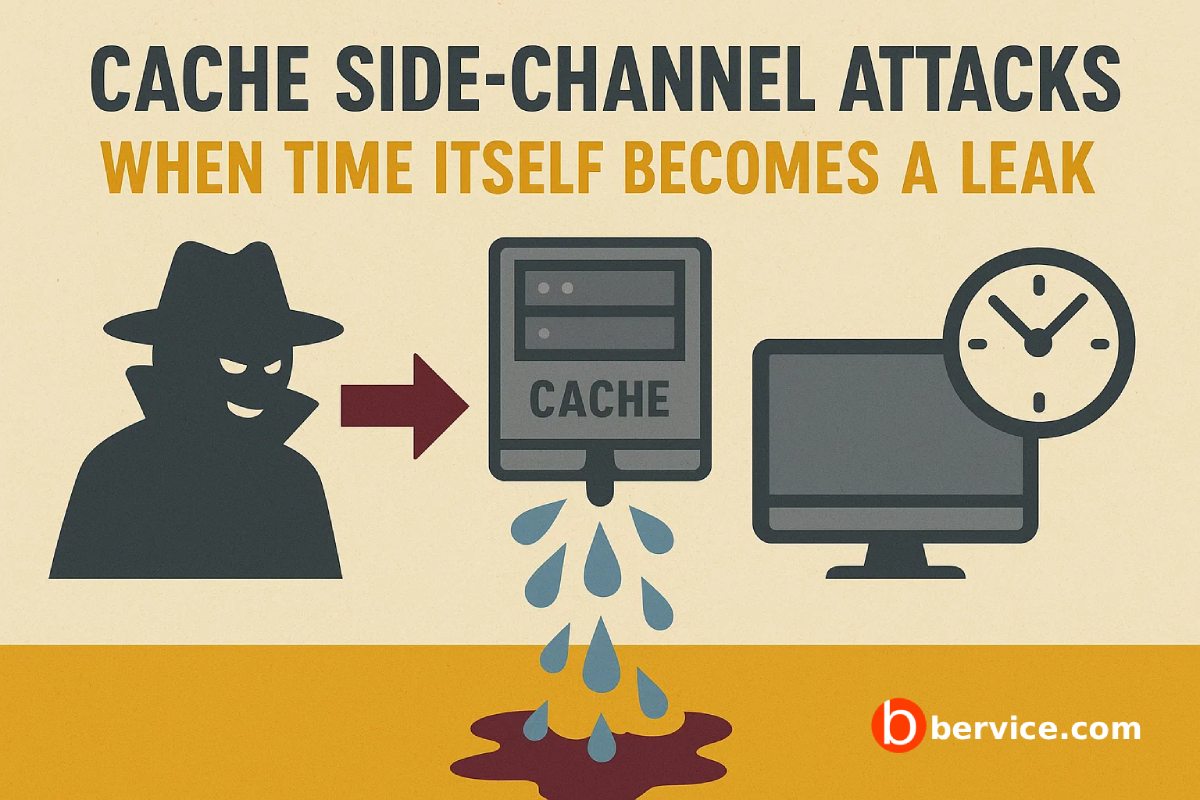
Cache Side-Channel Attacks: When Time Itself Becomes a Leak
Modern computing systems rely on multilayered memory hierarchies designed for speed, not secrecy. CPU caches — L1, L2, L3 — exist to accelerate access to frequently used data. But that optimization introduces a blind spot: timing differences. Attackers can observe tiny delays in memory access and extract information that should never be accessible. No…
-
The Hidden Complexity of Secure Serialization & Deserialization in Modern Distributed Systems
Serialization looks simple on the surface — convert an object into a byte stream, transmit it, and reconstruct it on the other side. But in real distributed systems, serialization is not a neutral plumbing detail; it directly affects system reliability, performance, security, and long-term compatibility. Most production outages involving inter-service communication or data corruption…