-

Neuromorphic Computing When Hardware Thinks Like the Human Brain
Modern computers are fast, precise, and relentless but they are also fundamentally inefficient when compared to the human brain. A brain running on roughly 20 watts can outperform today’s most powerful machines at perception, adaptation, and learning. Neuromorphic computing exists to close this gap not by making computers faster, but by making them think…
-

Cross-Kernel Processing Running Multiple Kernels Simultaneously on a Single System
Introduction Cross-Kernel Processing is not a cosmetic optimization it is a structural break from how operating systems have traditionally been designed. Instead of forcing one monolithic kernel to handle every workload type, Cross-Kernel allows multiple specialized kernels to run simultaneously on the same hardware, each optimized for a distinct responsibility. This approach directly targets…
-
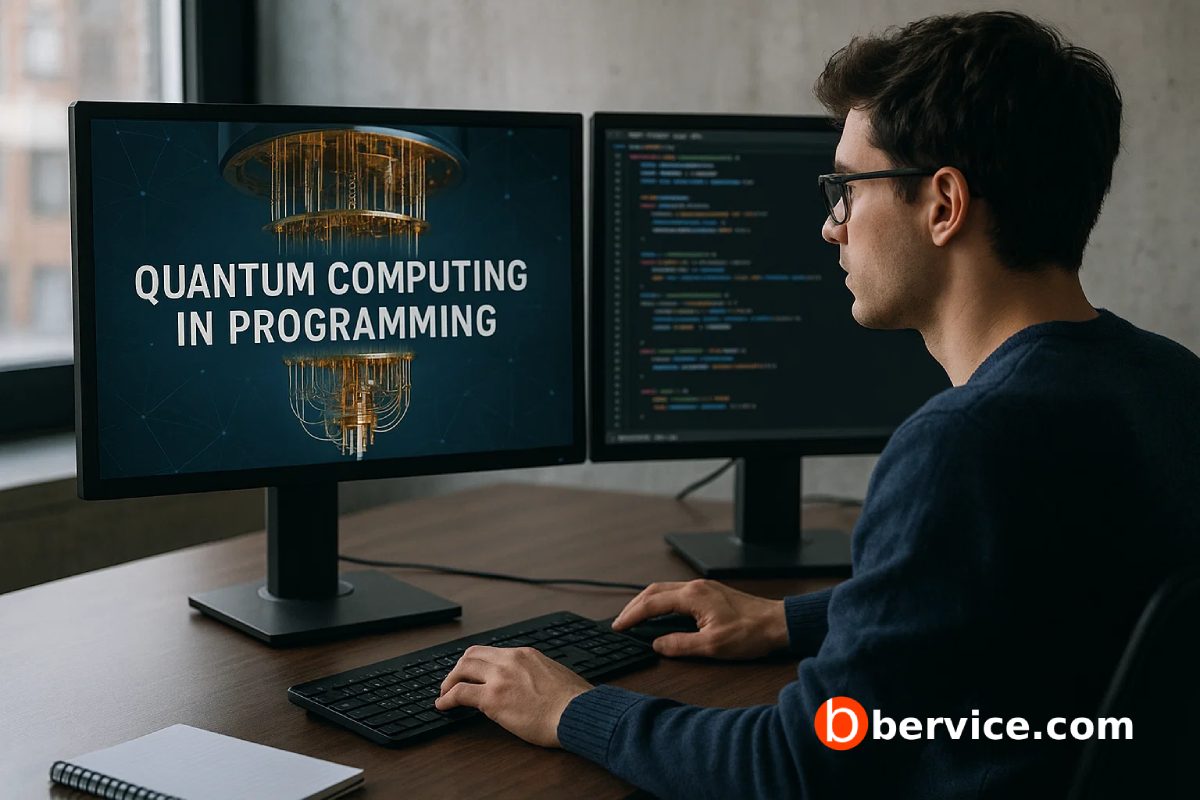
Quantum Computing in Programming: The Shift Toward a New Computational Paradigm
Quantum computing isn’t a “future trend” anymore; it’s a structural shift in how we will write software, design algorithms, and think about computation itself. As quantum hardware slowly crosses the boundary from lab prototypes to early commercial machines, programmers are being pushed toward a new mindset one where uncertainty, superposition, and probabilistic outcomes are…