-

Ghost Code Processes That No Longer Exist Yet Still Run
Introduction In operating systems, death is not always final. A process may terminate its execution, release most of its resources, and yet continue to “exist” in a suspended, ghost-like state. These so-called zombie processes are not active in the traditional sense they do not consume CPU cycles or execute instructions but they remain recorded…
-
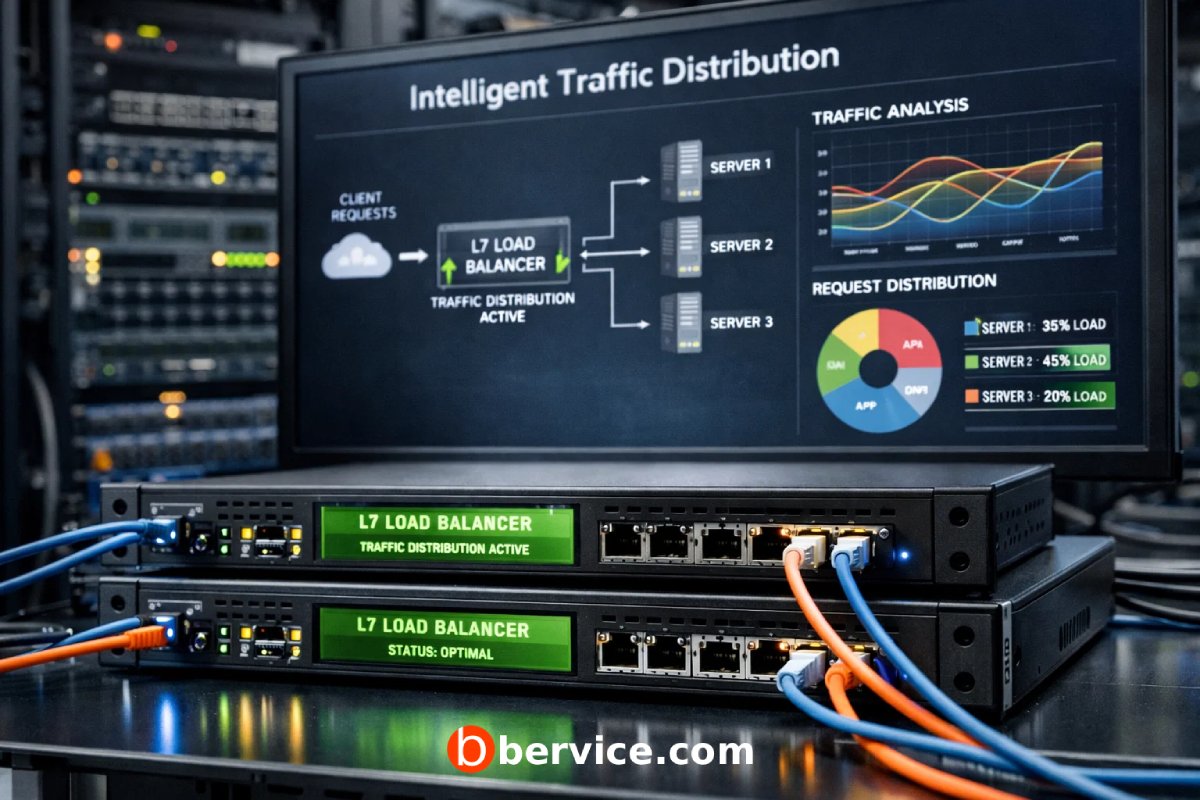
Intelligent Traffic Distribution with Layer 7 Load Balancers
Introduction: Load Balancing Is Not Just Distribution In modern cloud-native architectures, handling traffic is no longer about simply spreading requests evenly across servers. It is about understanding requests, predicting behavior, and making context-aware routing decisions. This is where Layer 7 (Application Layer) Load Balancers fundamentally change the game. Unlike lower-layer balancers, Layer 7 load…
-

Multi-Tenancy as the Engine of Infrastructure Cost Reduction
Modern digital services are built on a simple economic reality: software is cheap to copy, but infrastructure is expensive to run. Every serious SaaS platform in the world survives by optimizing how compute power, storage, and network capacity are consumed across many users. Multi-Tenancy is the architectural answer to that pressure. Instead of deploying…
-

Immutable Infrastructure and the Reduction of Human Error
Human error is not a weakness of individuals it is a predictable outcome of complex systems operated under pressure. In traditional infrastructure models, servers are treated as long-lived assets. They are logged into, patched manually, configured incrementally, and “fixed” in place. Every such action introduces drift. Over time, no two servers are truly identical,…
-

Observability Deep Visibility into System Behavior Beyond Logs
Modern systems don’t fail loudly anymore they fail subtly. Latency creeps up, error rates spike only under specific conditions, or a single downstream dependency slows everything without throwing an obvious error. If your only line of defense is logs, you are already late. Observability is not just another monitoring buzzword. It is a discipline…