-

The Power of Serverless Architecture in Eliminating Infrastructure Complexity
In traditional application development, a significant portion of time and resources is spent managing infrastructure: provisioning servers, configuring environments, handling scaling, and maintaining availability. Serverless architecture fundamentally challenges this model by abstracting infrastructure management away from developers, allowing them to focus exclusively on writing business logic. Serverless does not mean “no servers.” It means…
-

Ghost Instances in Distributed Systems Invisible Resilience or Architectural Illusion?
Introduction Modern distributed systems are built to survive failure, overload, and hostile environments. As architectures become more complex, engineers explore patterns that go beyond traditional autoscaling, redundancy, and observability. One such concept—often discussed in security-critical circles is the idea of Ghost Instances: service replicas that remain dormant or invisible under normal conditions and activate…
-
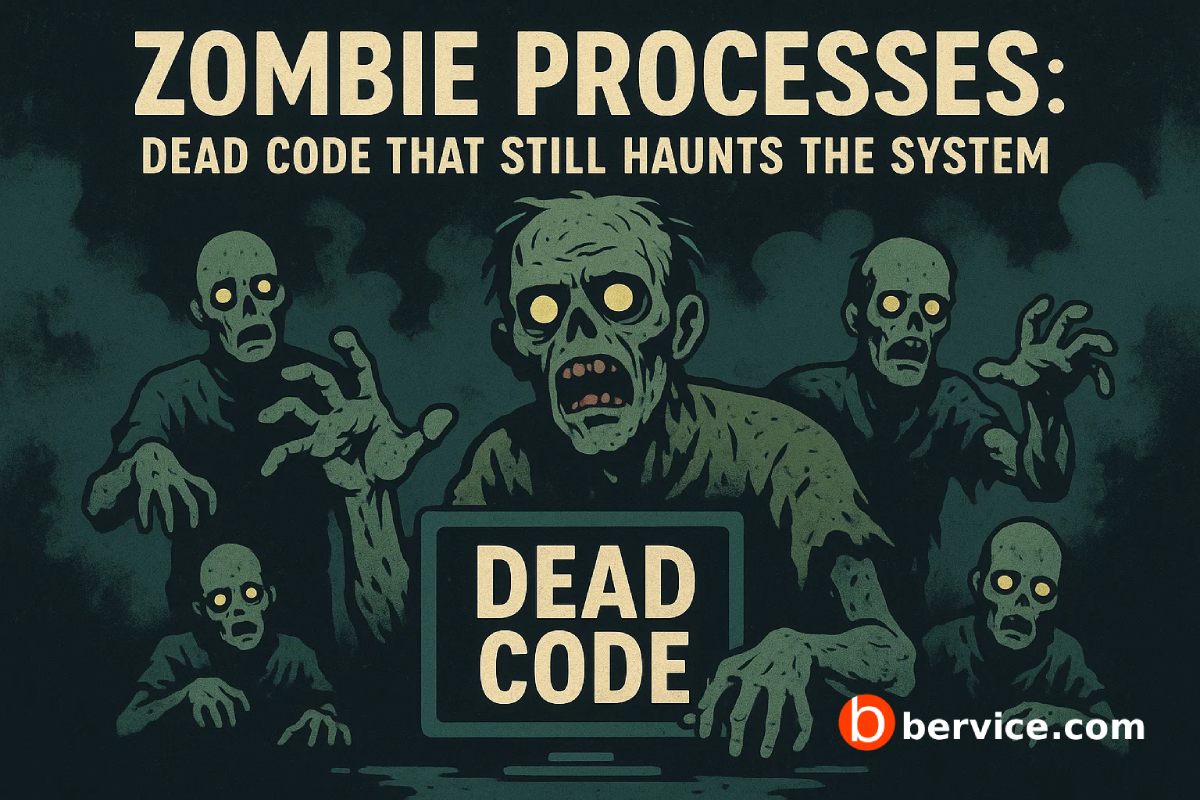
Zombie Processes: Dead Code That Still Haunts the System
In operating systems, not every threat is loud. Some are silent, subtle, and buried deep in the process table. Zombie processes fall exactly into that category: tasks that have already finished execution but refuse to disappear. They’re technically dead, yet still present a residue of poor process management that can grow into a system-wide…
-
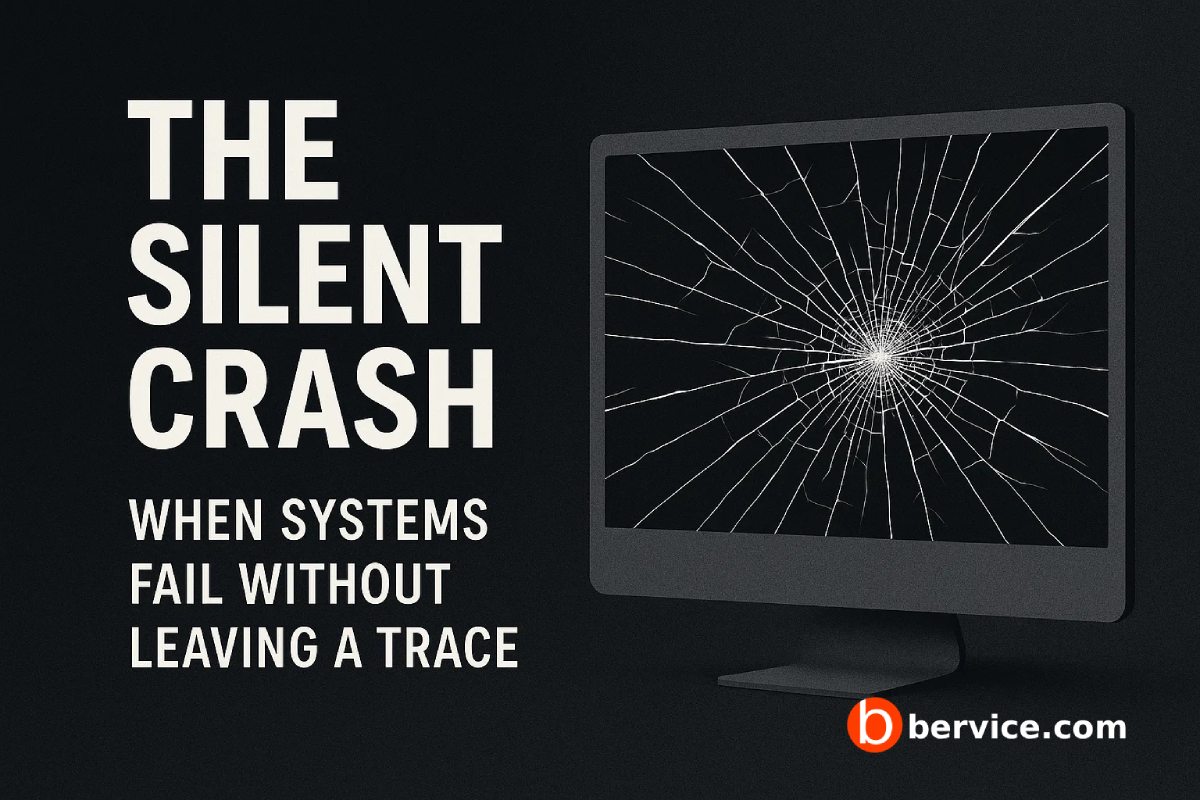
The Silent Crash: When Systems Fail Without Leaving a Trace
In distributed systems, cloud platforms, and high-performance infrastructures, the most dangerous failures are not the ones that fill dashboards with red alerts they are the ones that vanish without a footprint. A silent crash is the nightmare scenario every serious engineer eventually faces: the system collapses, data disappears, and yet no error is logged.…
-

System-Wide Exception Management in Distributed Architectures
Distributed systems don’t fail gracefully they fail loudly and non-linearly. A single unhandled exception in one microservice can trigger a chain reaction that takes down queues, overloads upstream dependencies, and ultimately collapses the entire platform. Effective exception management in this environment is not about catching errors; it’s about designing an architecture that absorbs failures…