-
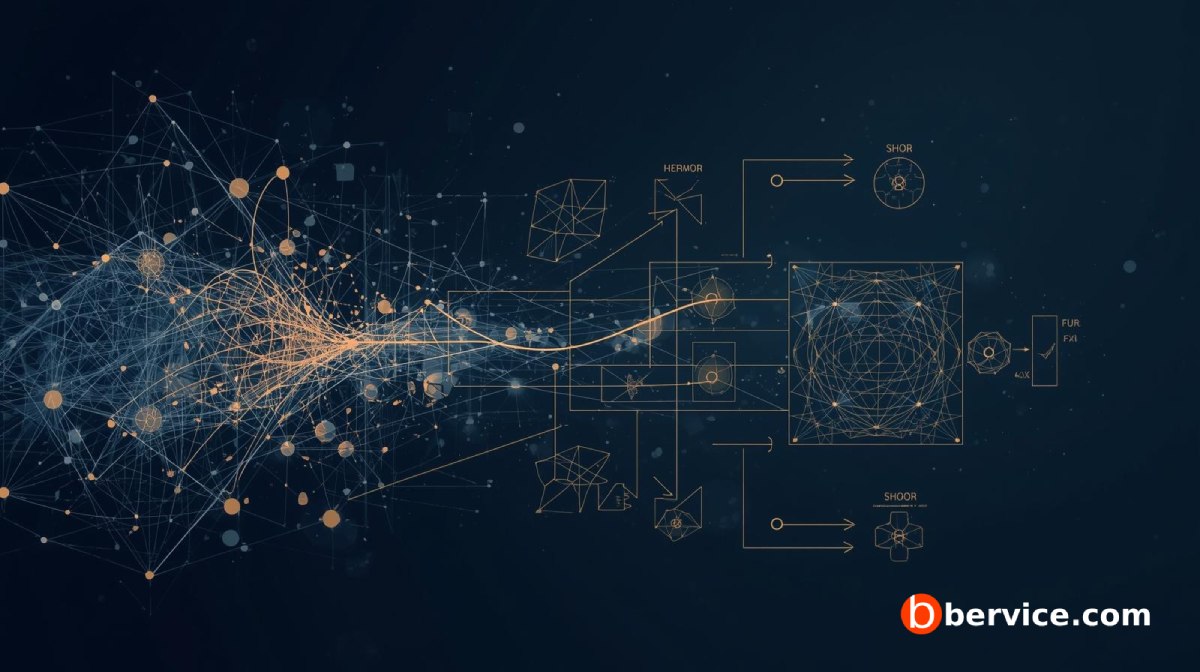
Understanding Shor’s and Grover’s Algorithms in Simple Terms
Power in Quantum Computing Quantum computing often sounds abstract and intimidating, but at its core, it introduces new ways of solving problems that classical computers struggle with. Two of the most famous examples are Shor’s Algorithm and Grover’s Algorithm. These algorithms clearly demonstrate why quantum computers are considered disruptive, especially for security, data search,…
-
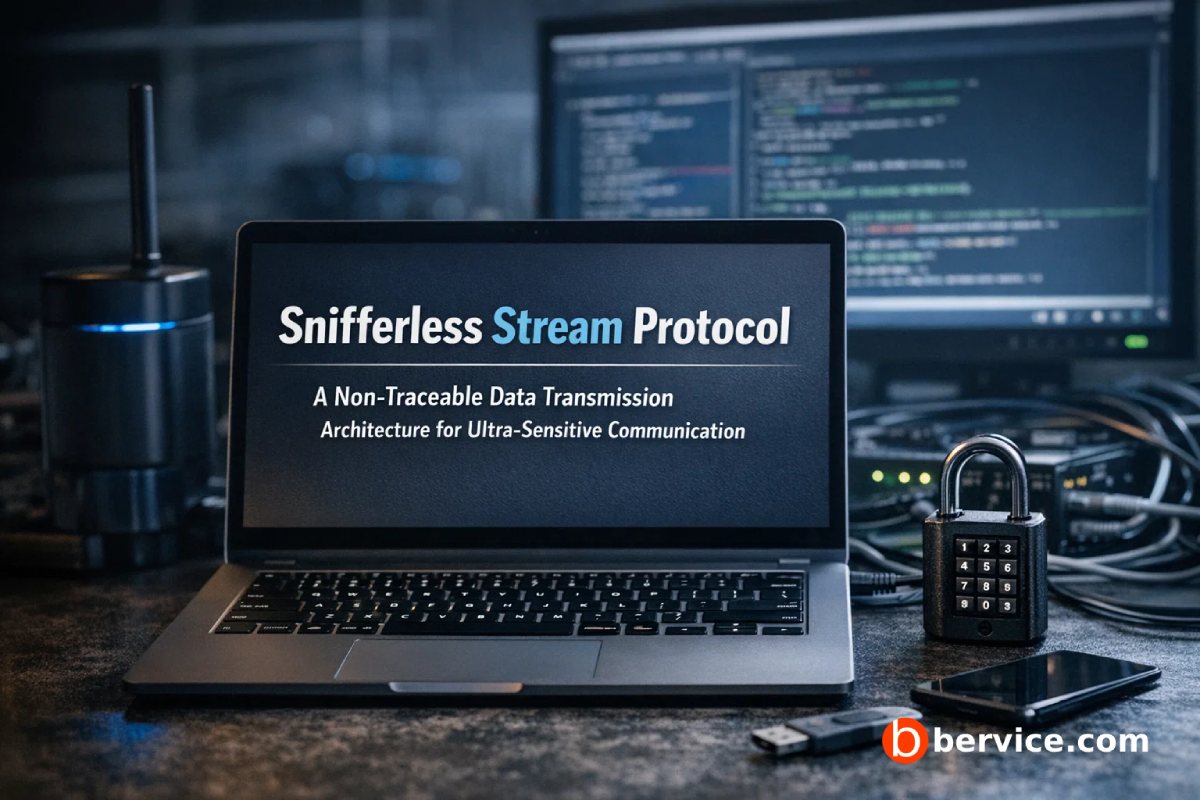
Snifferless Stream Protocol A Non-Traceable Data Transmission Architecture for Ultra-Sensitive Communication
In a world where deep packet inspection (DPI), traffic fingerprinting, and behavioral analytics continuously evolve, traditional encryption is no longer sufficient to guarantee operational secrecy. Encryption protects content but it does not necessarily conceal metadata, structure, or transmission patterns. The Snifferless Stream Protocol introduces a different paradigm: not merely encrypting data, but eliminating recognizable…
-
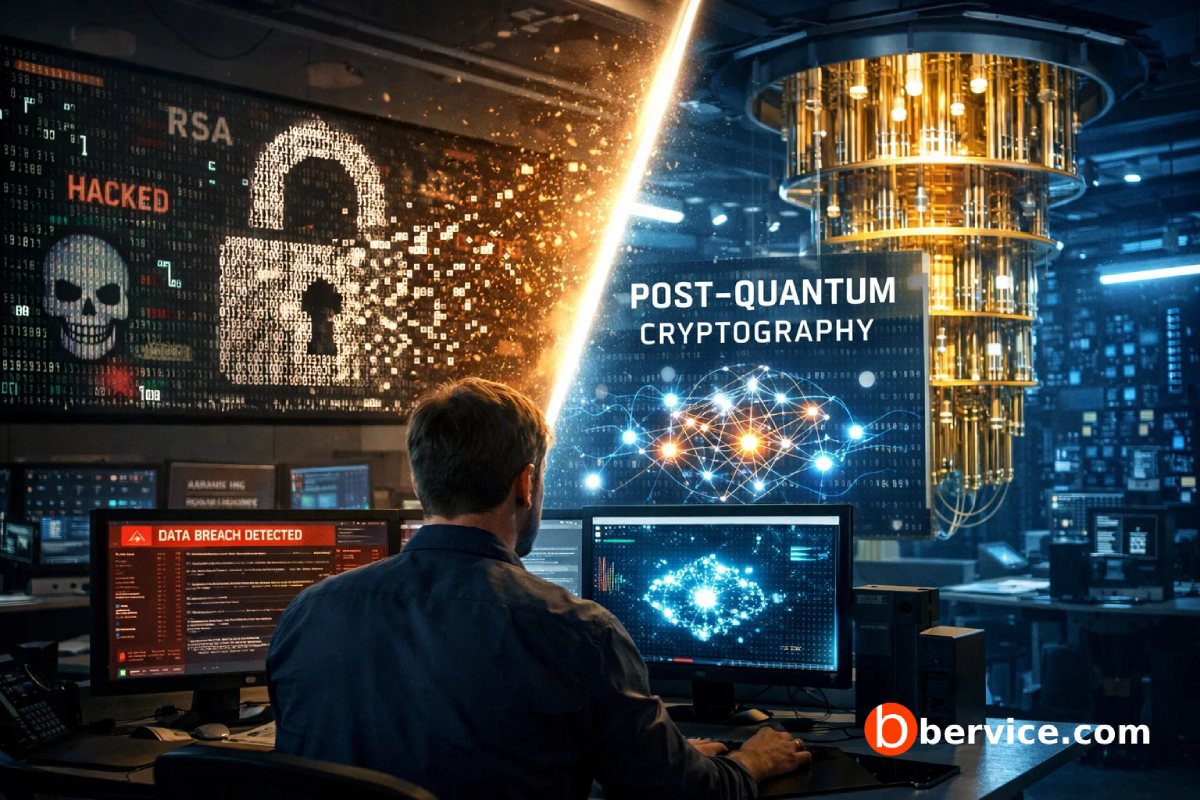
A Major Transformation in Cybersecurity Post Quantum Cryptography
Introduction The rapid advancement of quantum computing is reshaping the landscape of cybersecurity. While large-scale, fault-tolerant quantum computers are not yet widely available, their eventual emergence poses a serious threat to many of today’s cryptographic systems. Algorithms such as RSA, ECC, and Diffie–Hellman, which underpin global digital security, are vulnerable to quantum attacks most…
-
IPSec The Hidden Security Layer of the Internet
Before IPSec, the internet operated like an open street with no surveillance every packet was visible, traceable, and easy to manipulate. Data moved fast, but it moved naked. Anyone sitting in the right place on the network path could observe, replay, or tamper with traffic. IPSec was created to fix this fundamental flaw at…
-
Post-Quantum Cryptography: What It Is and How It Protects Us from Quantum Attacks
Introduction The digital world depends on cryptography that was designed for classical computers. Protocols like RSA, Diffie–Hellman, and elliptic-curve cryptography (ECC) secure everything payments, messaging, software updates, VPNs, authentication.But here’s the uncomfortable truth: a sufficiently powerful quantum computer can break all of them using Shor’s algorithm. This is exactly why post-quantum cryptography exists. PQC…