-
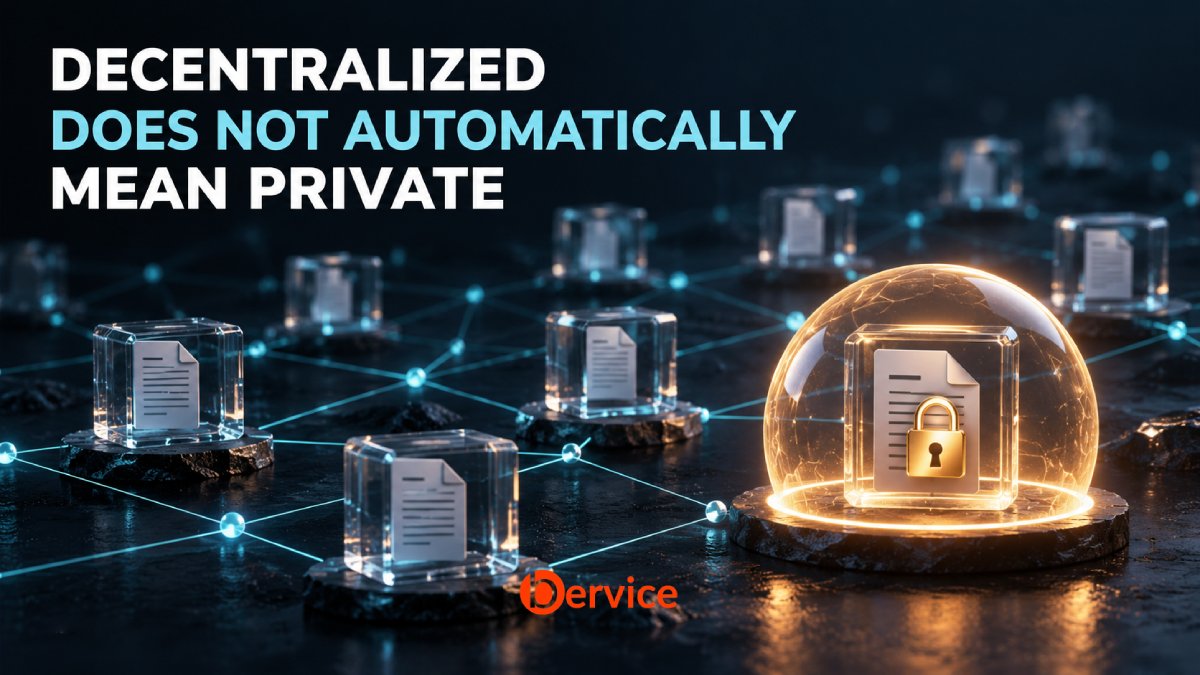
Decentralized Does Not Automatically Mean Private
Distributing data changes where it lives. Protecting privacy requires deliberate decisions about who can read it, what others can observe, and how access is controlled. A company uploads a confidential contract to a decentralized storage network. The file is distributed across independent infrastructure. It no longer depends entirely on one server or one storage…
-
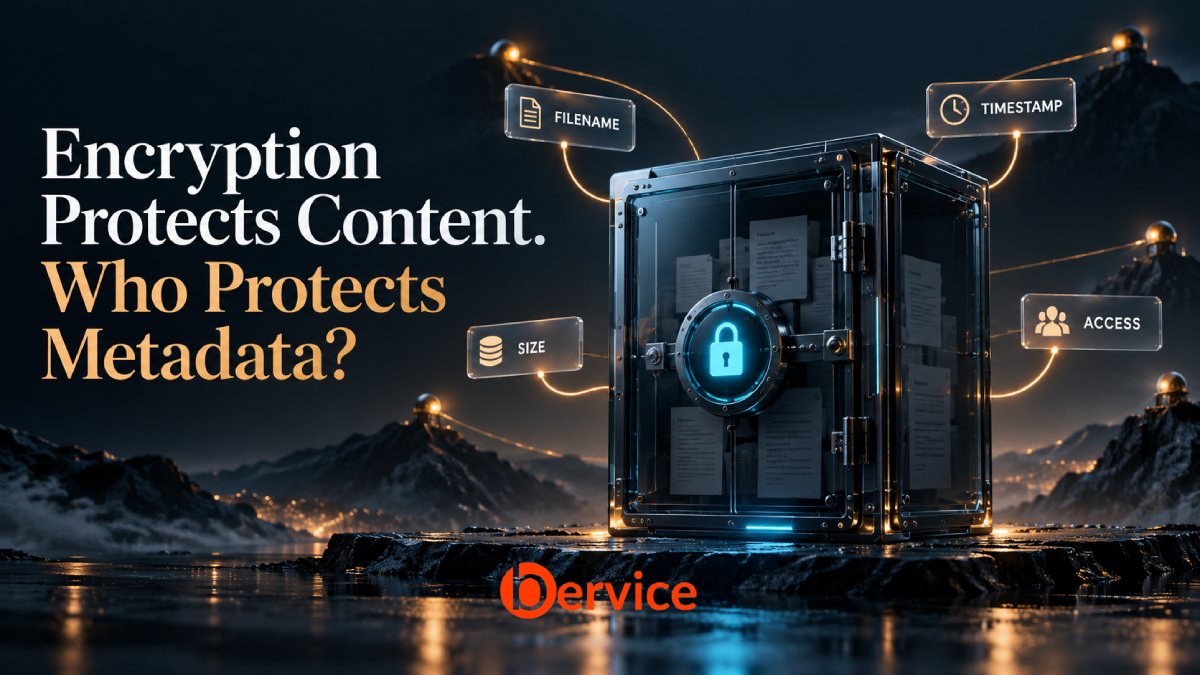
Encryption Protects Content. Who Protects Metadata?
An encrypted file can hide its contents while still revealing clues about your work, relationships, and decisions. Privacy depends on what surrounds the file as well as what is inside it. Imagine a company preparing for a confidential acquisition. Its financial documents are encrypted. Access is restricted. The decryption keys remain with authorized users.…
-
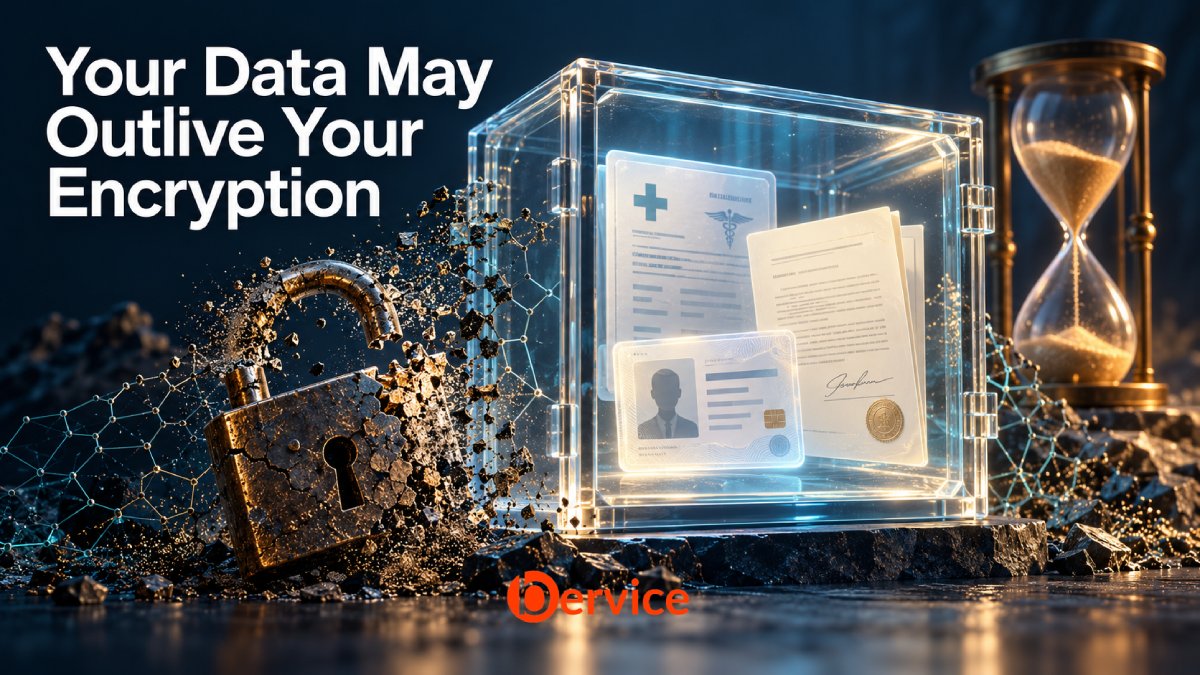
Your Data May Outlive Your Encryption
Medical records, contracts, and identity documents can remain sensitive for decades. Their protection needs to account for that entire lifetime. A password can be changed. A medical history cannot. A contract may expire while its confidential terms remain commercially valuable. An identity document may become invalid while the personal details it contains remain useful…
-

The Post-Quantum Web Is Arriving. What About Your Stored Files?
The internet is beginning to protect connections against future quantum attacks. But the files we keep for years introduce a different security challenge. Imagine a business upgrading its website to support post-quantum cryptography. Customer connections become better protected against a future generation of quantum computers. The company announces the improvement, and its security team…
-
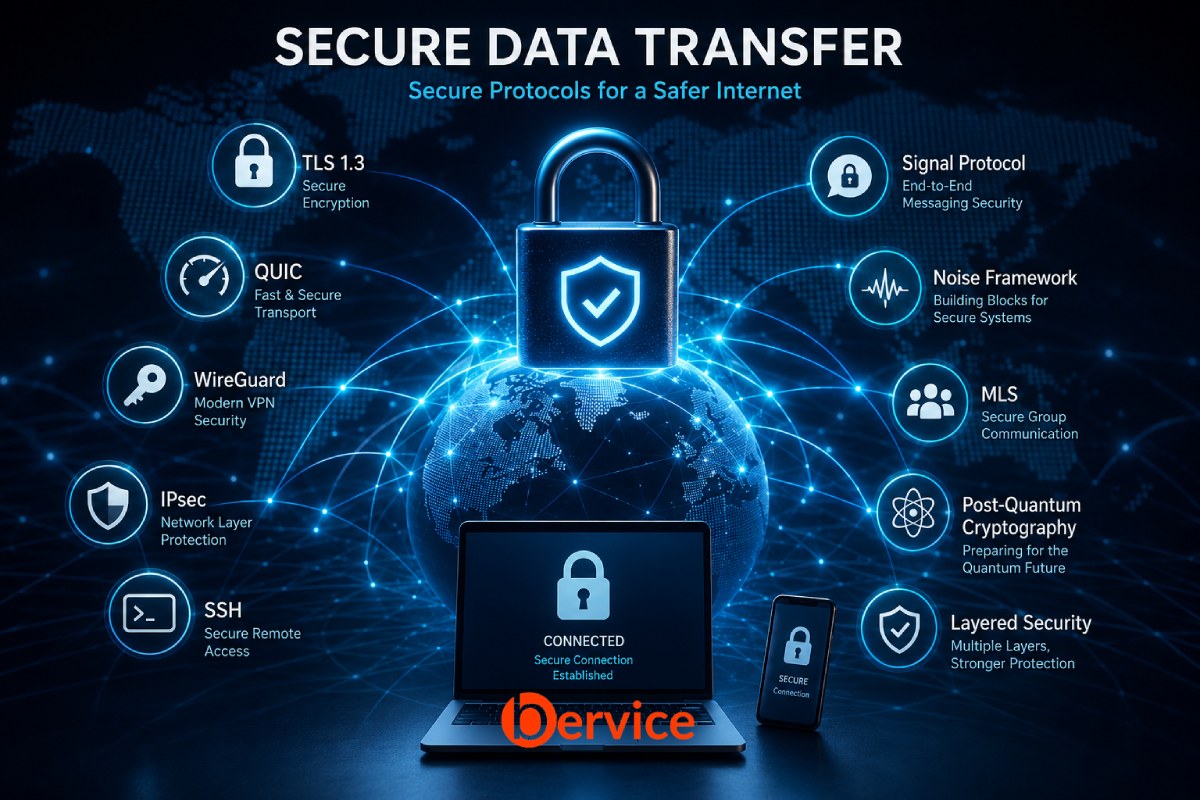
Beyond HTTPS: The World’s Most Secure Data Transfer Protocols in the Age of Cyber Warfare
Why Secure Communication Has Become a Strategic Necessity Every second, trillions of bytes of data travel across the Internet. Financial transactions, healthcare records, military communications, AI model interactions, cloud infrastructure, industrial control systems, and personal conversations all rely on digital networks. Yet many people mistakenly assume that “using HTTPS” means their information is completely…