-
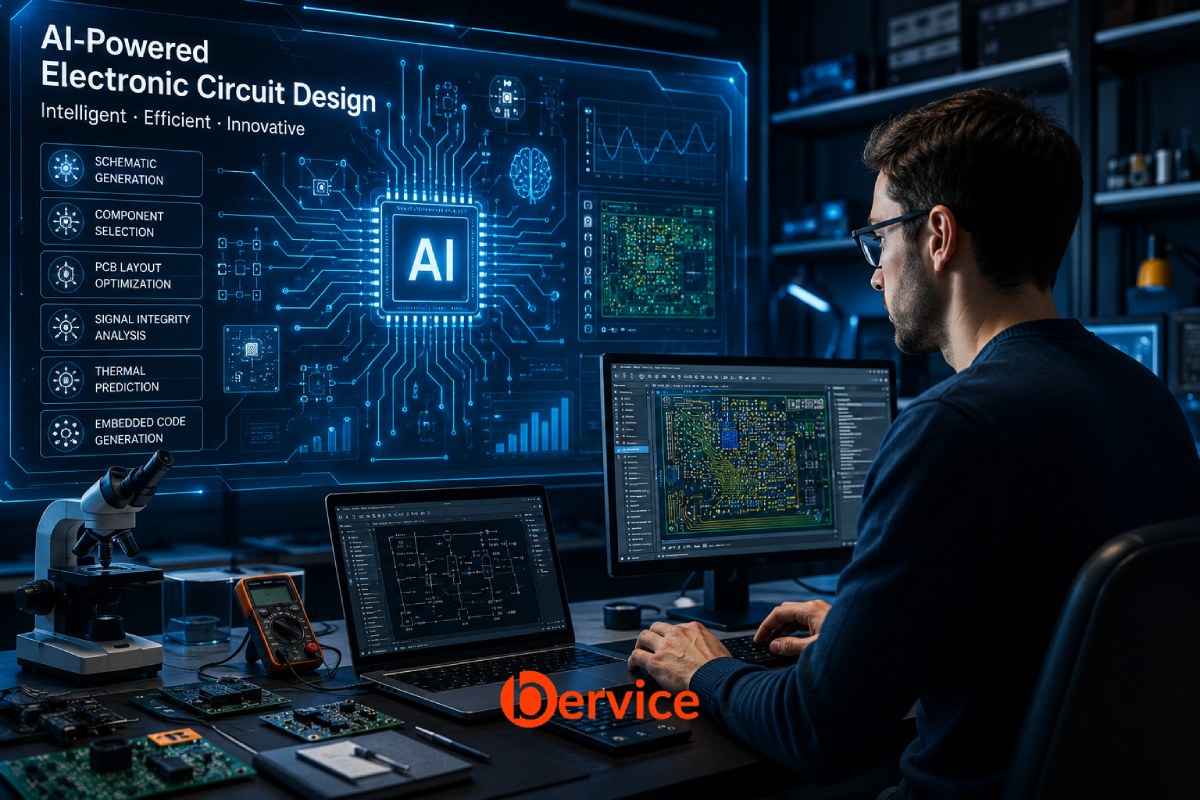
How Artificial Intelligence Is Transforming Electronic Circuit Design
Introduction Artificial Intelligence (AI) is rapidly reshaping the electronics industry. What once required weeks of manual calculations, repeated simulations, and countless hardware prototypes can now be accelerated with intelligent software capable of learning from millions of previous designs. Modern AI tools are no longer limited to automating repetitive tasks. They actively assist engineers by…
-
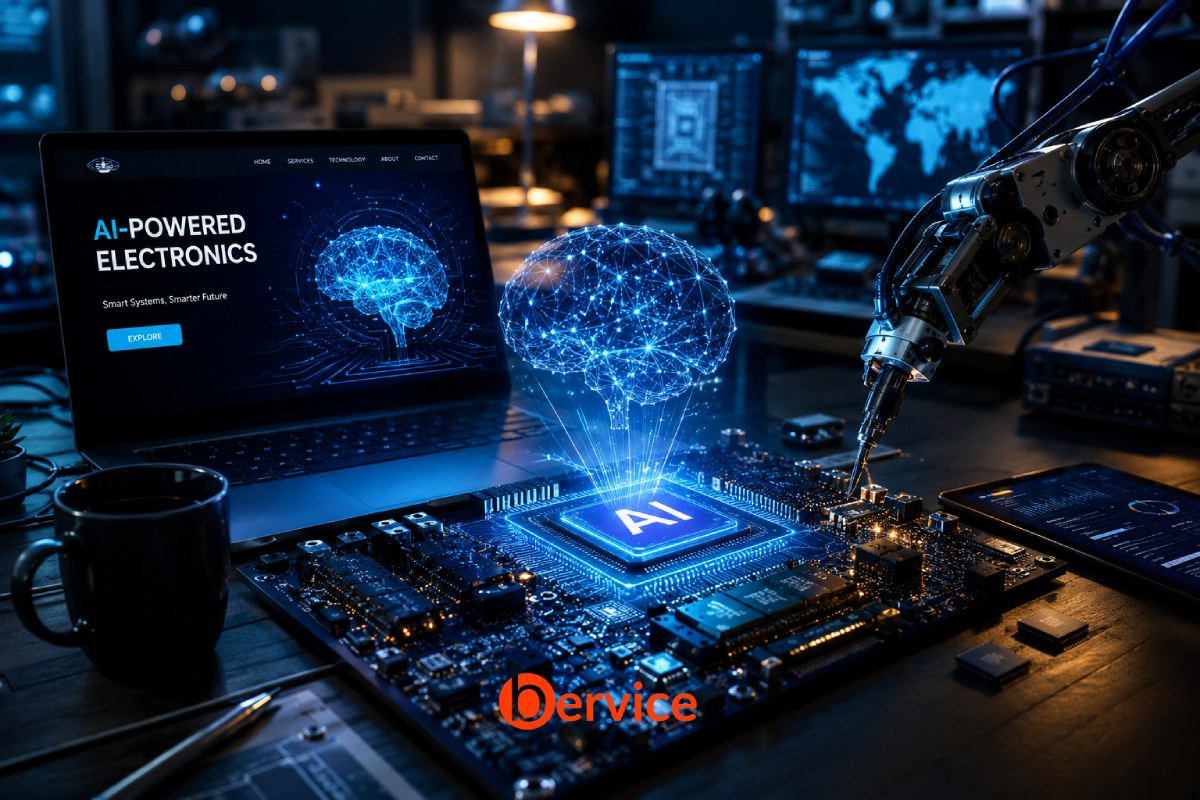
Artificial Intelligence in Electronics: Benefits, Challenges, and the Industries Leading Adoption
Introduction Artificial Intelligence (AI) has become one of the most transformative technologies in modern electronics. From smartphones and wearable devices to industrial automation and autonomous vehicles, AI is fundamentally changing how electronic systems are designed, manufactured, and operated. Instead of simply executing predefined instructions, modern electronic devices can now analyze data, learn from experience,…
-
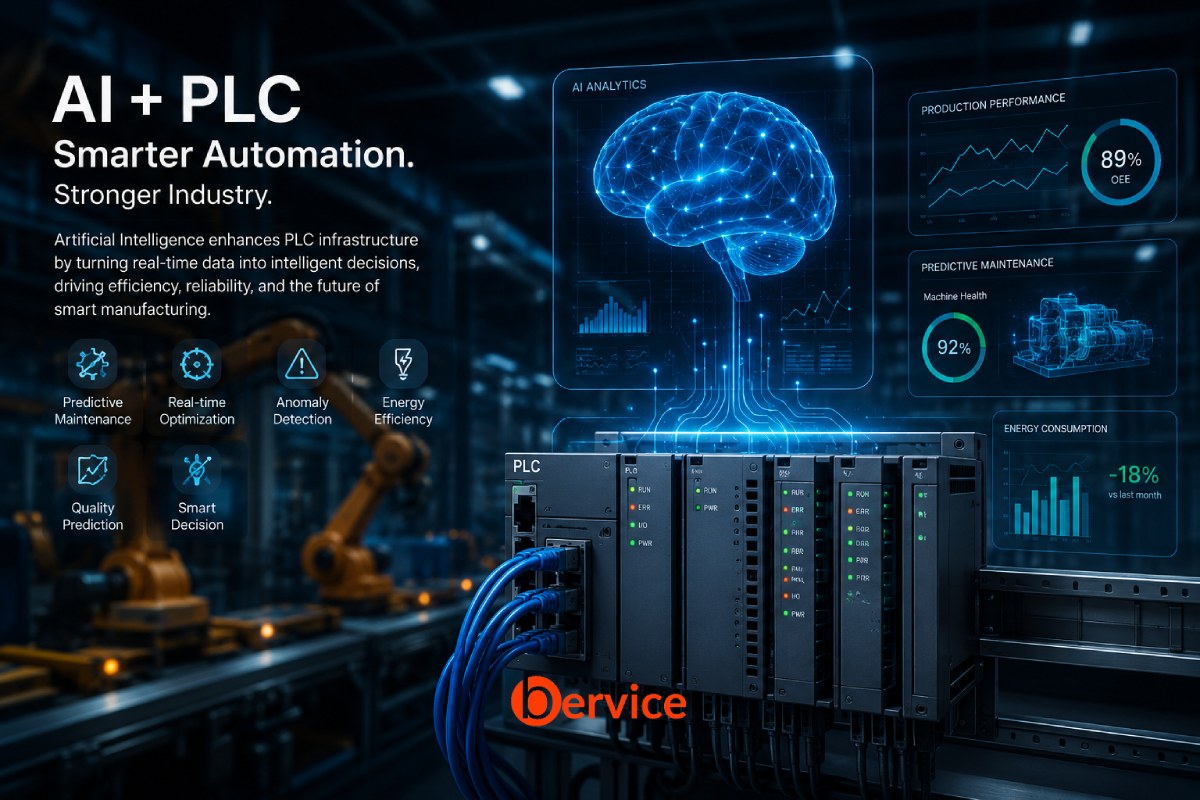
Artificial Intelligence in PLC Infrastructure: Transforming Industrial Automation for the Next Generation
Introduction For decades, Programmable Logic Controllers (PLCs) have been the backbone of industrial automation. They control production lines, manufacturing equipment, water treatment facilities, energy systems, logistics centers, and countless other critical infrastructures. PLCs are known for one defining characteristic: reliability. They execute deterministic logic with exceptional stability, making them indispensable wherever industrial processes require…
-

Building Real-Time Systems with RTOS: Achieving Deterministic Low-Latency Performance
🔹 Understanding Real-Time Systems Real-time systems are not just about running fast — they are about running predictably. In a typical computer, slight timing variations are acceptable. But in real-time applications — like industrial automation, medical equipment, or autonomous vehicles — a delay of even a few microseconds can lead to catastrophic consequences.A real-time…