-
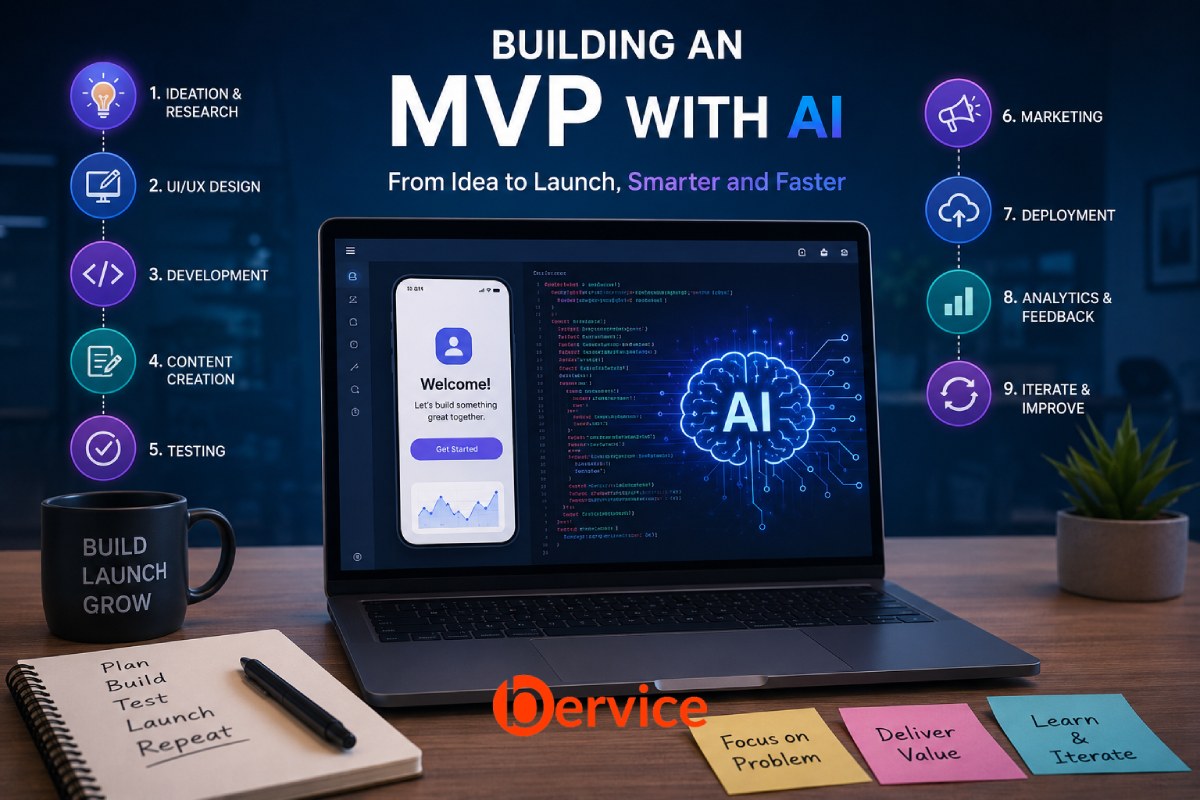
Building an MVP with AI: A Complete Guide from Idea to Launch
In the past, building a Minimum Viable Product (MVP) required a team of designers, frontend developers, backend engineers, marketers, QA specialists, and content creators. Even a simple product could take months to release and require a significant budget before receiving a single piece of customer feedback. That reality is changing. Artificial Intelligence is transforming…
-

How Artificial Intelligence Can Save Up to 80% of Time for Executives and Middle Managers Especially in Startups
Introduction: The Hidden Cost of Managerial Time In startups, time is not just a resource, it is the core currency of survival. Founders, executives, and middle managers constantly operate under pressure, juggling decision-making, coordination, communication, hiring, and execution. Unlike large enterprises, startups cannot afford inefficiency. Every hour wasted compounds into delayed growth, missed opportunities,…
-
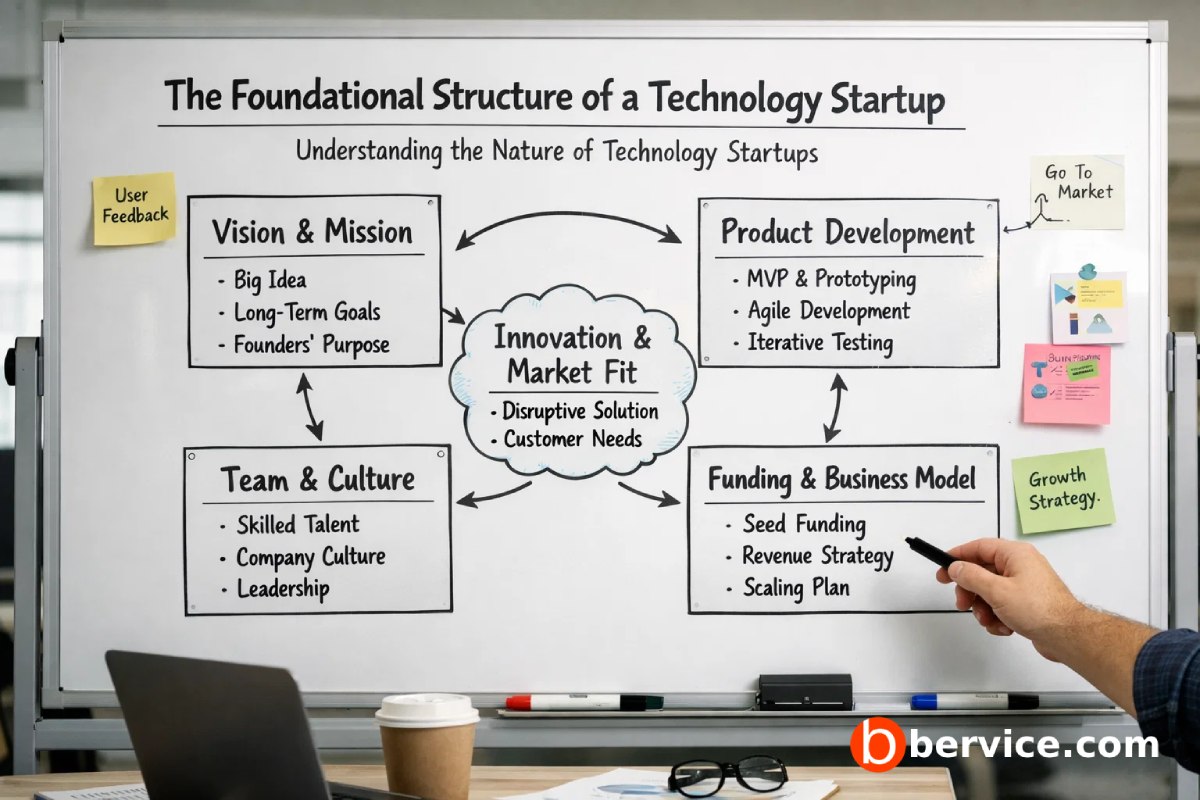
The Foundational Structure of a Technology Startup
Understanding the Nature of Technology Startups Technology startups operate in environments defined by rapid innovation, high uncertainty, and intense competition. Unlike traditional businesses that may rely on predictable markets and stable demand, tech startups must often build products for problems that are still evolving. Because of this, the initial structure of a startup becomes…
-
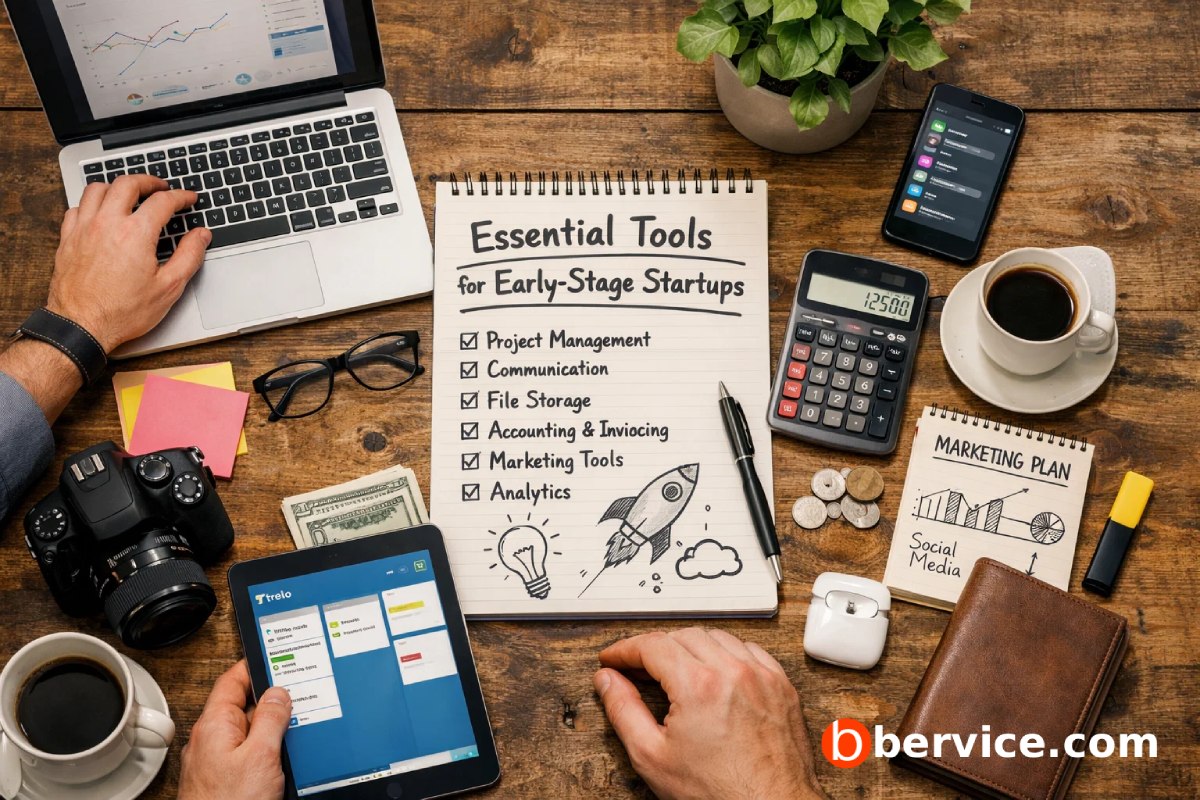
Essential Tools for Early-Stage Startups
A Practical Stack for Tech and SaaS Product Companies Starting a technology startup or a SaaS product company involves far more than building software. Early-stage founders must manage product development, team collaboration, customer communication, infrastructure, analytics, and financial operations simultaneously. Without the right foundational tools, even talented teams can waste significant time on operational…
-

The Foundational Structure of an Early-Stage Startup Designed for Growth and Investment
Introduction: Why Startup Structure Matters from Day One Many early-stage startups focus heavily on building products, acquiring users, or raising initial capital. While these elements are essential, one critical factor is often overlooked: the structural foundation of the startup itself. A startup that lacks a clear and scalable structure can quickly face operational chaos,…