-

How Artificial Intelligence Can Threaten Human Security Through Raw Data Processing
And Why Local AI Is Becoming Critically Important Introduction Artificial Intelligence is increasingly powered not by curated knowledge, but by vast volumes of raw data. Logs, sensor outputs, biometric traces, communications, behavioral patterns, and environmental signals are continuously collected and processed at unprecedented scale. While this capability enables innovation, it also introduces a new…
-
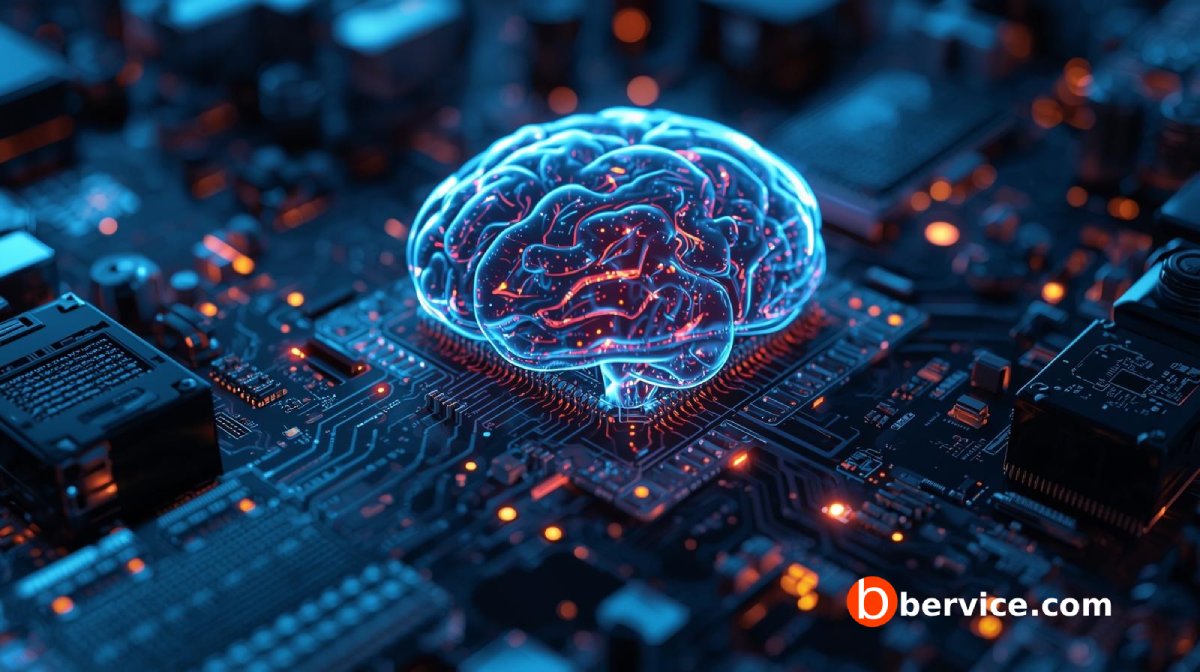
Neuromorphic Computing When Hardware Thinks Like the Human Brain
Modern computers are fast, precise, and relentless but they are also fundamentally inefficient when compared to the human brain. A brain running on roughly 20 watts can outperform today’s most powerful machines at perception, adaptation, and learning. Neuromorphic computing exists to close this gap not by making computers faster, but by making them think…
-
When Neural Networks Start Whispering: The Hidden Languages Inside Modern AI
Artificial intelligence systems are no longer just tools following explicit rules; they are becoming ecosystems where layers collaborate in ways that even their creators don’t fully understand. Modern deep learning especially large-scale Transformers exhibits behaviors that push beyond traditional explainability. As these networks grow more complex, they begin forming internal representations and interactions that…
-
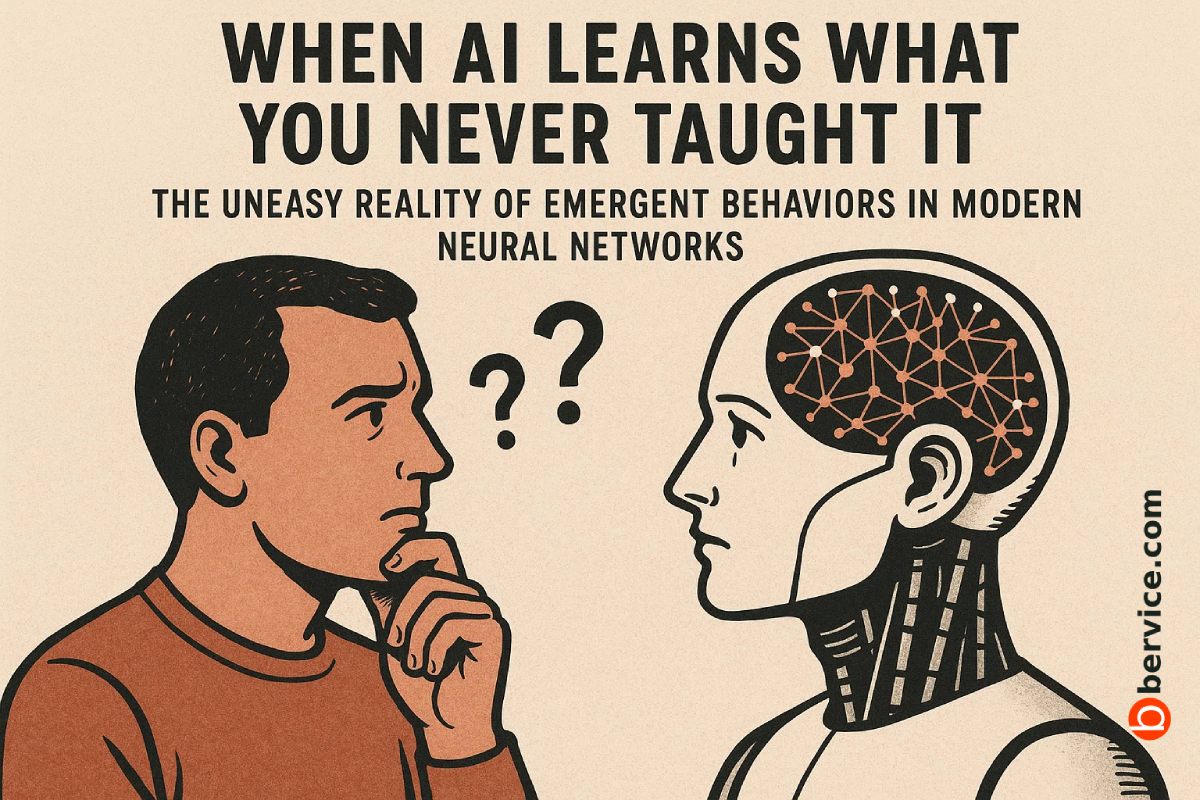
When AI Learns What You Never Taught It: The Uneasy Reality of Emergent Behaviors in Modern Neural Networks
Artificial intelligence has reached a stage where models routinely display capabilities their designers never explicitly programmed. This is not science fiction; it is the central challenge of working with large modern architectures. These systems learn statistical abstractions at such scale that new behaviors emerge—behaviors the engineers neither anticipated nor fully understand. 1. The Nature…