-

How Hermes Agent Connects to AI Models and Builds Memory
The central idea .Hermes is not the intelligence itself. It is the operating layer around an AI model: it assembles instructions and context, sends requests to a selected model provider, executes approved tools, observes the results, and stores selected knowledge so later sessions can begin with useful continuity. A language model can produce a…
-
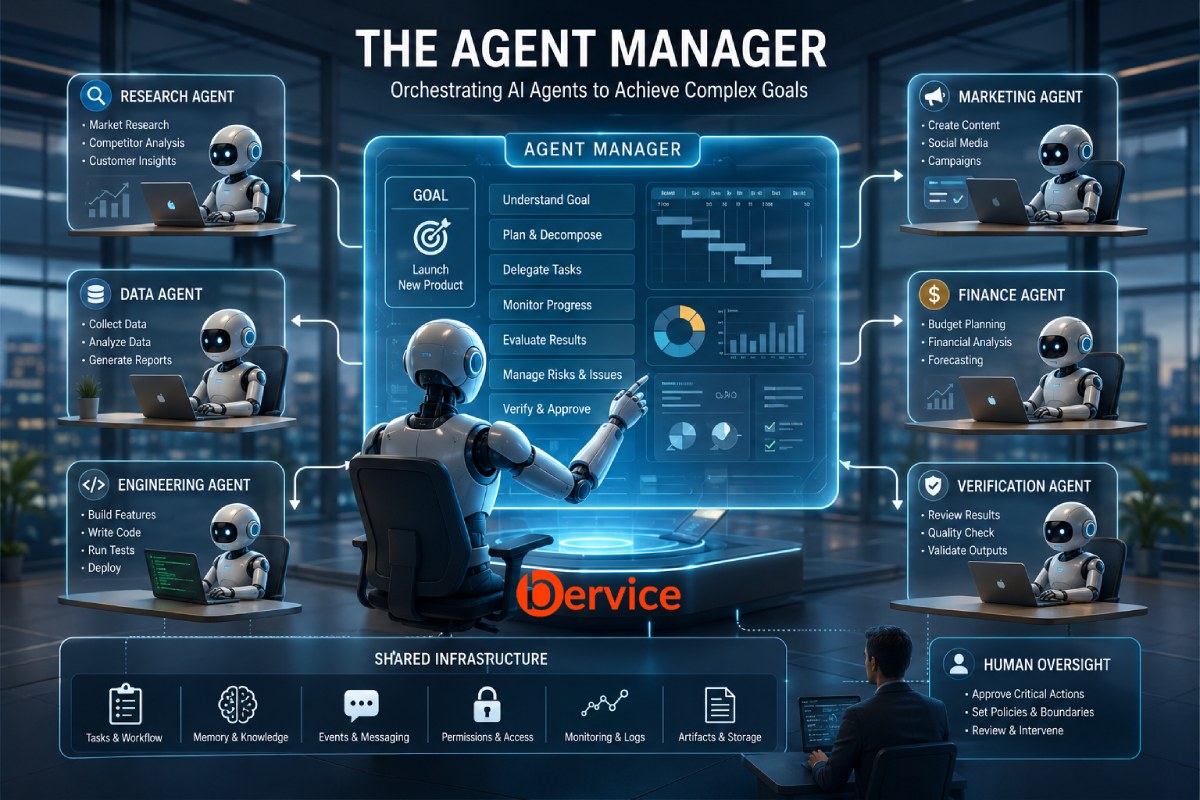
The Agent Manager: How to Build an AI That Manages Other AI Agents
Artificial intelligence is moving beyond the era of the single assistant. The next generation of AI systems will not consist of one model trying to understand a request, search for information, use tools, make decisions, execute actions, verify results, and communicate with the user all inside the same loop. Instead, AI systems are beginning…
-
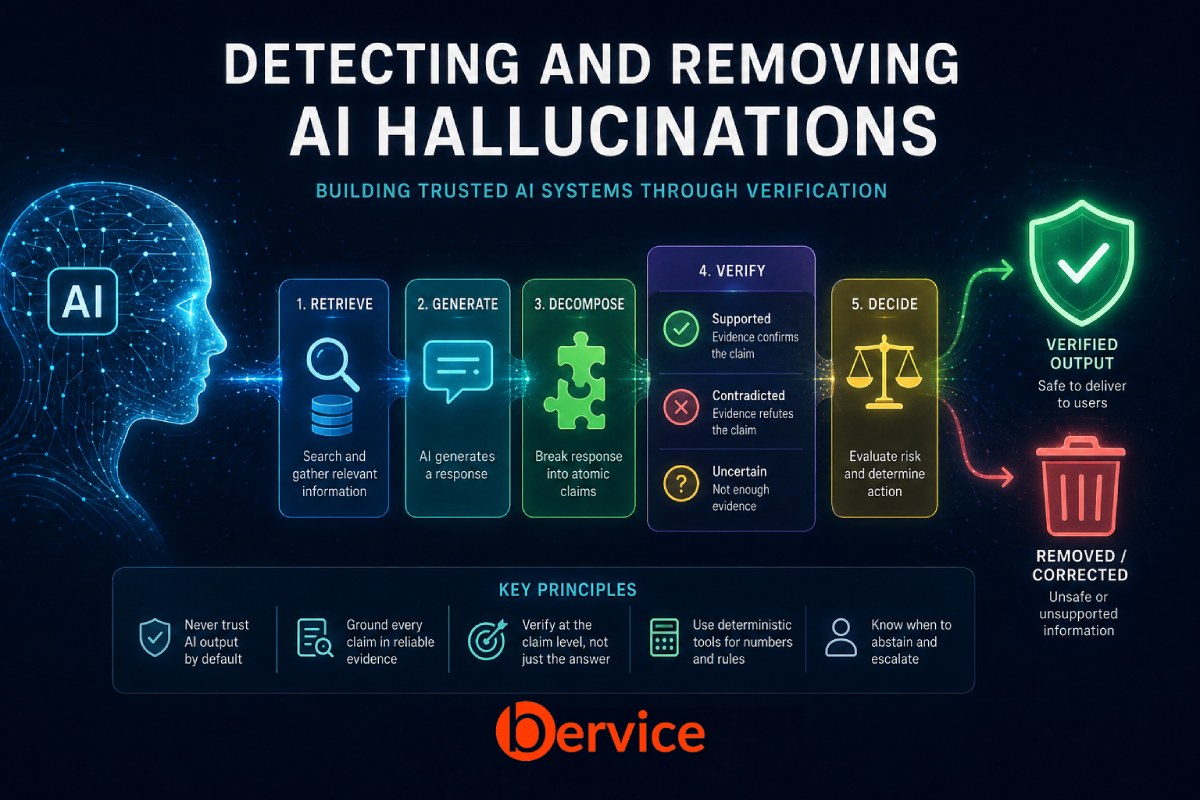
How to Automatically Detect and Remove AI Hallucinations from Production Systems
Introduction Artificial intelligence systems are rapidly moving from simple chat interfaces into infrastructure that makes decisions, analyzes documents, generates reports, searches corporate knowledge, writes software, communicates with customers, and operates autonomous agents. This transition creates a fundamental engineering problem: How can we determine whether an AI-generated statement is actually supported by evidence before allowing…
-
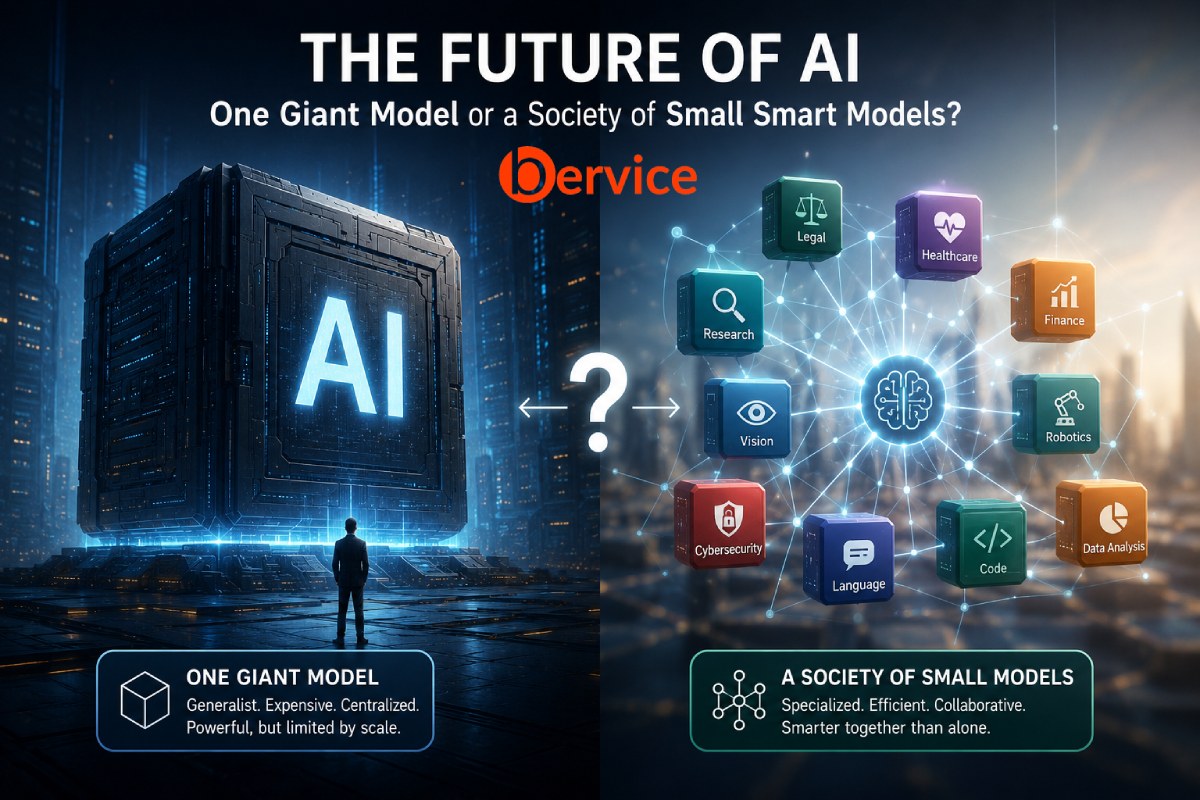
The Next Evolution of Artificial Intelligence: One Giant Model or a Society of Small Smart Models?
Introduction Artificial Intelligence is advancing faster than any technology in modern history. Every few months, larger and more capable foundation models emerge, equipped with trillions of parameters, broader knowledge, and increasingly sophisticated reasoning abilities. But a critical question is beginning to reshape the future of AI: Will intelligence continue to evolve by building one…
-
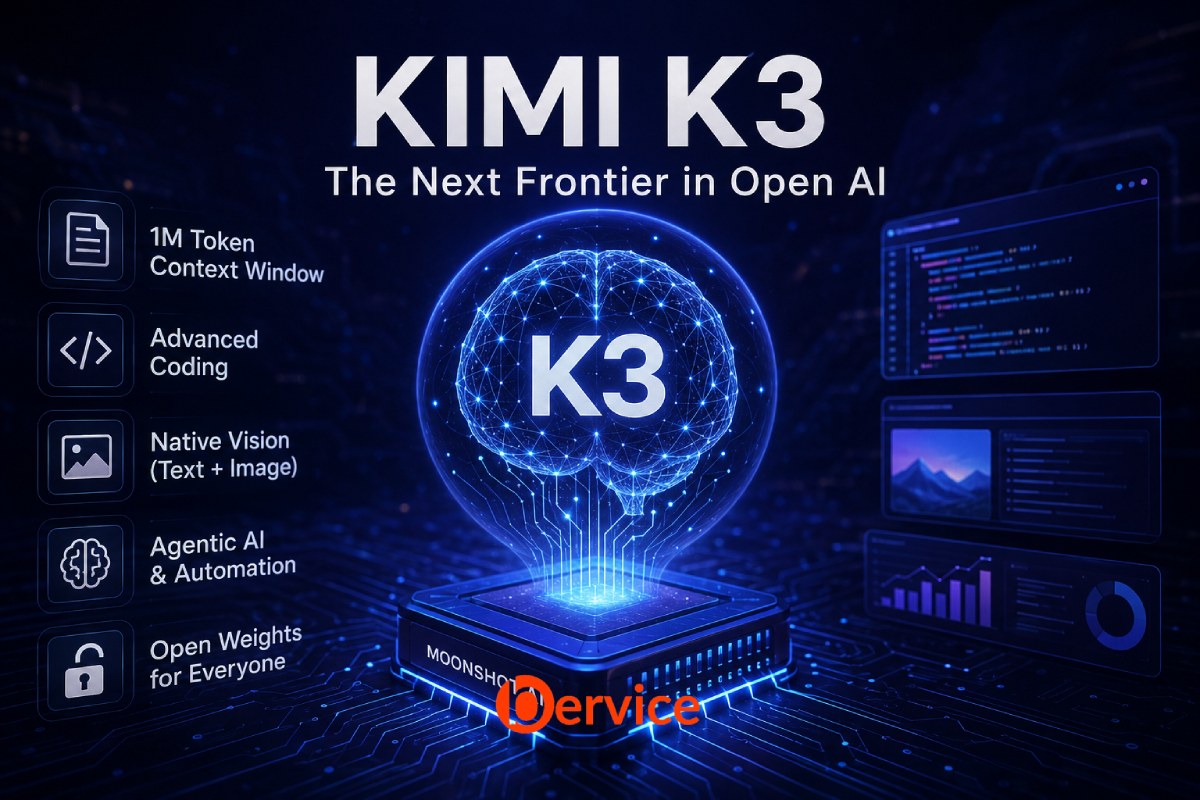
Kimi K3: Moonshot AI’s Open Frontier Model
Features, Advantages, Limitations, and Why It Matters Artificial Intelligence is entering a new era where openness, scalability, and long horizon reasoning are becoming as important as raw benchmark scores. While proprietary models from companies like OpenAI, Anthropic, and Google continue to dominate commercial AI, a new generation of open weight models is rapidly changing…