-

Decentralized Storage, Blockchain, and Quantum Cryptography: The Future of Data Security
In today’s digital world, data is everything — from personal identity to financial records and critical infrastructure. Yet, traditional systems remain highly vulnerable to breaches, central failures, and emerging threats like quantum computing. To overcome these risks, the convergence of blockchain, decentralized storage, and post-quantum cryptography (PQC) is paving the way for a secure…
-
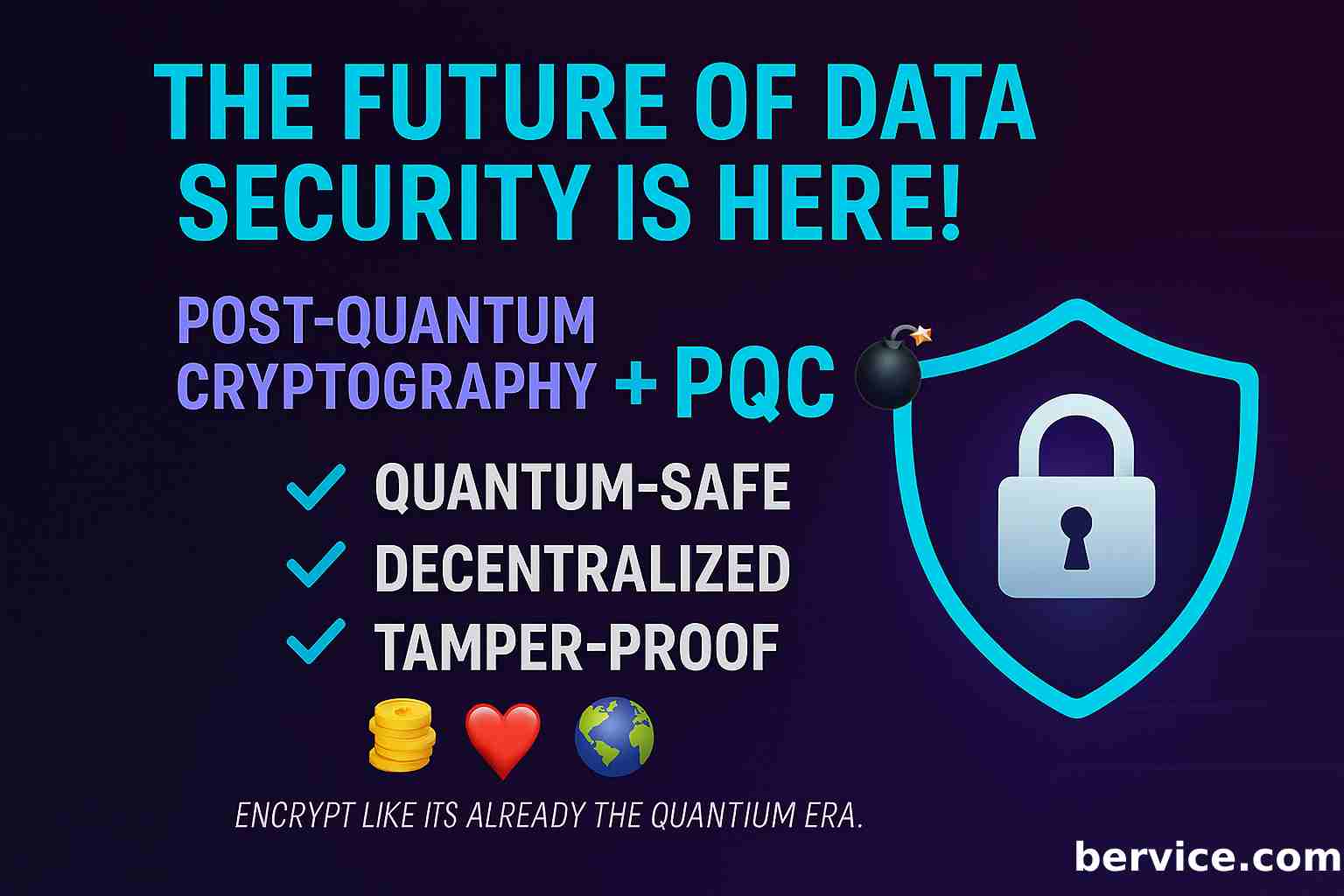
Post-Quantum Cryptography and Blockchain: The Future of Securing Information in the Quantum Era
As quantum computing transitions from theory to practical application, the future of information security stands at a critical crossroads. Classical cryptographic systems — once considered unbreakable — face imminent obsolescence in the face of quantum algorithms like Shor’s and Grover’s. In response, Post-Quantum Cryptography (PQC) has emerged as the leading defense line, particularly when…
-
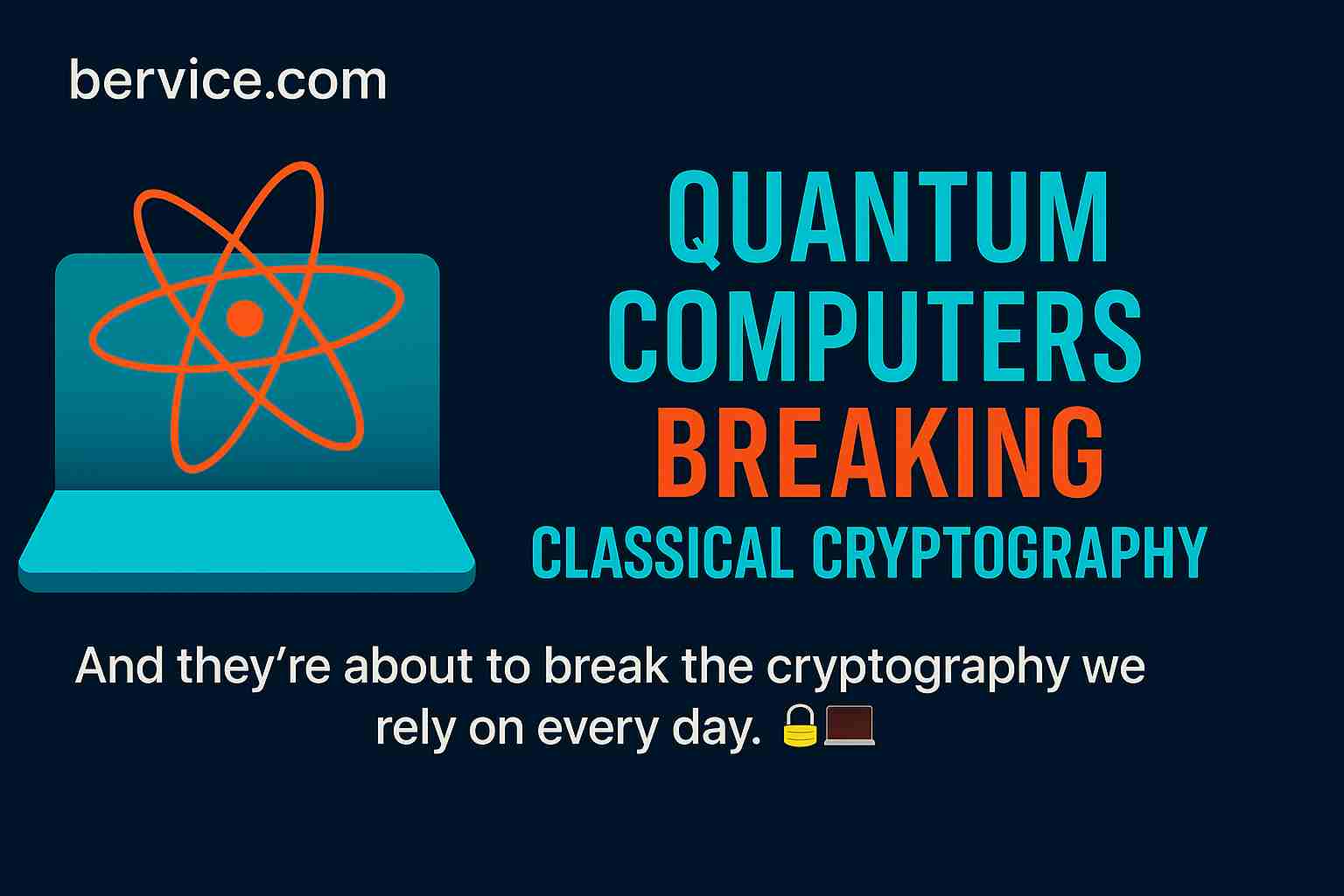
The Impact of Quantum Computers on Traditional Cryptography
In recent years, quantum computing has rapidly evolved from theoretical speculation to a looming technological reality. As this frontier advances, one of its most disruptive consequences is its potential to break traditional cryptographic systems—those foundational protocols that secure digital communications, banking, national defense, and more. This article explores how quantum computers threaten classical cryptography…
-
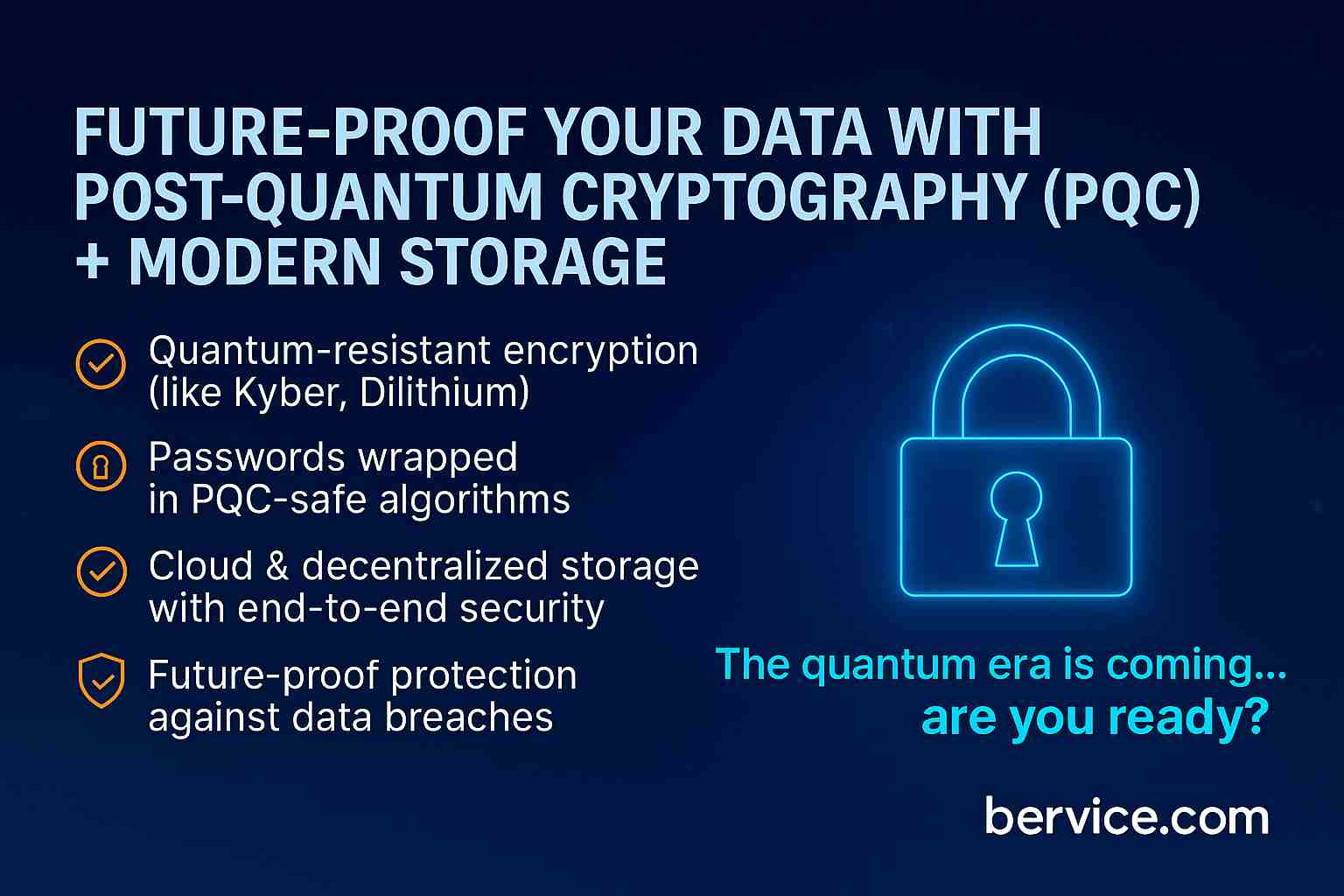
Modern Data Storage Technologies Combined with Post-Quantum Cryptography (PQC) to Prevent Password Breaches
As cyber threats continue to evolve, so must the technologies that protect our data. One of the most significant upcoming threats is quantum computing, which has the potential to break traditional encryption schemes. To counter this, researchers and technologists are now merging modern data storage solutions with Post-Quantum Cryptography (PQC) to build a future-proof…
-
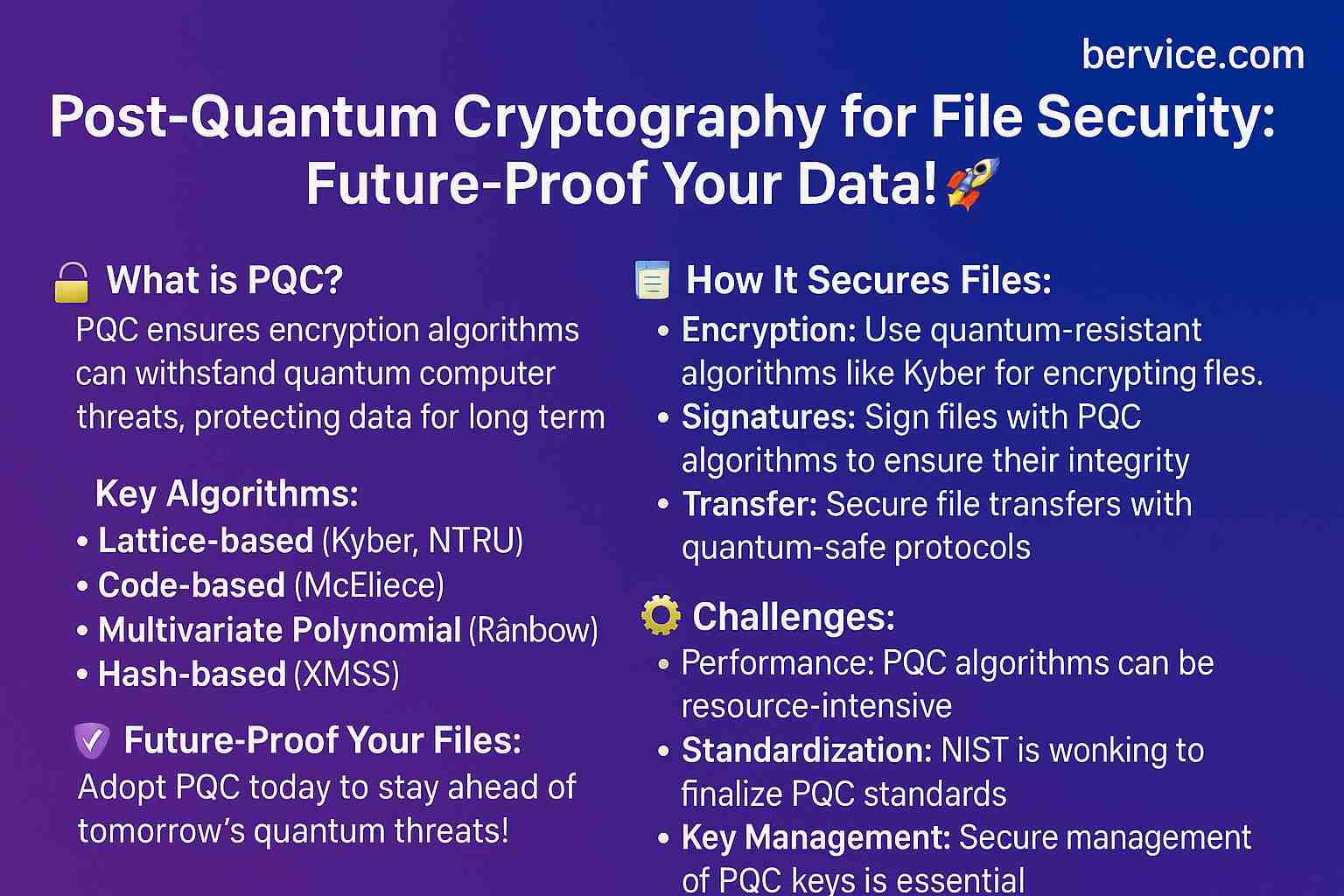
Post-Quantum Cryptography for Files: A Comprehensive Guide
Post-quantum cryptography (PQC) is the field of cryptography focused on developing algorithms that are secure against the potential future threat of quantum computers. Quantum computers have the potential to break widely used encryption algorithms, such as RSA and ECC (Elliptic Curve Cryptography), due to their ability to solve certain problems exponentially faster than classical…