-

The Power of Hashing in One-Way Security and Irreversible Storage
In modern digital systems, hashing is one of the most fundamental building blocks of security. It is not encryption, it is not obfuscation, and it is not reversible. Hashing exists for a single purpose: to represent data in a way that cannot be transformed back into its original form. This one way property is…
-
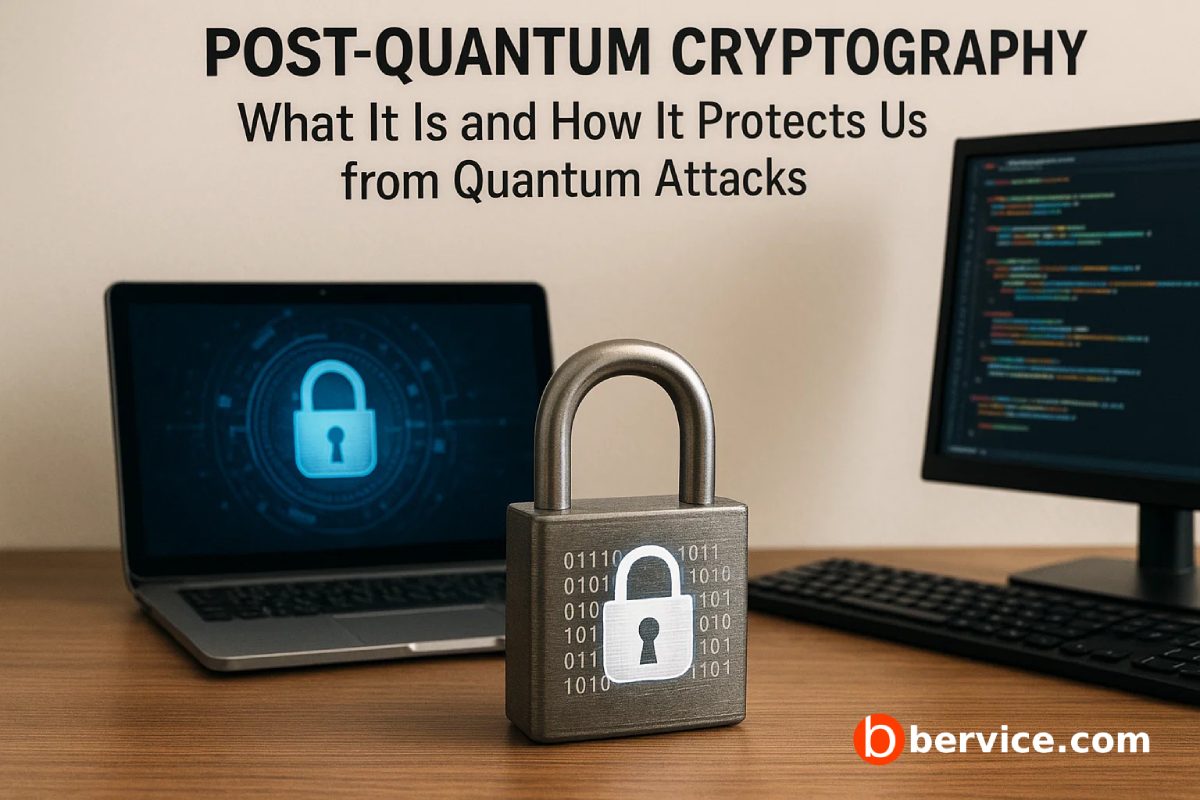
Post-Quantum Cryptography: What It Is and How It Protects Us from Quantum Attacks
Introduction The digital world depends on cryptography that was designed for classical computers. Protocols like RSA, Diffie–Hellman, and elliptic-curve cryptography (ECC) secure everything payments, messaging, software updates, VPNs, authentication.But here’s the uncomfortable truth: a sufficiently powerful quantum computer can break all of them using Shor’s algorithm. This is exactly why post-quantum cryptography exists. PQC…
-
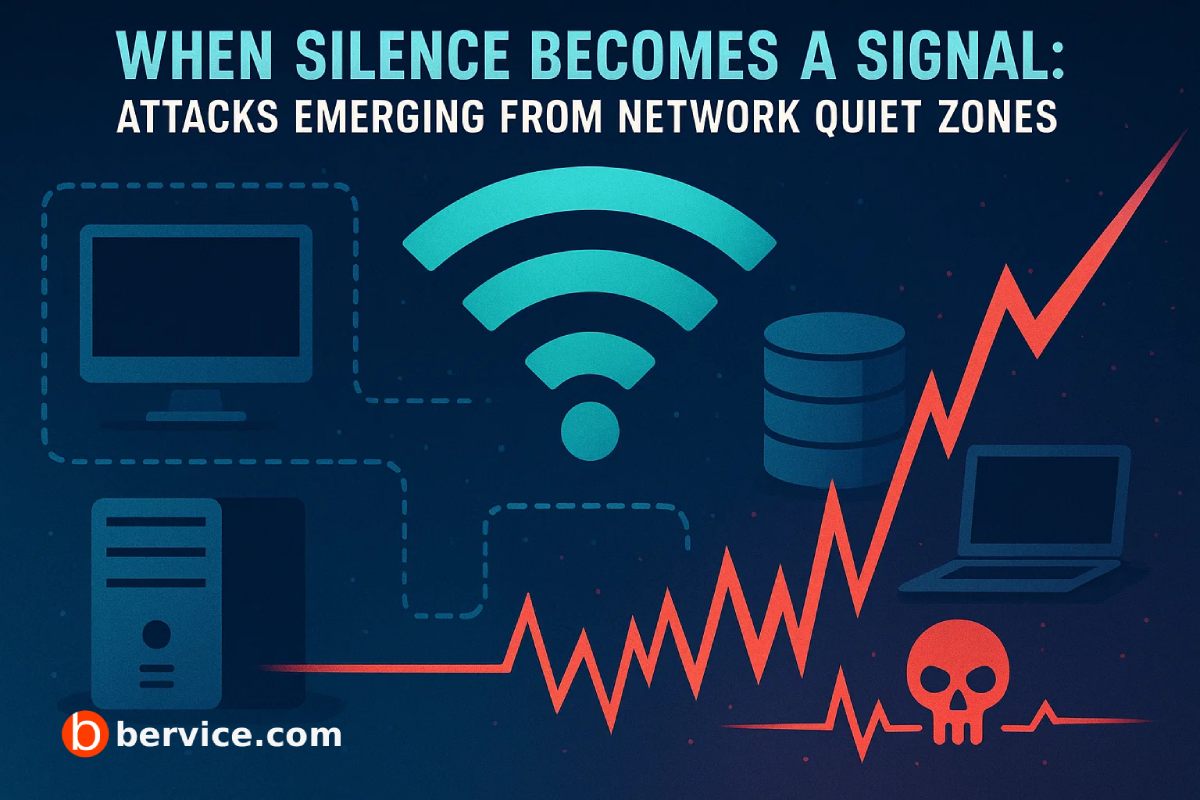
When Silence Becomes a Signal: Attacks Emerging From Network Quiet Zones
Advanced intrusions rarely announce themselves. In fact, some of the most dangerous breaches begin with the opposite: a sudden absence of the traffic patterns you expect. Modern networks create predictable rhythms ARP chatter, DNS lookups, routine broadcast noise, service heartbeats. When those patterns collapse, the silence isn’t calm; it’s a warning. 1. The Hidden…
-

When Cryptography Depends on Noise, Not Data: The Hidden Risk in Quantum-Safe Systems
Quantum-safe cryptography is often promoted as the long-term shield against quantum attacks, but a critical blind spot is rarely discussed: some of these schemes fundamentally rely on noise and noise is a physical phenomenon, not a mathematical one.Once your security depends on unpredictable errors, anyone who can control those errors can start bending the…
-
Zombie Processes: Dead Code That Still Haunts the System
In operating systems, not every threat is loud. Some are silent, subtle, and buried deep in the process table. Zombie processes fall exactly into that category: tasks that have already finished execution but refuse to disappear. They’re technically dead, yet still present a residue of poor process management that can grow into a system-wide…