-

Backdoors at the BIOS Level: When the Infection Lives Below the Operating System
Cyber-attacks usually fight in the world you can see files, processes, drivers. But the most dangerous threats don’t play in that arena. They go underneath everything, burying themselves in the firmware that initializes the machine long before any OS boots. These are BIOS/UEFI-level backdoors, and once they get a foothold, they operate with a…
-
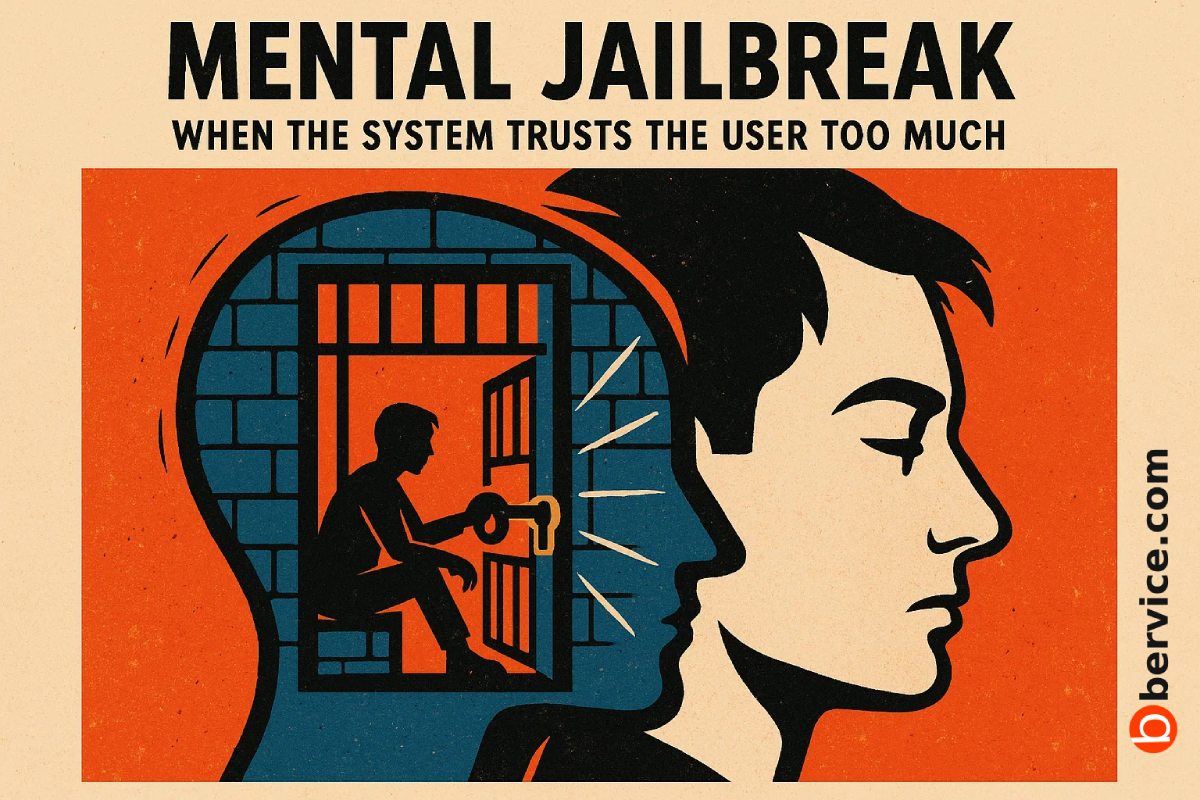
Mental Jailbreak: When the System Trusts the User Too Much
Modern mobile operating systems are designed around one fundamental assumption: the user is both the owner and the greatest threat to the device. This paradox is at the core of every security model in Android and iOS. While vendors invest heavily in sandboxing, mandatory access control, and kernel hardening, a single decision made by…
-
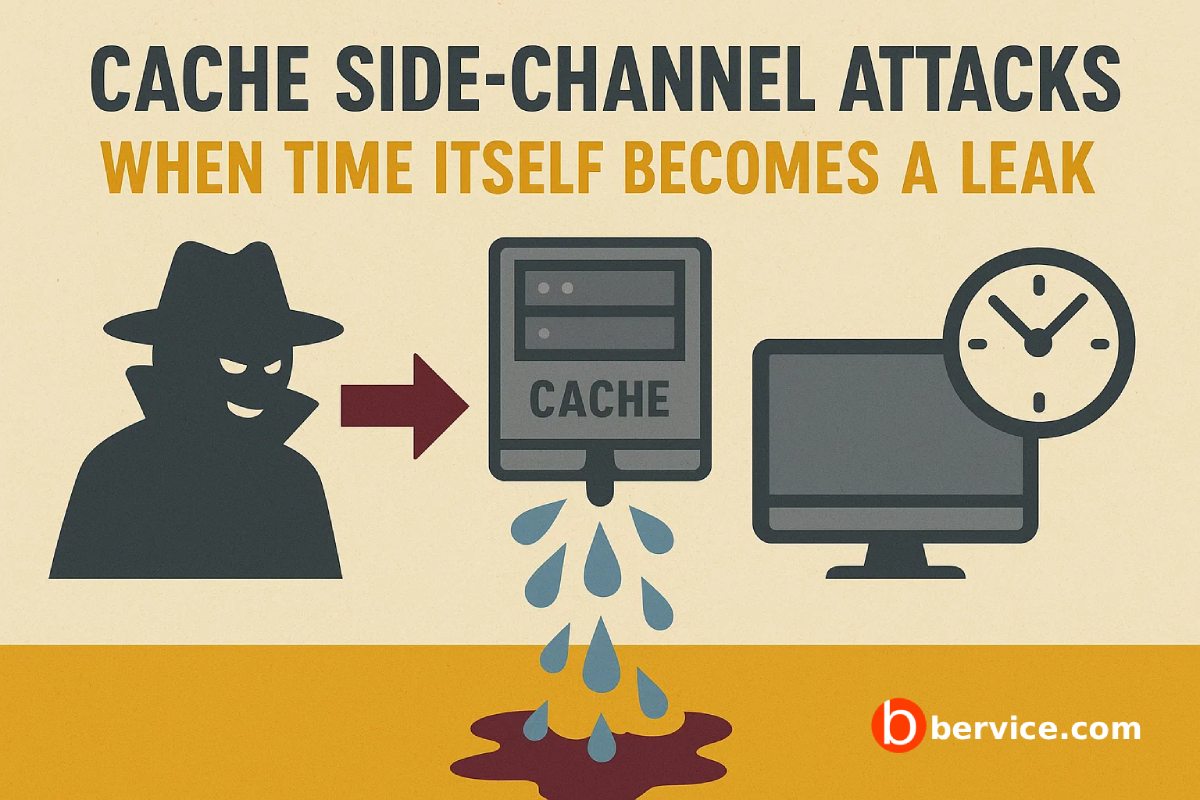
Cache Side-Channel Attacks: When Time Itself Becomes a Leak
Modern computing systems rely on multilayered memory hierarchies designed for speed, not secrecy. CPU caches — L1, L2, L3 — exist to accelerate access to frequently used data. But that optimization introduces a blind spot: timing differences. Attackers can observe tiny delays in memory access and extract information that should never be accessible. No…
-

Power and Electromagnetic Side Channels: Data Extraction Across Physical Gaps
1. Beyond Software Boundaries: The Invisible Leakage When people talk about cybersecurity, they usually imagine code vulnerabilities, not physical ones. Yet some of the most insidious data leaks come not from compromised networks but from the subtle energy a device emits as it operates. Power consumption fluctuations and electromagnetic (EM) radiation — normally just…
-

Quantum Vulnerabilities in Today’s Cryptography
A Historical Perspective and a Forward-Looking Defense Strategy For decades, modern cryptography has relied on mathematical problems assumed to be computationally infeasible for classical computers. Algorithms like RSA, Diffie-Hellman, and Elliptic Curve Cryptography (ECC) derive their security from the hardness of factoring large integers or solving discrete logarithms. This design has worked because no…