-
Side-Channel Attacks on Mobile and IoT what they are, why they matter, and how to defend against them
Side-channel attacks are the ugly truth most developers don’t want to face: they extract secrets without breaking crypto math or getting privileged access — by observing physical or microarchitectural side effects (timing, power consumption, EM emissions, cache behavior, sensors, etc.). On constrained devices like phones and IoT nodes this problem is worse because hardware…
-

Advanced Persistent Threats (APT) on Mobile and Network Systems
Advanced Persistent Threats (APTs) represent the highest tier of targeted cyberattacks: long-term, strategic intrusions executed by highly skilled adversaries, often state-sponsored groups or well-funded criminal organizations. Their goal is simple: remain inside a system for as long as possible while silently gathering intelligence, manipulating assets, or preparing for strategic disruption. Unlike common malware or…
-
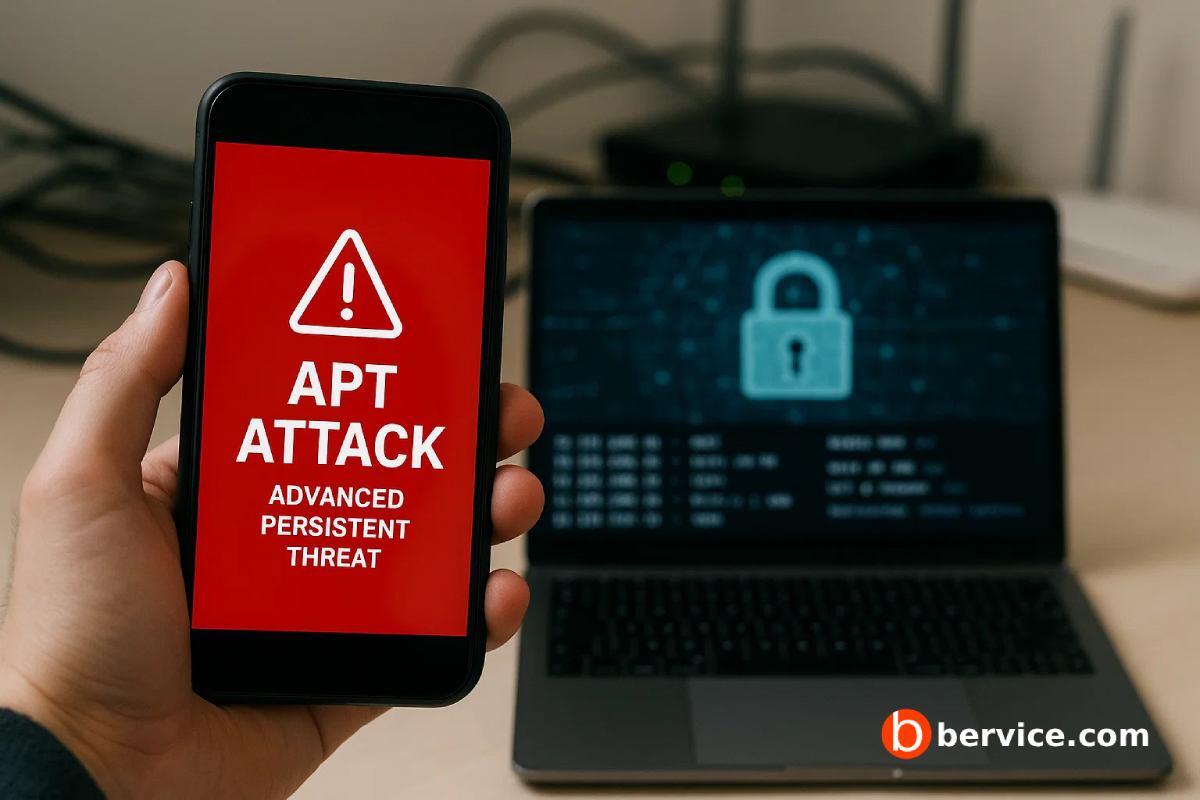
Advanced Persistent Threats (APTs) on Mobile Devices and Enterprise Networks
Advanced Persistent Threats (APTs) are not ordinary cyberattacks. They are long-term, highly coordinated intrusion campaigns typically executed by well-resourced groups with strategic goals. These groups often include state-sponsored units, cyber mercenaries, or organized criminal operations. Their objective is not quick profit or temporary disruption; their goal is ongoing access, intelligence gathering, and silent control.…
-

DNS Spoofing Attacks: When Names Lie
1. What Is DNS and Why It Matters The Domain Name System (DNS) is the backbone of how the internet translates human-friendly names (like google.com) into machine-readable IP addresses. Every time you visit a website, your device queries a DNS server to find the correct IP.In essence, DNS acts as the phonebook of the…
-
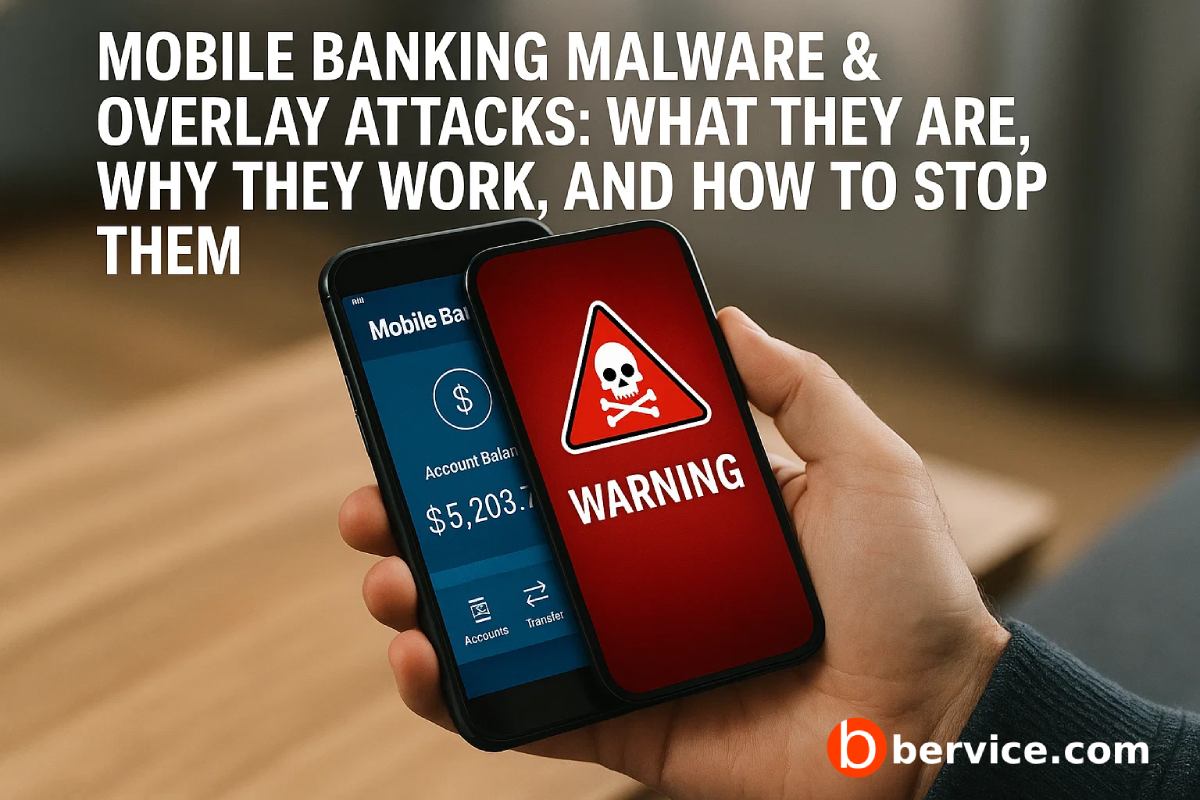
Mobile banking malware & overlay attacks: what they are, why they work, and how to stop them
Short version: modern Android banking trojans steal credentials and authorize fraud by placing fake UI layers over real banking apps (or by abusing Accessibility), capturing input and bypassing controls. This attack vector is old, effective, and still widely abused — stop treating it like “user error.” Fix the product and the server, harden the…