-

Enhancing Security in Mobile Application Development
With the rapid growth of mobile applications across all industries, security has become one of the most critical concerns for developers and organizations alike. Mobile apps often handle sensitive user data such as personal information, financial details, and authentication credentials. Any security flaw can lead to data breaches, unauthorized access, and severe damage to…
-
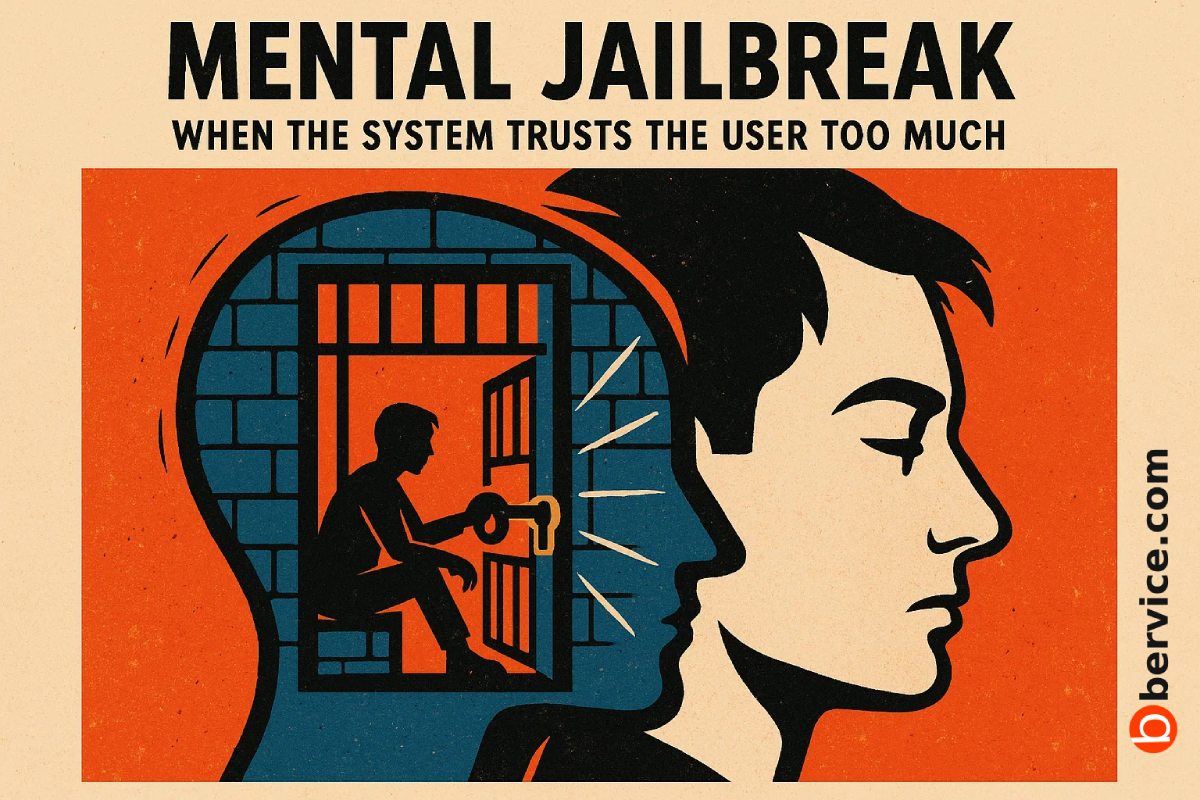
Mental Jailbreak: When the System Trusts the User Too Much
Modern mobile operating systems are designed around one fundamental assumption: the user is both the owner and the greatest threat to the device. This paradox is at the core of every security model in Android and iOS. While vendors invest heavily in sandboxing, mandatory access control, and kernel hardening, a single decision made by…
-
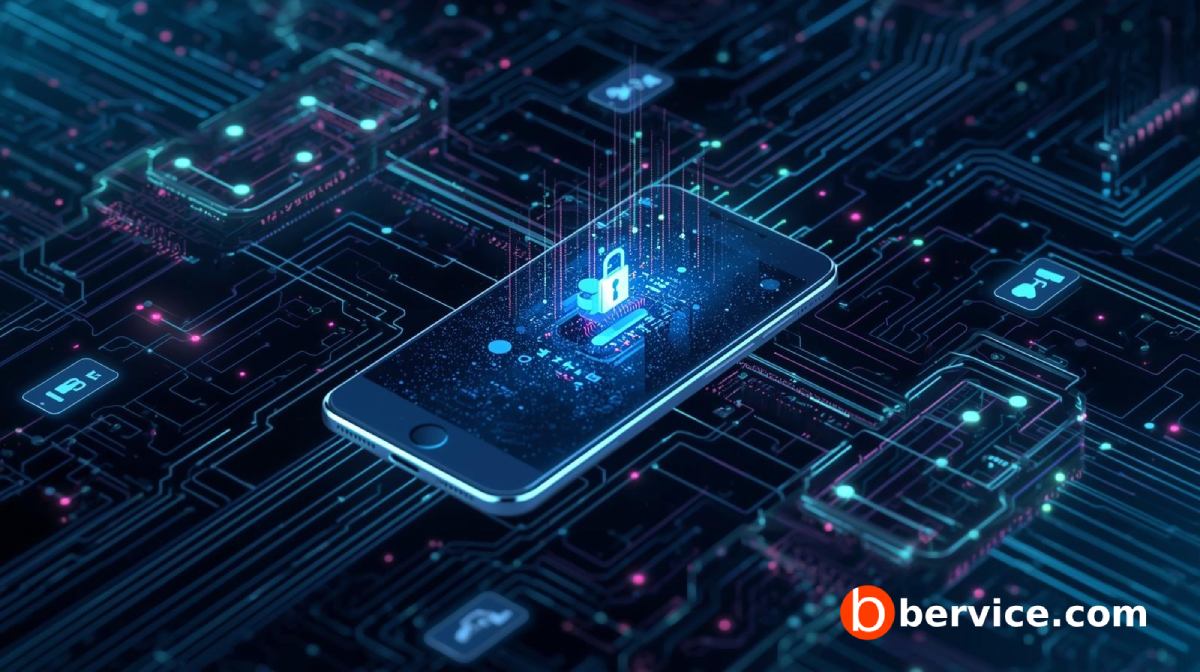
Side-Channel Attacks on Mobile and IoT what they are, why they matter, and how to defend against them
Side-channel attacks are the ugly truth most developers don’t want to face: they extract secrets without breaking crypto math or getting privileged access — by observing physical or microarchitectural side effects (timing, power consumption, EM emissions, cache behavior, sensors, etc.). On constrained devices like phones and IoT nodes this problem is worse because hardware…
-

Advanced Persistent Threats (APT) on Mobile and Network Systems
Advanced Persistent Threats (APTs) represent the highest tier of targeted cyberattacks: long-term, strategic intrusions executed by highly skilled adversaries, often state-sponsored groups or well-funded criminal organizations. Their goal is simple: remain inside a system for as long as possible while silently gathering intelligence, manipulating assets, or preparing for strategic disruption. Unlike common malware or…
-
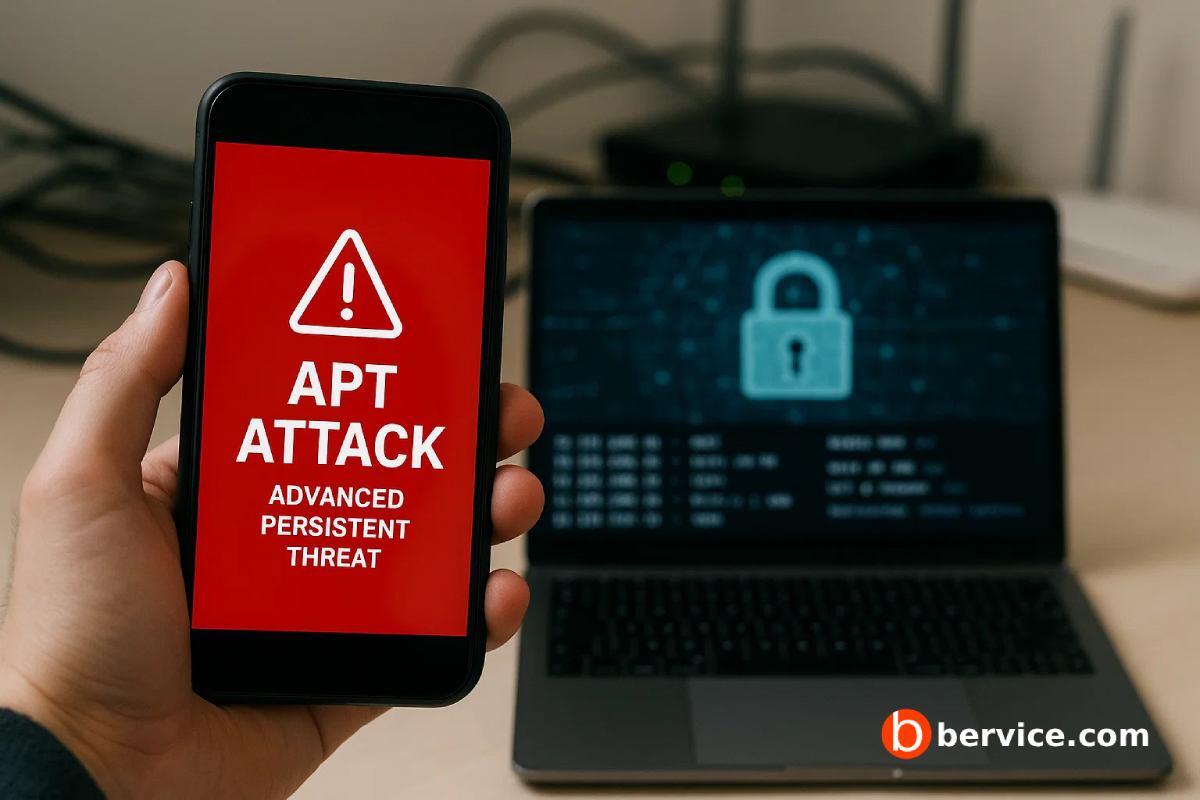
Advanced Persistent Threats (APTs) on Mobile Devices and Enterprise Networks
Advanced Persistent Threats (APTs) are not ordinary cyberattacks. They are long-term, highly coordinated intrusion campaigns typically executed by well-resourced groups with strategic goals. These groups often include state-sponsored units, cyber mercenaries, or organized criminal operations. Their objective is not quick profit or temporary disruption; their goal is ongoing access, intelligence gathering, and silent control.…