-

Beyond HTTPS: The World’s Most Secure Data Transfer Protocols in the Age of Cyber Warfare
Why Secure Communication Has Become a Strategic Necessity Every second, trillions of bytes of data travel across the Internet. Financial transactions, healthcare records, military communications, AI model interactions, cloud infrastructure, industrial control systems, and personal conversations all rely on digital networks. Yet many people mistakenly assume that “using HTTPS” means their information is completely…
-
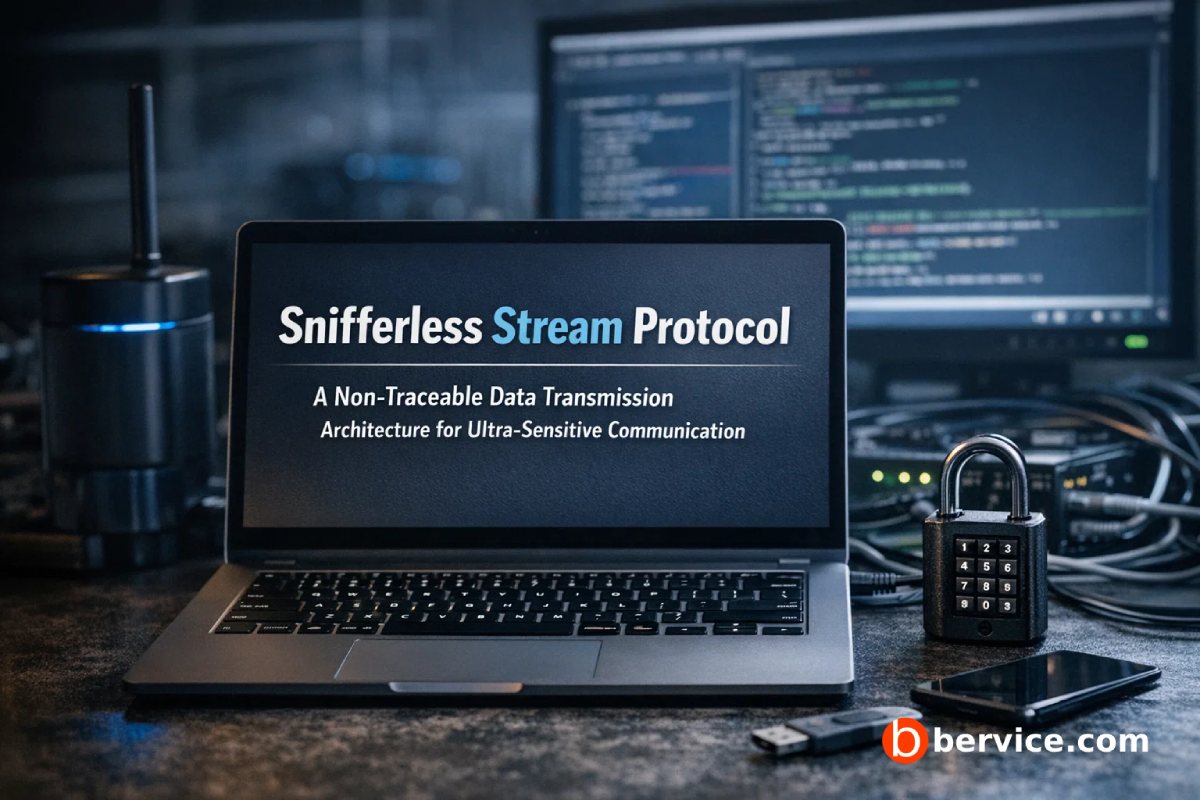
Snifferless Stream Protocol A Non-Traceable Data Transmission Architecture for Ultra-Sensitive Communication
In a world where deep packet inspection (DPI), traffic fingerprinting, and behavioral analytics continuously evolve, traditional encryption is no longer sufficient to guarantee operational secrecy. Encryption protects content but it does not necessarily conceal metadata, structure, or transmission patterns. The Snifferless Stream Protocol introduces a different paradigm: not merely encrypting data, but eliminating recognizable…
-

IPSec The Hidden Security Layer of the Internet
Before IPSec, the internet operated like an open street with no surveillance every packet was visible, traceable, and easy to manipulate. Data moved fast, but it moved naked. Anyone sitting in the right place on the network path could observe, replay, or tamper with traffic. IPSec was created to fix this fundamental flaw at…
-

Hidden Protocols in Networks: Beyond TCP/IP
Modern network security is still heavily shaped by assumptions made decades ago: traffic flows over well-known ports, protocols are explicit, and malicious behavior is noisy. Advanced attackers exploit exactly these assumptions. By using hidden or lesser-known protocol techniques, they turn the network into a gray zone where traditional visibility breaks down. The Illusion of…
-
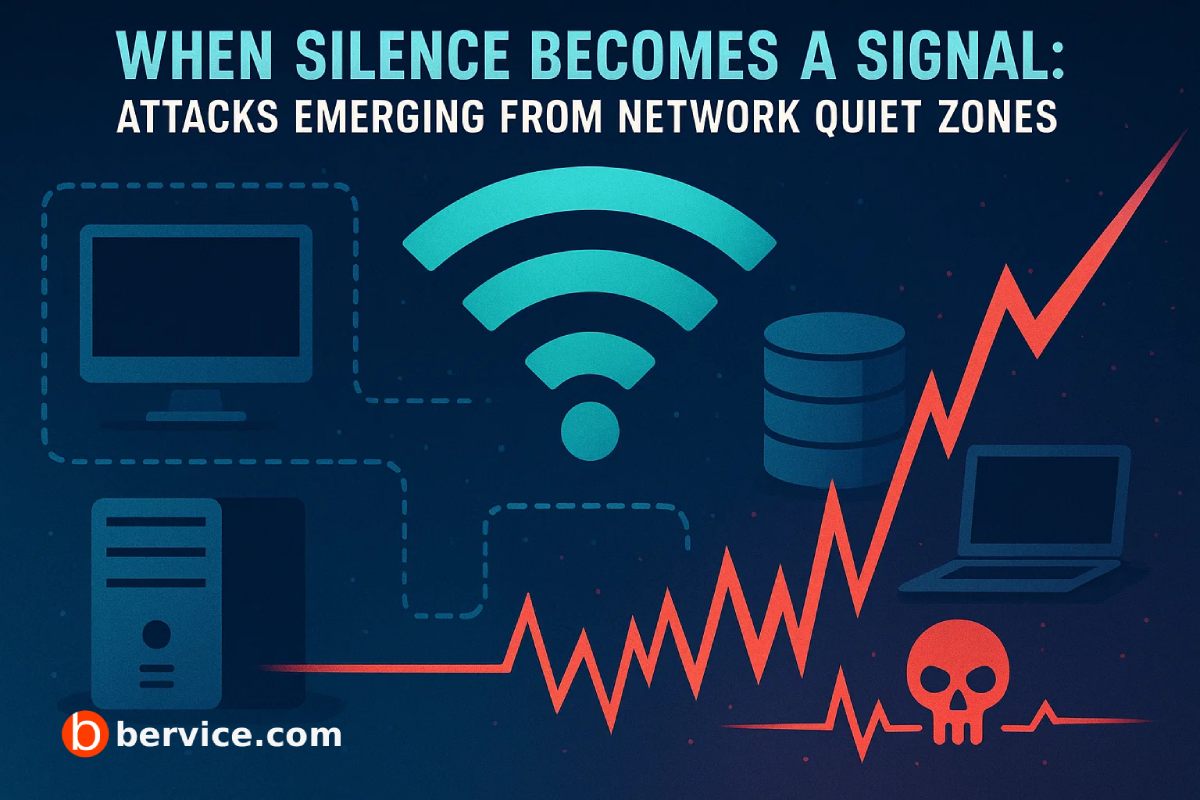
When Silence Becomes a Signal: Attacks Emerging From Network Quiet Zones
Advanced intrusions rarely announce themselves. In fact, some of the most dangerous breaches begin with the opposite: a sudden absence of the traffic patterns you expect. Modern networks create predictable rhythms ARP chatter, DNS lookups, routine broadcast noise, service heartbeats. When those patterns collapse, the silence isn’t calm; it’s a warning. 1. The Hidden…