-
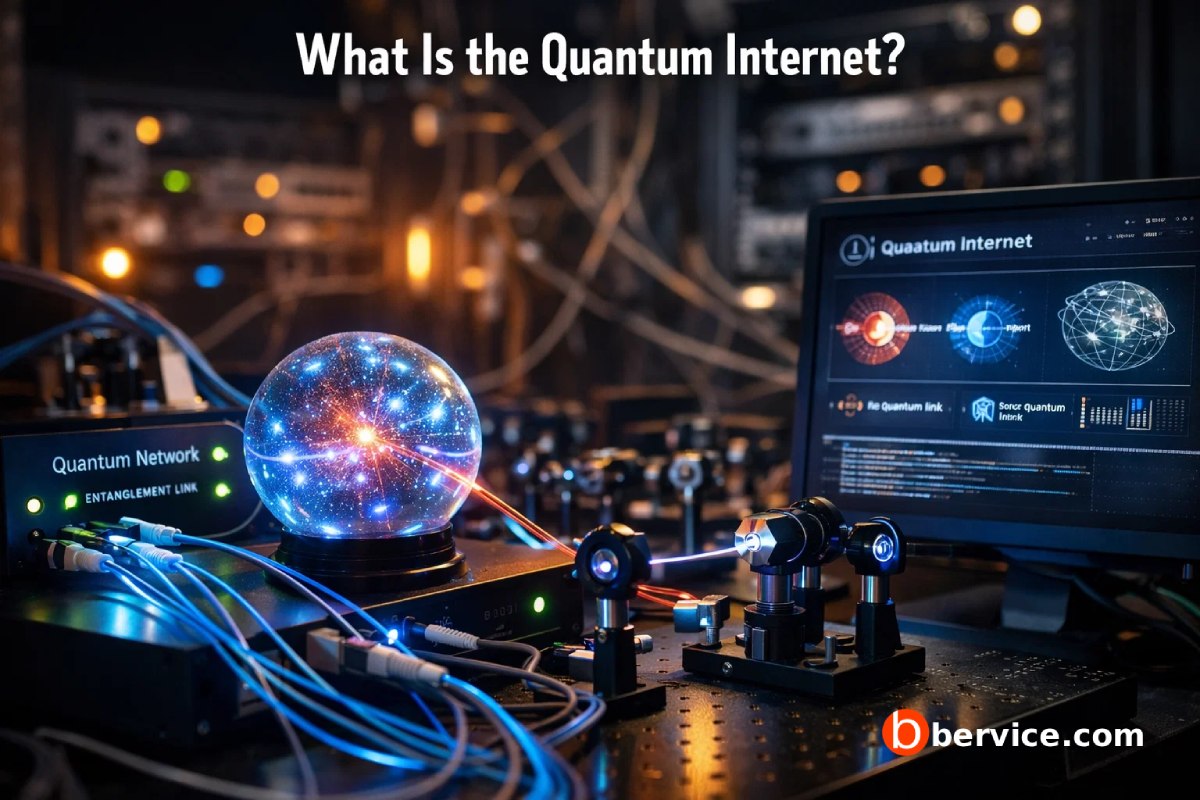
What Is the Quantum Internet?
The Quantum Internet is a next generation communication network that uses the laws of quantum physics to transmit information in fundamentally new ways. Unlike the classical internet, which sends bits as 0s and 1s, the quantum internet relies on quantum bits or qubits, which can exist in superposition and can be linked through quantum…
-
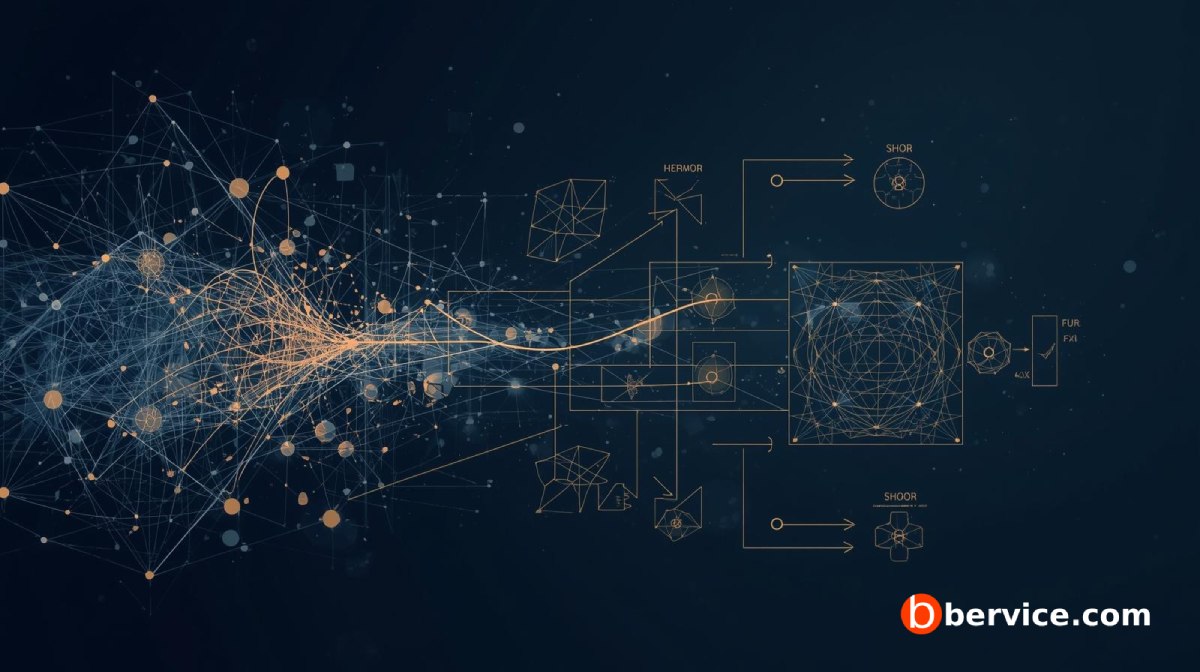
Understanding Shor’s and Grover’s Algorithms in Simple Terms
Power in Quantum Computing Quantum computing often sounds abstract and intimidating, but at its core, it introduces new ways of solving problems that classical computers struggle with. Two of the most famous examples are Shor’s Algorithm and Grover’s Algorithm. These algorithms clearly demonstrate why quantum computers are considered disruptive, especially for security, data search,…
-

Building a Safer Future in the Age of Accelerating Technology
1. We Are Building the Future, Whether We Intend to or Not Humanity is actively constructing the future through rapid technological progress. This future is not distant or abstract. It is unfolding in real time, shaped by exponential growth in computing power, connectivity, and automation. Every system we deploy today quietly defines the constraints…
-

Snifferless Stream Protocol A Non-Traceable Data Transmission Architecture for Ultra-Sensitive Communication
In a world where deep packet inspection (DPI), traffic fingerprinting, and behavioral analytics continuously evolve, traditional encryption is no longer sufficient to guarantee operational secrecy. Encryption protects content but it does not necessarily conceal metadata, structure, or transmission patterns. The Snifferless Stream Protocol introduces a different paradigm: not merely encrypting data, but eliminating recognizable…
-
Quantum Computing in Programming: The Shift Toward a New Computational Paradigm
Quantum computing isn’t a “future trend” anymore; it’s a structural shift in how we will write software, design algorithms, and think about computation itself. As quantum hardware slowly crosses the boundary from lab prototypes to early commercial machines, programmers are being pushed toward a new mindset one where uncertainty, superposition, and probabilistic outcomes are…