-
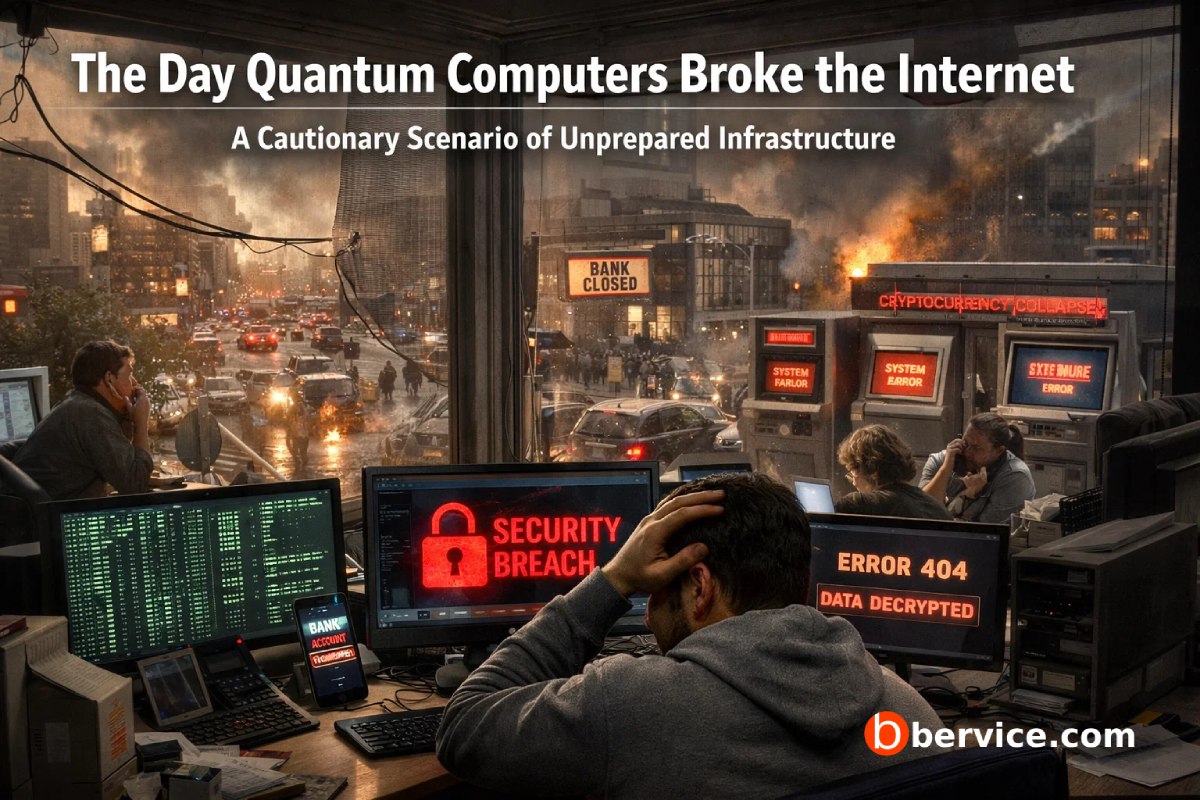
The Day Quantum Computers Broke the Internet
A Cautionary Scenario of Unprepared Infrastructure Prologue: The Morning Nothing Failed The day began quietly. No alarms. No warnings. Banks opened. Hospitals ran. Governments logged in.Every system reported green. Somewhere else, far from public dashboards and compliance reports, the first large scale fault tolerant quantum computer finished a calculation that classical machines would need…
-
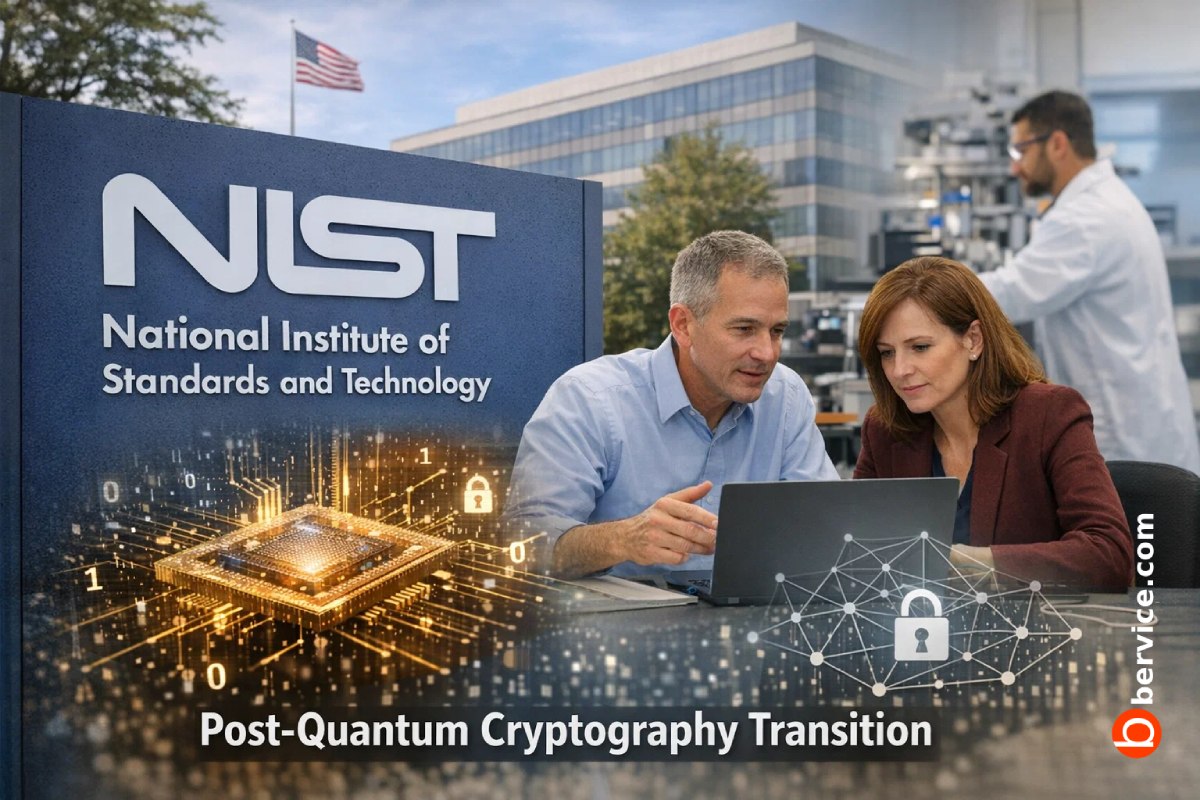
What Is NIST? Its Mission and Its Role in the Post-Quantum Cryptography Transition
Introduction As digital systems become more interconnected and long-lived, cryptography has shifted from being a purely technical concern to a matter of national infrastructure and global trust. One organization has played a central role in shaping how cryptography is standardized and adopted worldwide: National Institute of Standards and Technology, commonly known as NIST. In…
-
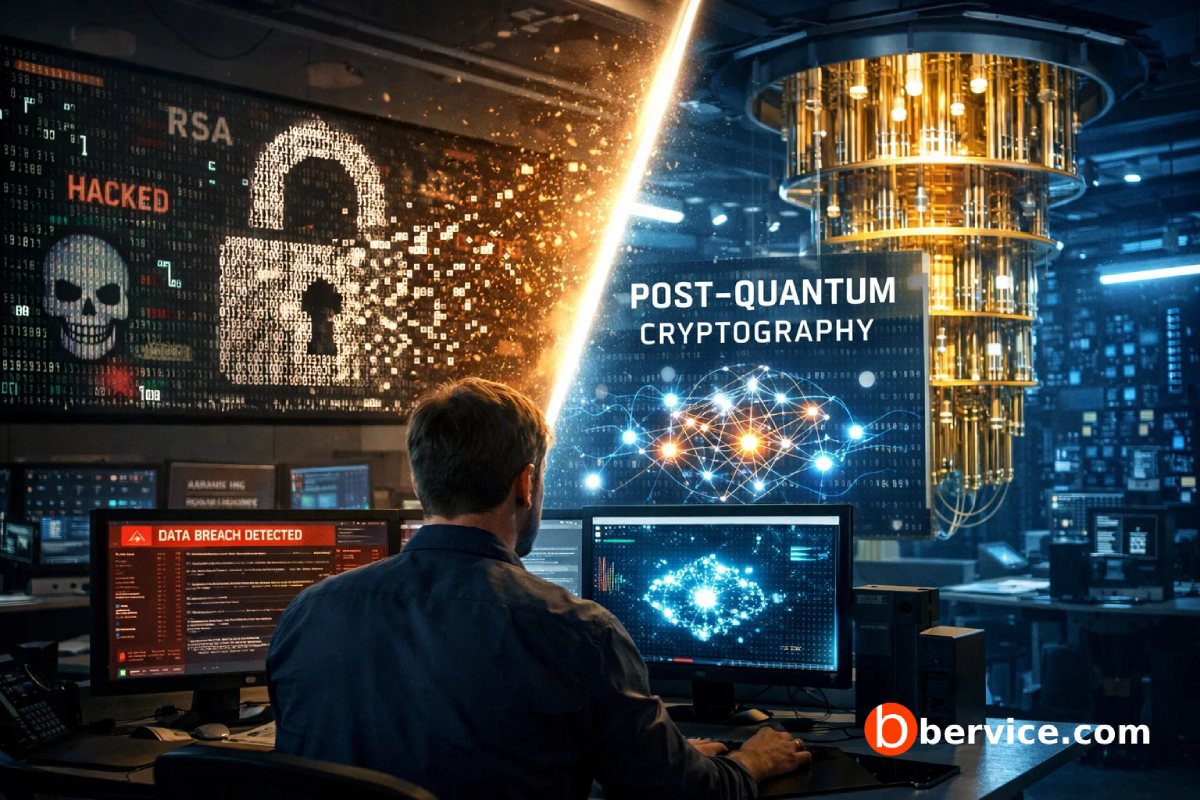
A Major Transformation in Cybersecurity Post Quantum Cryptography
Introduction The rapid advancement of quantum computing is reshaping the landscape of cybersecurity. While large-scale, fault-tolerant quantum computers are not yet widely available, their eventual emergence poses a serious threat to many of today’s cryptographic systems. Algorithms such as RSA, ECC, and Diffie–Hellman, which underpin global digital security, are vulnerable to quantum attacks most…
-
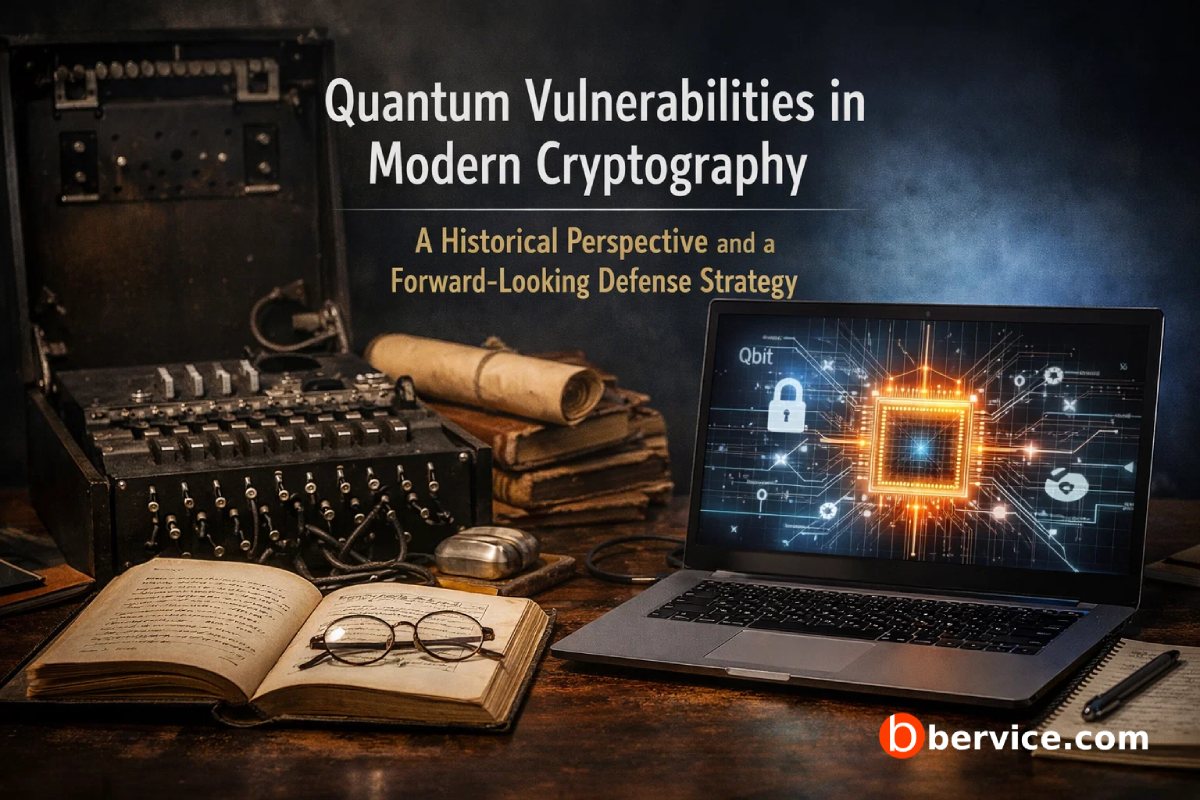
Quantum Vulnerabilities in Modern Cryptography
A Historical Perspective and a Forward-Looking Defense Strategy Introduction A Threat That Arrives Late but Strikes Early Quantum computing does not yet pose an operational threat to today’s cryptographic systems. No publicly known quantum computer can currently break RSA, ECC, or other widely deployed public-key schemes at meaningful scales.However, this apparent safety is deceptive.…
-

Post-Quantum Cryptography (PQC) Securing the Digital World Against Quantum Computers
Introduction Why Cryptography Must Evolve Modern digital security is built on cryptographic foundations such as RSA, ECC, and Diffie–Hellman. These algorithms protect everything from online banking and cloud storage to messaging apps and national infrastructure. However, the emergence of quantum computing threatens to undermine this foundation entirely. Quantum computers, once sufficiently powerful, will be…