-
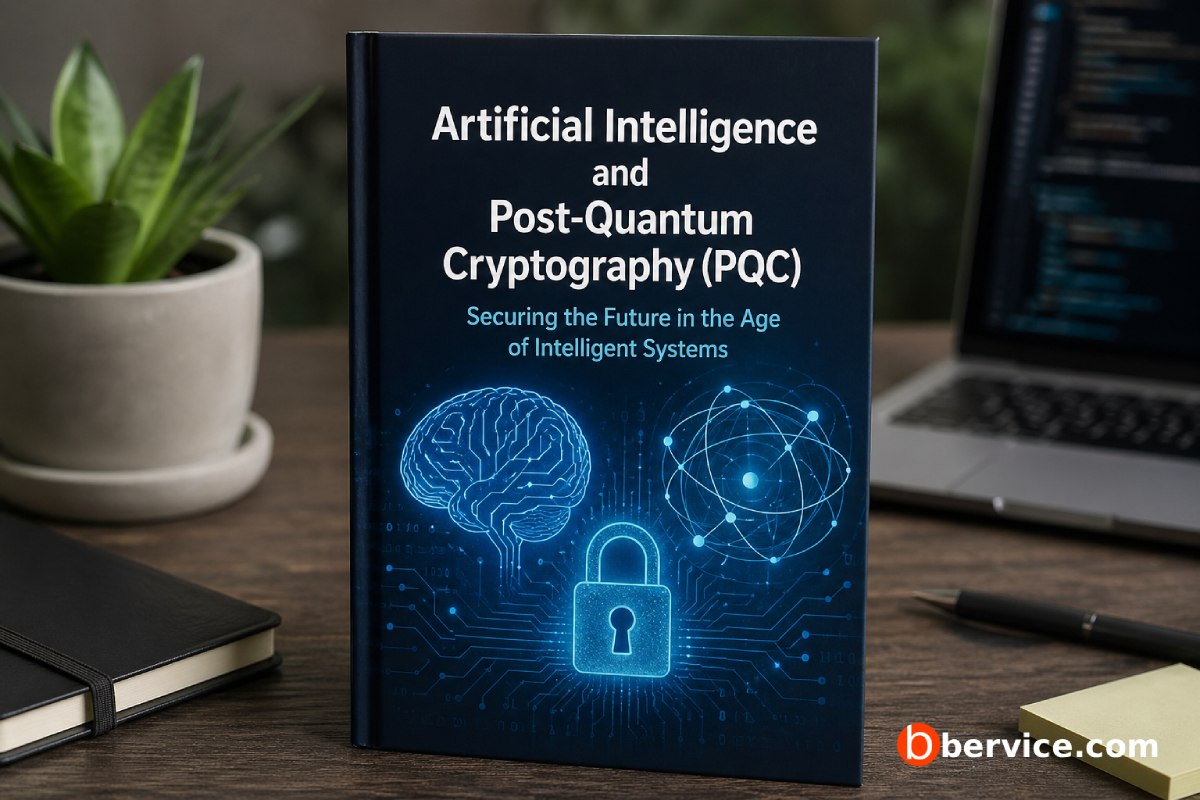
Artificial Intelligence and Post-Quantum Cryptography (PQC)
Securing the Future in the Age of Intelligent Systems 1. Introduction: Two Converging Frontiers Artificial Intelligence (AI) and Post-Quantum Cryptography (PQC) represent two of the most transformative technological forces shaping the future. While AI is accelerating automation, decision-making, and system intelligence, quantum computing threatens to break the very cryptographic foundations that secure today’s digital…
-
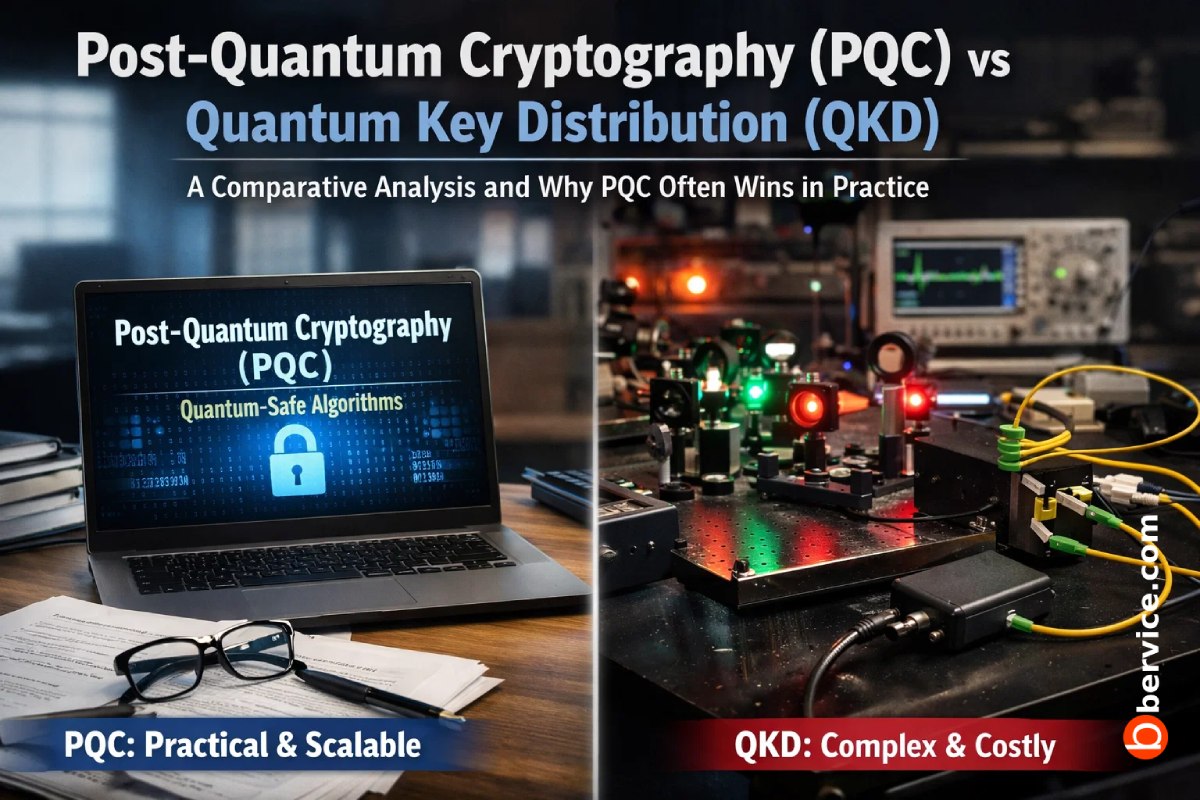
Post-Quantum Cryptography (PQC) vs Quantum Key Distribution (QKD) A Comparative Analysis and Why PQC Often Wins in Practice
1. Introduction: The Quantum Threat to Modern Cryptography Modern digital security relies heavily on cryptographic systems such as RSA and ECC. These systems are considered secure today but are fundamentally vulnerable to future quantum computers due to algorithms like Shor’s algorithm, which can efficiently break them. To address this existential threat, two primary paradigms…
-
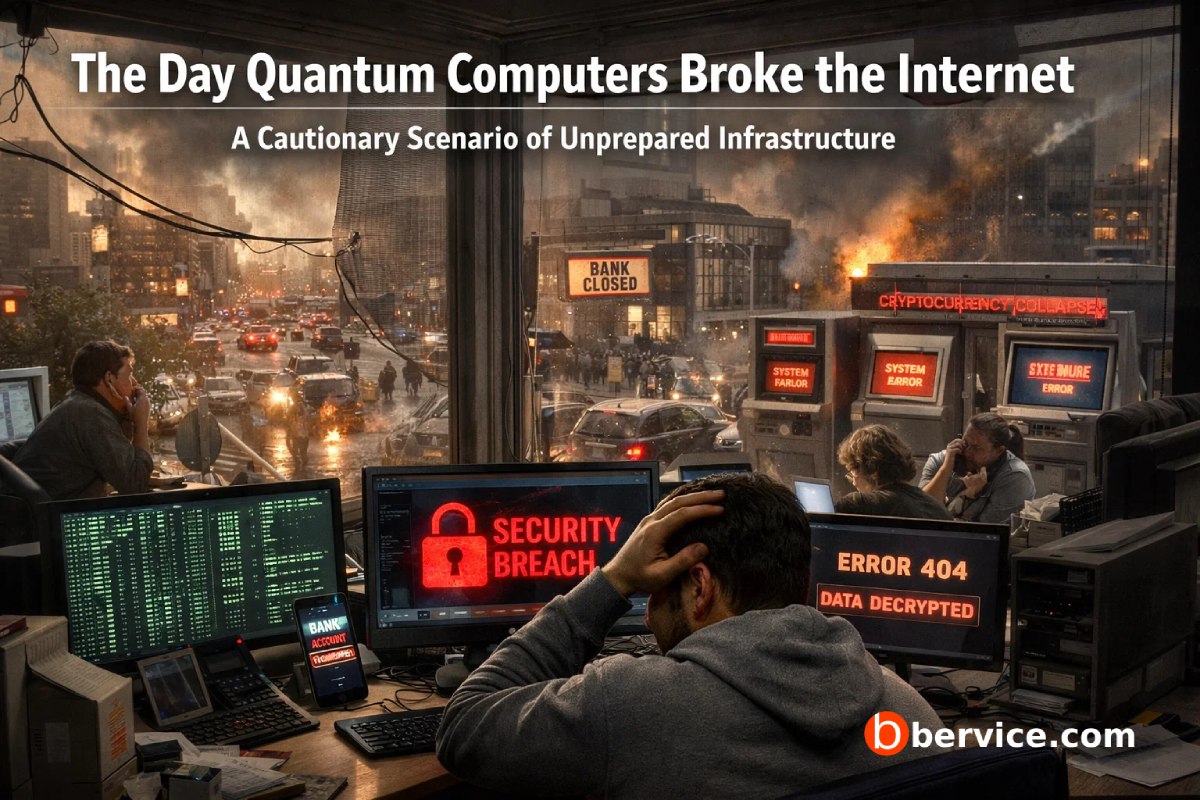
The Day Quantum Computers Broke the Internet
A Cautionary Scenario of Unprepared Infrastructure Prologue: The Morning Nothing Failed The day began quietly. No alarms. No warnings. Banks opened. Hospitals ran. Governments logged in.Every system reported green. Somewhere else, far from public dashboards and compliance reports, the first large scale fault tolerant quantum computer finished a calculation that classical machines would need…
-
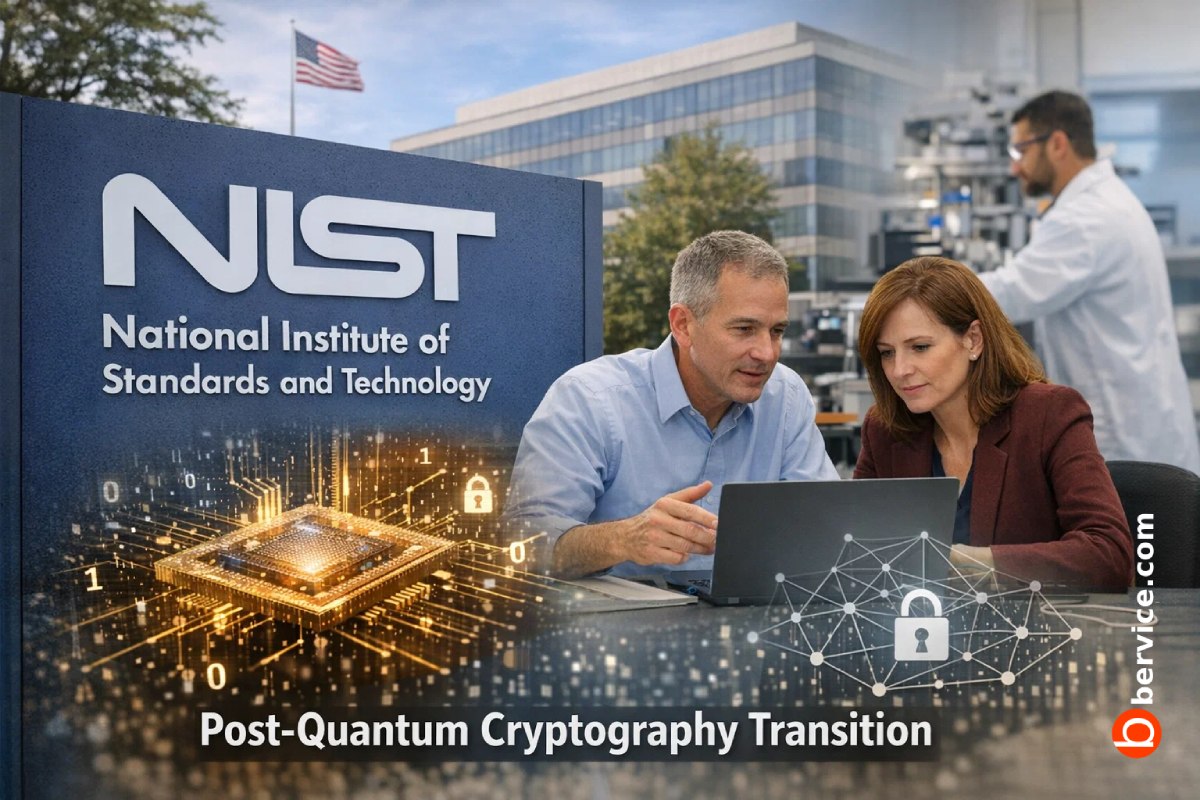
What Is NIST? Its Mission and Its Role in the Post-Quantum Cryptography Transition
Introduction As digital systems become more interconnected and long-lived, cryptography has shifted from being a purely technical concern to a matter of national infrastructure and global trust. One organization has played a central role in shaping how cryptography is standardized and adopted worldwide: National Institute of Standards and Technology, commonly known as NIST. In…
-
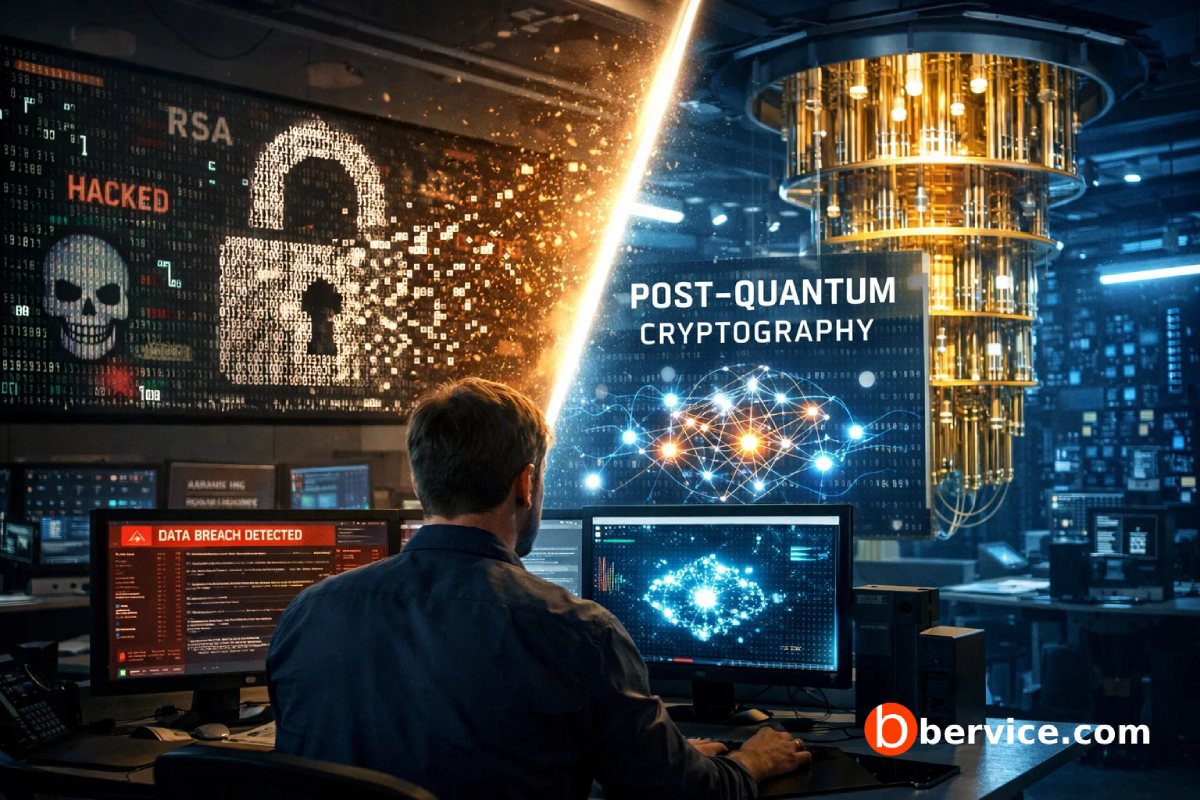
A Major Transformation in Cybersecurity Post Quantum Cryptography
Introduction The rapid advancement of quantum computing is reshaping the landscape of cybersecurity. While large-scale, fault-tolerant quantum computers are not yet widely available, their eventual emergence poses a serious threat to many of today’s cryptographic systems. Algorithms such as RSA, ECC, and Diffie–Hellman, which underpin global digital security, are vulnerable to quantum attacks most…