-
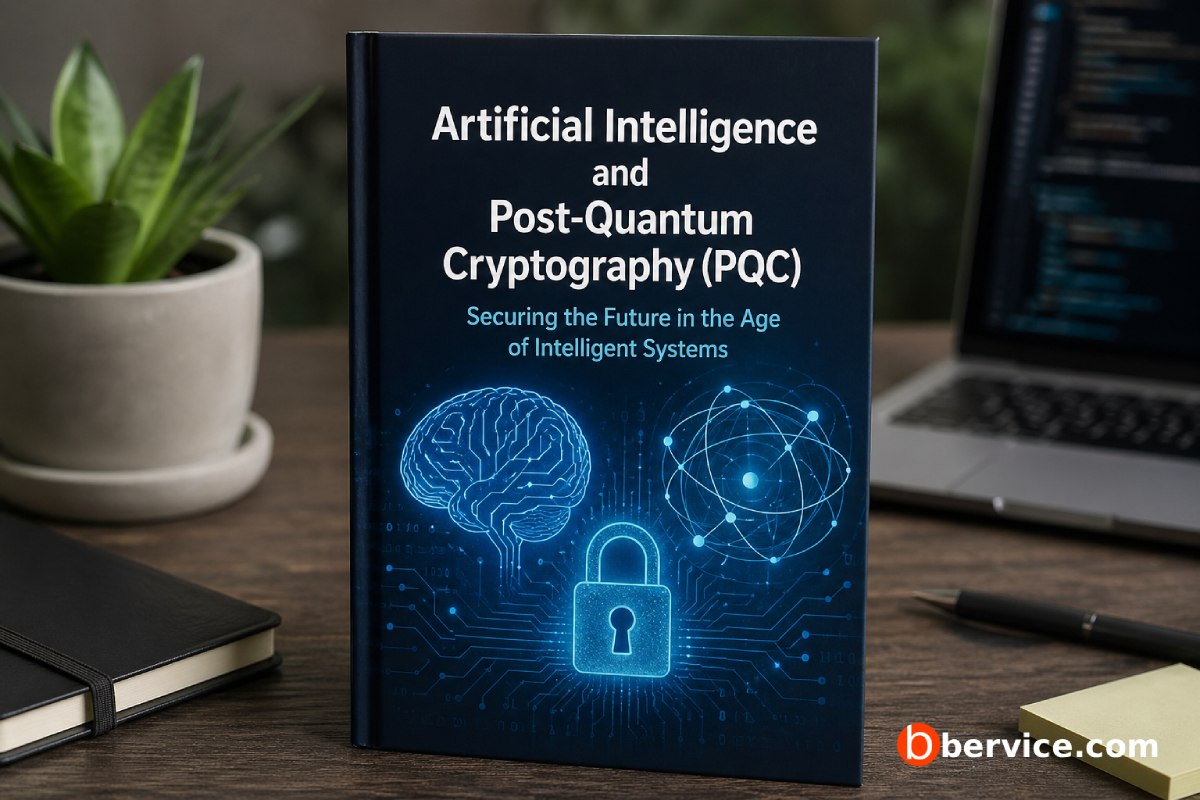
Artificial Intelligence and Post-Quantum Cryptography (PQC)
Securing the Future in the Age of Intelligent Systems 1. Introduction: Two Converging Frontiers Artificial Intelligence (AI) and Post-Quantum Cryptography (PQC) represent two of the most transformative technological forces shaping the future. While AI is accelerating automation, decision-making, and system intelligence, quantum computing threatens to break the very cryptographic foundations that secure today’s digital…
-
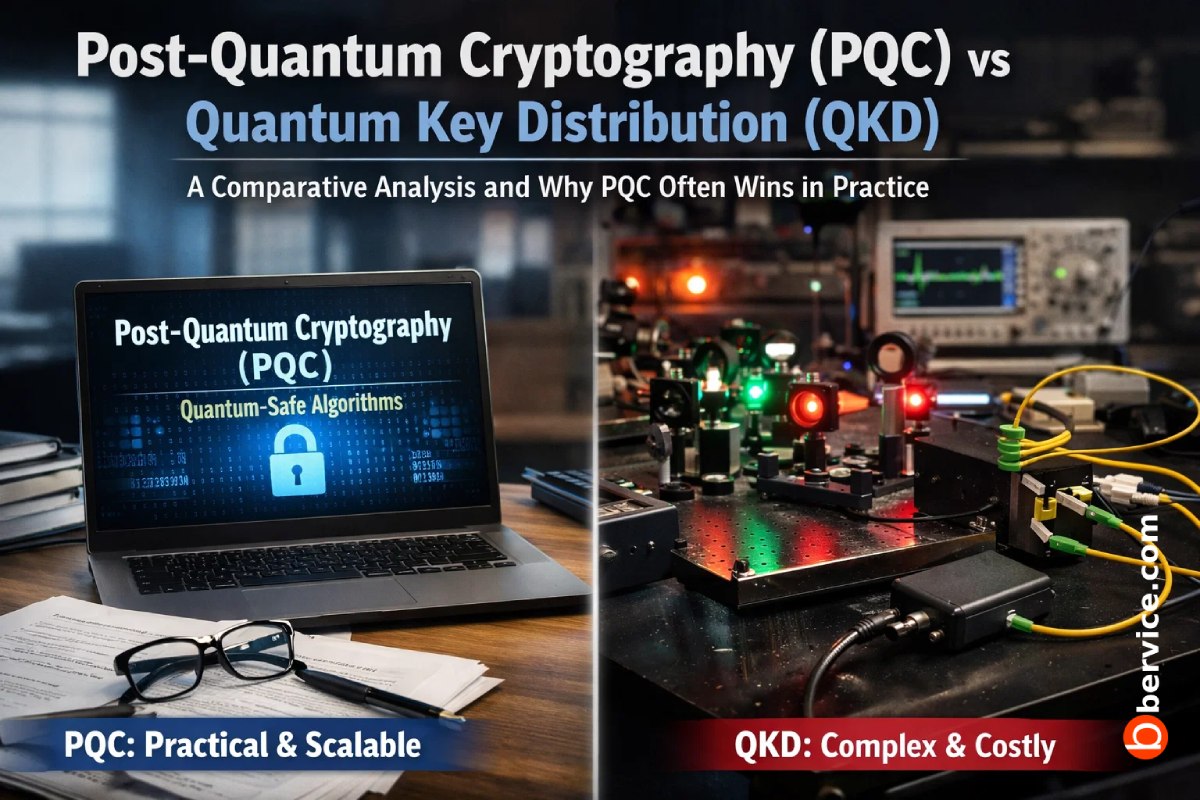
Post-Quantum Cryptography (PQC) vs Quantum Key Distribution (QKD) A Comparative Analysis and Why PQC Often Wins in Practice
1. Introduction: The Quantum Threat to Modern Cryptography Modern digital security relies heavily on cryptographic systems such as RSA and ECC. These systems are considered secure today but are fundamentally vulnerable to future quantum computers due to algorithms like Shor’s algorithm, which can efficiently break them. To address this existential threat, two primary paradigms…
-

Why Grover and Shor Didn’t “Change Everything” Yet
Realities, limitations, and common misconceptions about quantum algorithms Introduction Grover’s search algorithm and Shor’s factoring algorithm are often presented as the two “killer apps” of quantum computing. They are elegant, mathematically powerful, and genuinely important milestones in the history of computation. Yet many people notice something confusing: decades after these algorithms were discovered, the…
-
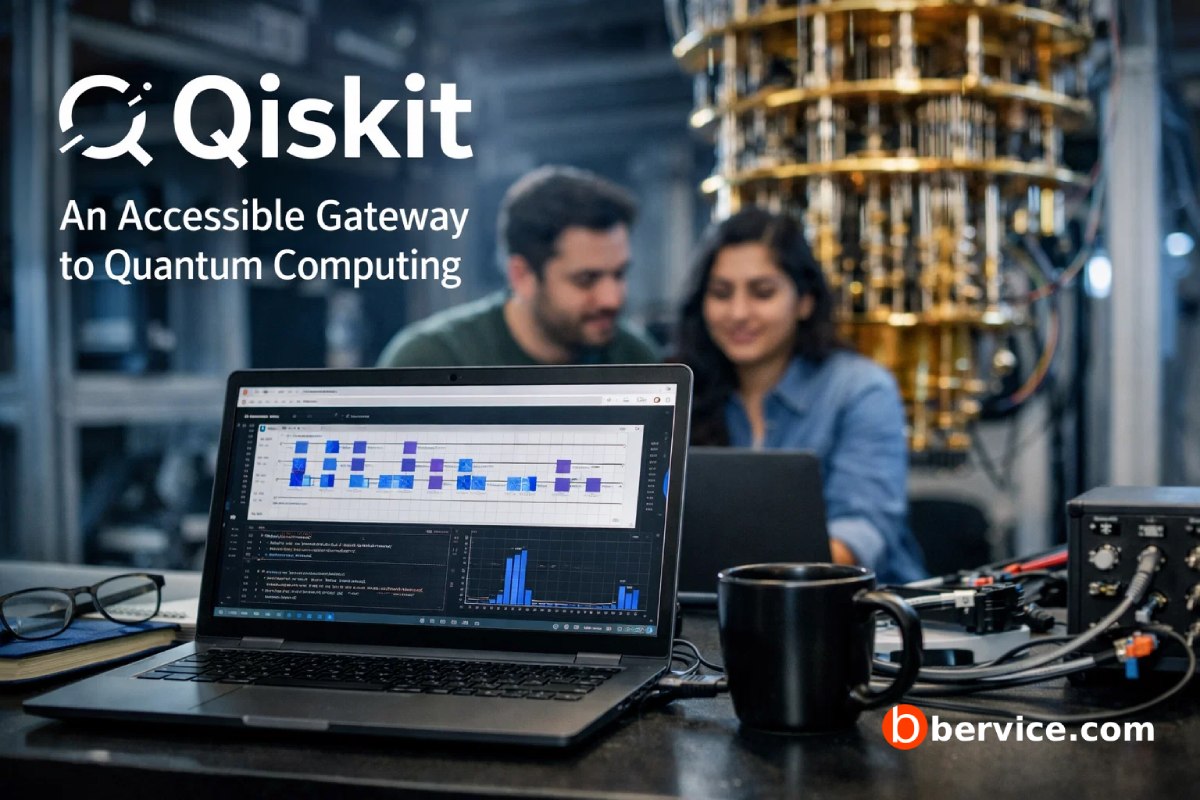
Qiskit An Accessible Gateway to Quantum Computing
Introduction to Qiskit in Simple Terms Quantum computing is often described as complex and difficult to understand. However, tools like Qiskit are designed to make this advanced technology more accessible to everyone. Qiskit is an open source software development kit that helps people learn, design, and run quantum programs in a practical way. It…
-
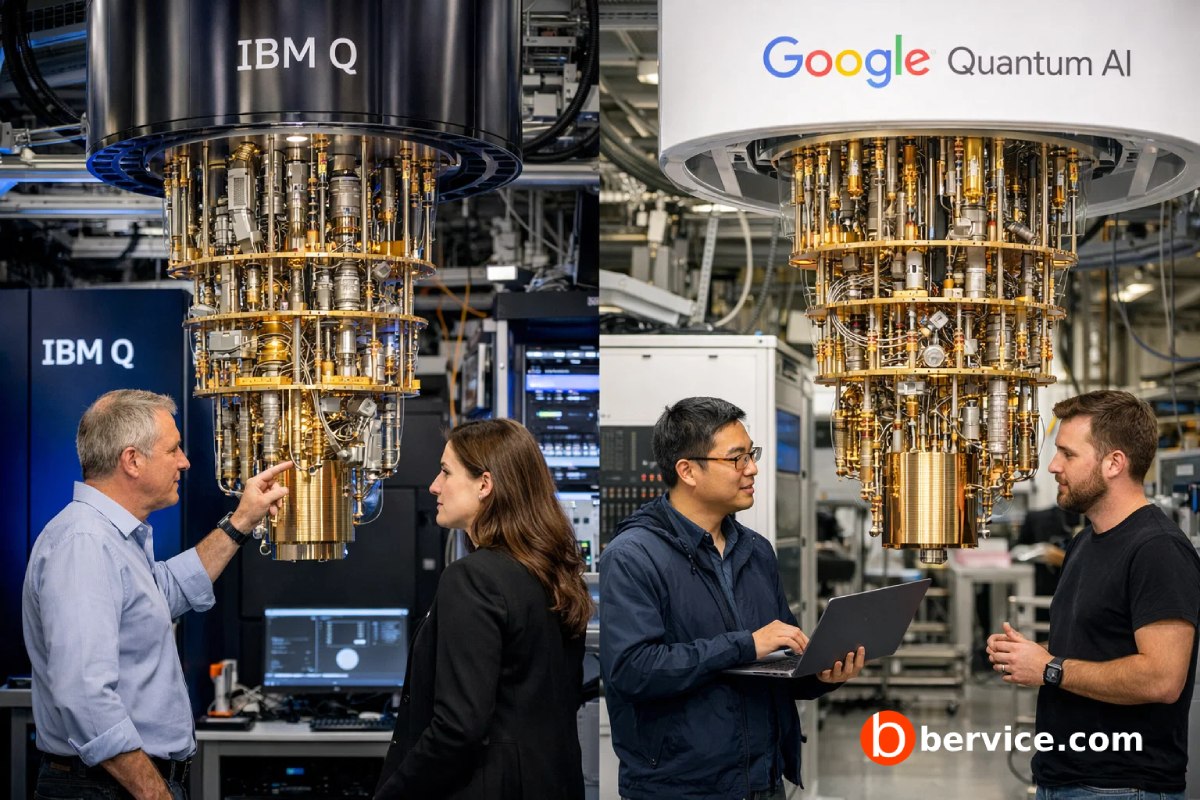
The Role of IBM and Google in Building Quantum Computing Infrastructure
Quantum computing is often described through eye catching milestones like qubit counts or headline demonstrations of “quantum advantage.” But the real long term race is infrastructure: the hardware engineering, control stacks, software toolchains, cloud access models, error correction strategy, and integration with classical high performance computing that collectively turn fragile lab devices into usable…