-
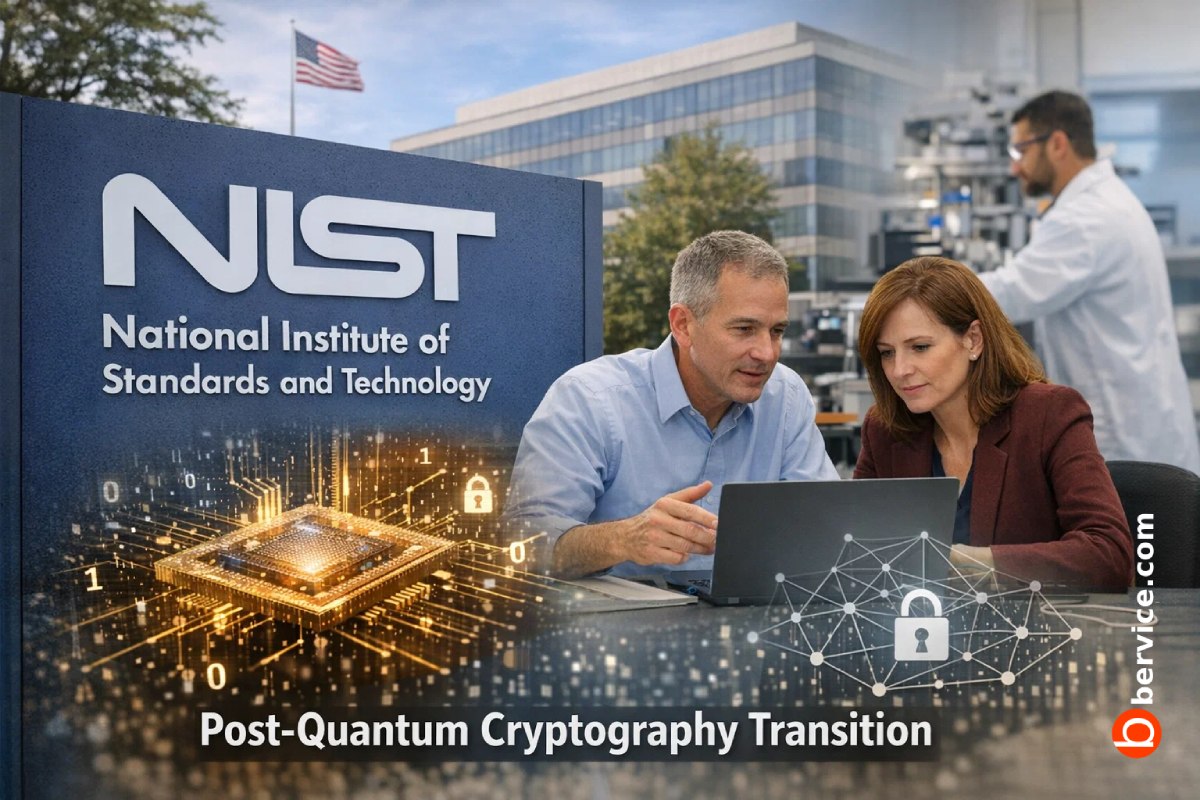
What Is NIST? Its Mission and Its Role in the Post-Quantum Cryptography Transition
Introduction As digital systems become more interconnected and long-lived, cryptography has shifted from being a purely technical concern to a matter of national infrastructure and global trust. One organization has played a central role in shaping how cryptography is standardized and adopted worldwide: National Institute of Standards and Technology, commonly known as NIST. In…
-

Quantum-Safe API Architecture Designing APIs Resistant to Quantum Computing Threats
Introduction: Why Quantum-Safe APIs Matter The rapid progress of quantum computing represents a structural threat to today’s digital security. Most modern APIs rely directly or indirectly on classical public-key cryptography such as RSA and Elliptic Curve Cryptography (ECC). These systems are secure against classical computers but become fundamentally vulnerable once sufficiently powerful quantum computers…
-
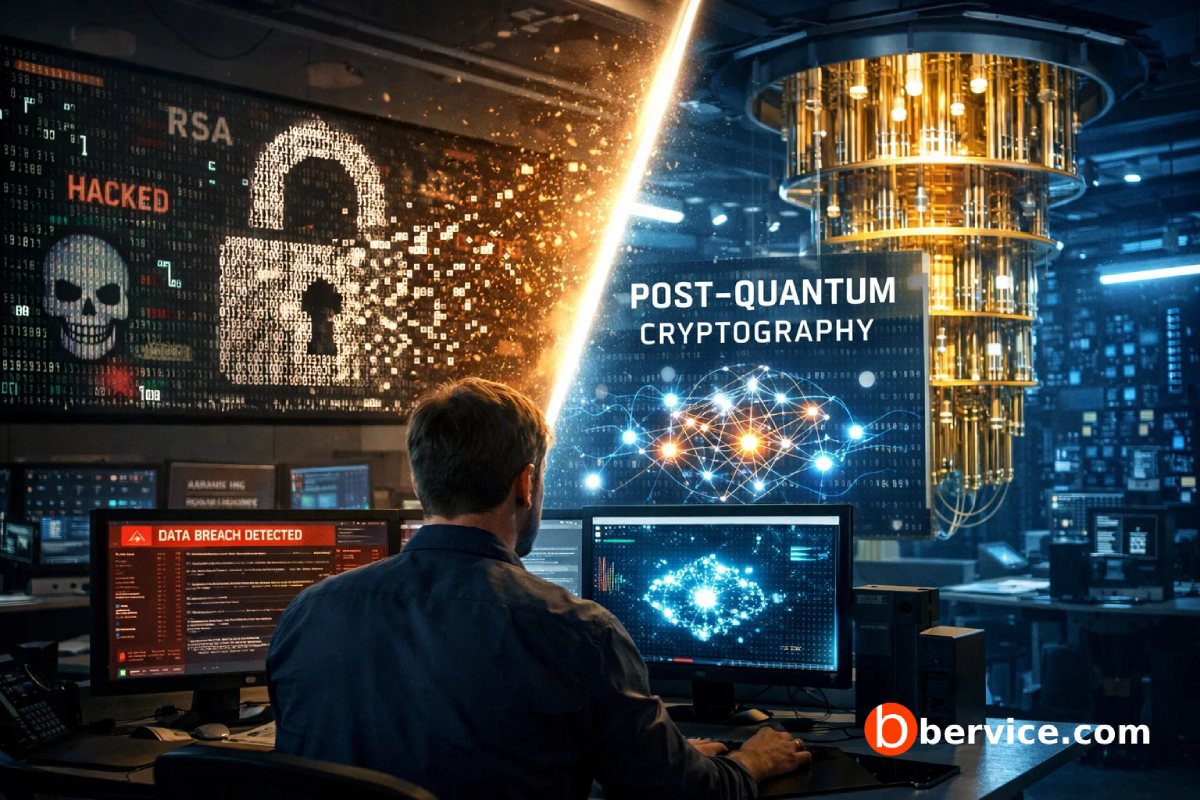
A Major Transformation in Cybersecurity Post Quantum Cryptography
Introduction The rapid advancement of quantum computing is reshaping the landscape of cybersecurity. While large-scale, fault-tolerant quantum computers are not yet widely available, their eventual emergence poses a serious threat to many of today’s cryptographic systems. Algorithms such as RSA, ECC, and Diffie–Hellman, which underpin global digital security, are vulnerable to quantum attacks most…
-
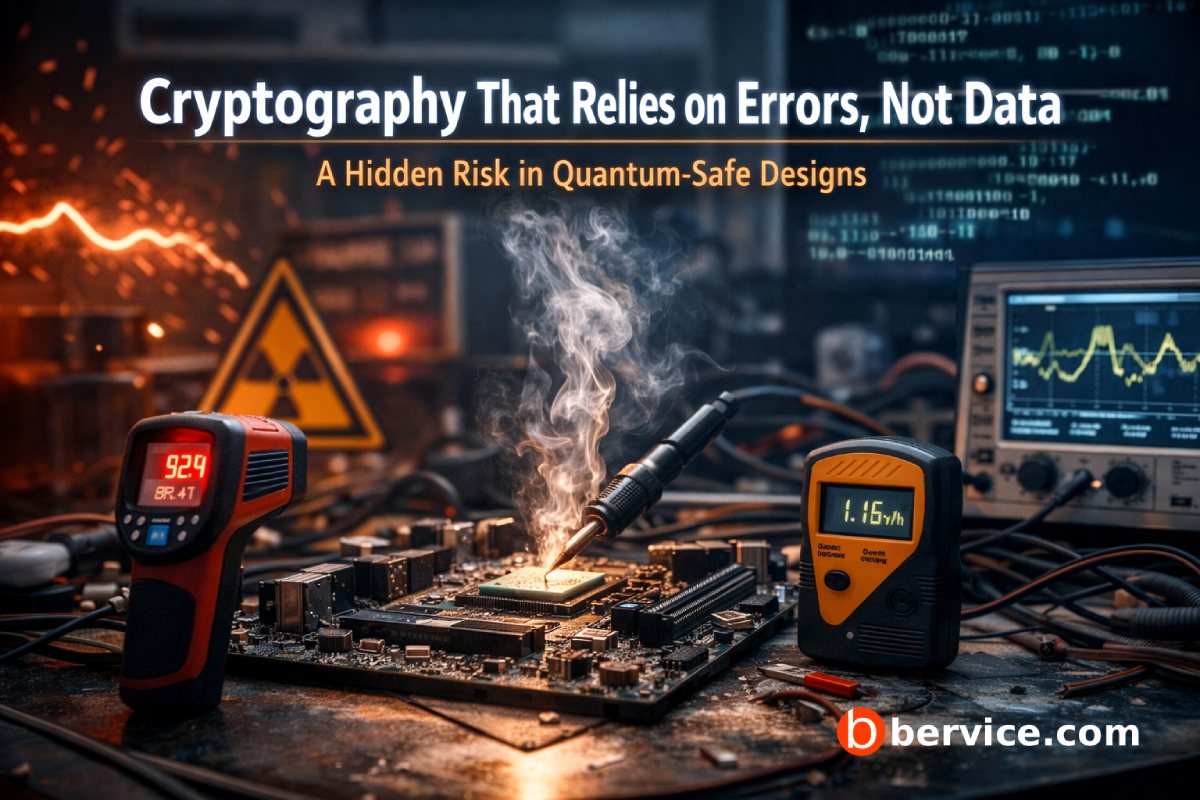
Cryptography That Relies on Errors, Not Data
A Hidden Risk in Quantum-Safe Designs As the cryptographic world prepares for the post-quantum era, much of the focus has shifted toward algorithms believed to be resistant to quantum attacks. Among the most prominent of these are noise-based constructions, particularly lattice-based cryptography. These systems promise security not from secrecy of data, but from mathematical…
-
When Encryption Depends on Errors, Not Data
A Critical Look at Noise-Based Security in Quantum-Safe Cryptography Introduction: Security Built on Uncertainty Quantum-safe cryptography was designed to survive a future where quantum computers break today’s public-key systems. To achieve this, many post-quantum schemes rely not on number-theoretic hardness, but on structured randomness, often referred to as noise.At first glance, this sounds elegant:…