-
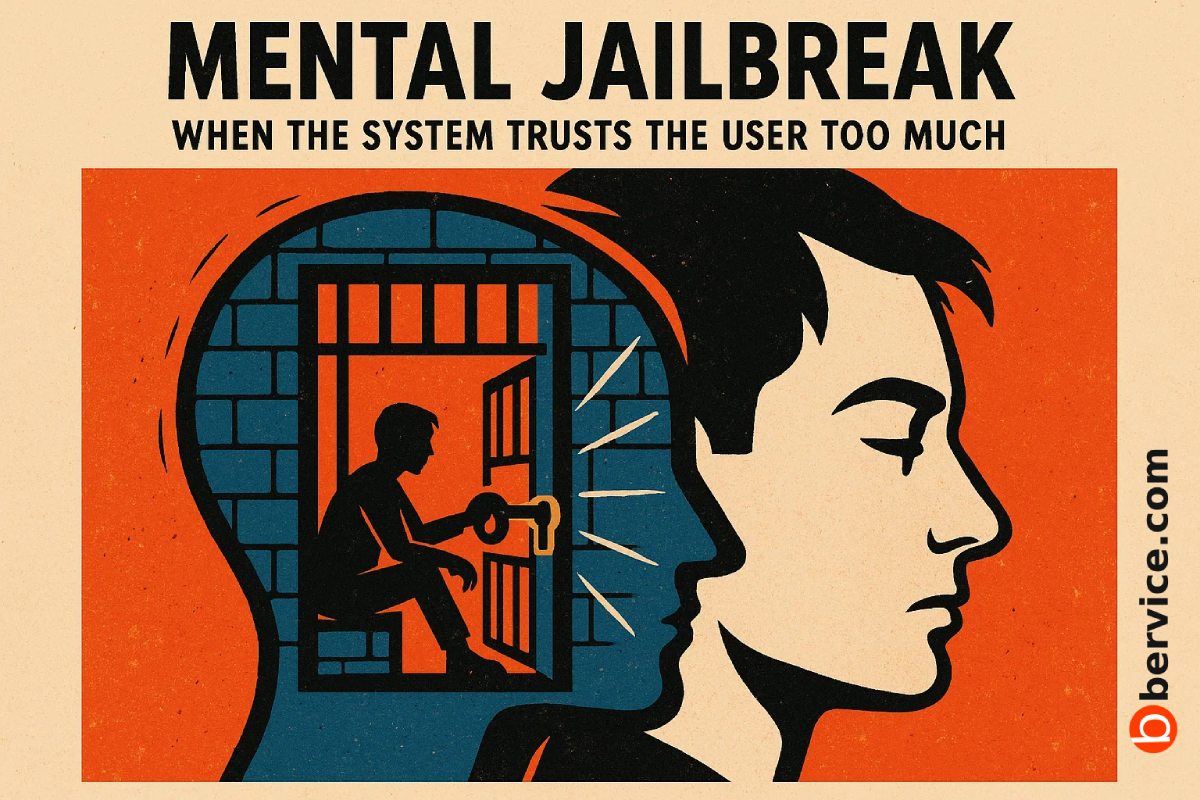
Mental Jailbreak: When the System Trusts the User Too Much
Modern mobile operating systems are designed around one fundamental assumption: the user is both the owner and the greatest threat to the device. This paradox is at the core of every security model in Android and iOS. While vendors invest heavily in sandboxing, mandatory access control, and kernel hardening, a single decision made by…
-
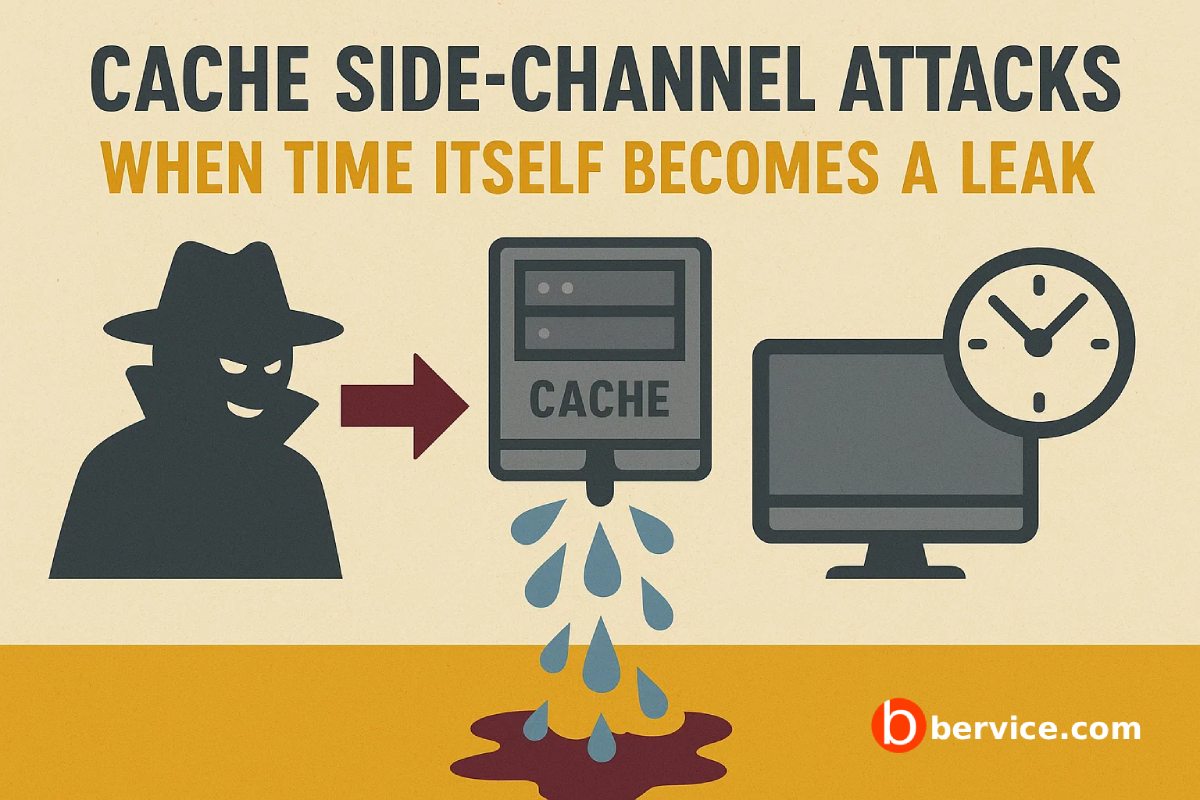
Cache Side-Channel Attacks: When Time Itself Becomes a Leak
Modern computing systems rely on multilayered memory hierarchies designed for speed, not secrecy. CPU caches — L1, L2, L3 — exist to accelerate access to frequently used data. But that optimization introduces a blind spot: timing differences. Attackers can observe tiny delays in memory access and extract information that should never be accessible. No…
-

Hidden Log Manipulation & Tamper Chains: Why Modern Systems Fail Without Cryptographically Verifiable Logging
In any distributed system, logs are the only surviving witnesses when something goes wrong. Code can fail silently, containers can restart, agents can hang, and monitoring dashboards can mislead, but logs capture ground truth — or at least, that’s the assumption. In reality, logs are frequently the weakest security link, and adversaries know this.…
-

Hypervisor-level Exploits: Why VM Isolation Isn’t a Silver Bullet
Virtualization is everywhere: cloud providers, enterprise datacenters, developer laptops, CI runners. It looks safe — each workload sits in its own virtual machine (VM), separated by the hypervisor. That visual separation lulls engineers into false confidence. Here’s the blunt truth: if the hypervisor breaks, your isolation is meaningless. Hypervisor-level exploits (VM escape, hypervisor compromise,…