-

Ghost Code Processes That No Longer Exist Yet Still Run
Introduction In operating systems, death is not always final. A process may terminate its execution, release most of its resources, and yet continue to “exist” in a suspended, ghost-like state. These so-called zombie processes are not active in the traditional sense they do not consume CPU cycles or execute instructions but they remain recorded…
-
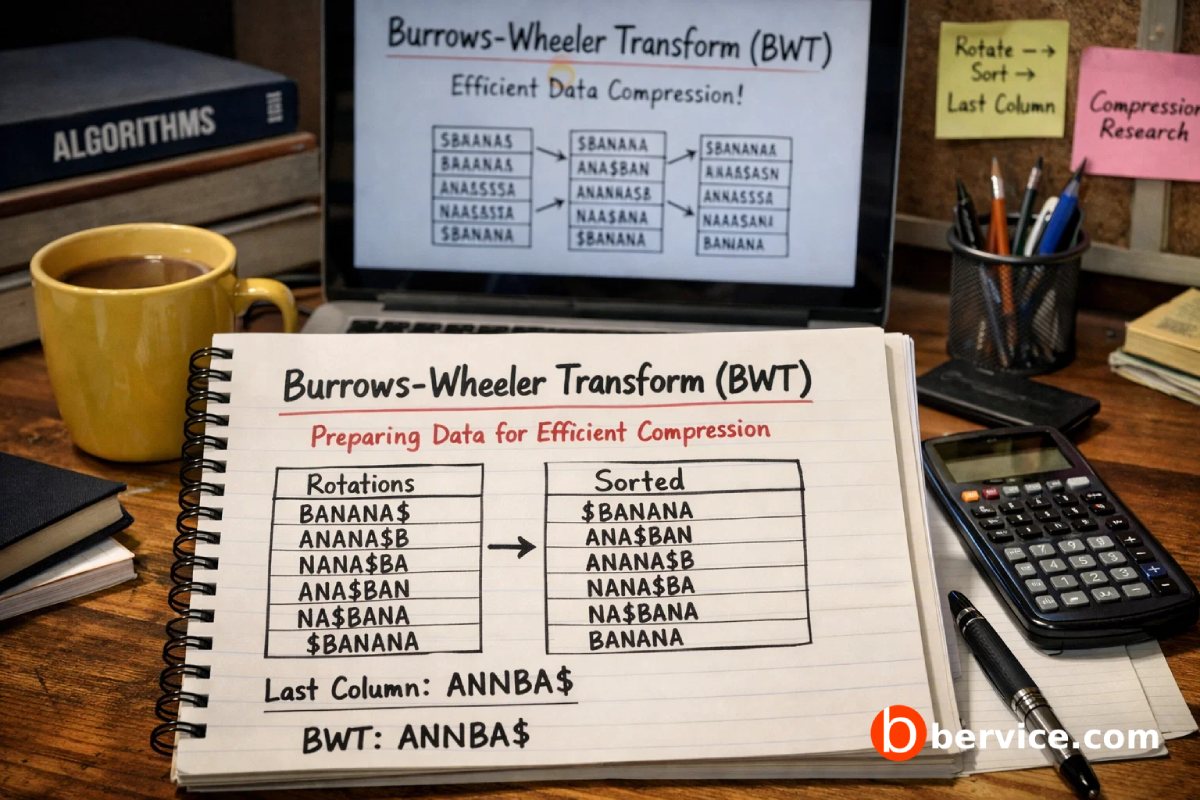
Burrows Wheeler Transform BWT Preparing Data for Efficient Compression
Introduction Data compression is not only about reducing file size it is about transforming data into a form that can be encoded more efficiently. One of the most elegant examples of this idea is the Burrows–Wheeler Transform (BWT). Unlike traditional compression algorithms that directly reduce data size, BWT is a reversible data transformation that…
-

Enhancing Security in Mobile Application Development
With the rapid growth of mobile applications across all industries, security has become one of the most critical concerns for developers and organizations alike. Mobile apps often handle sensitive user data such as personal information, financial details, and authentication credentials. Any security flaw can lead to data breaches, unauthorized access, and severe damage to…
-

VxWorks: The Hidden Brain Behind Spacecraft, Robots, and Mission-Critical Systems
When people think about space exploration, they imagine rockets, rovers, and distant planets. Rarely do they think about the operating system quietly running in the background making real-time decisions where even a millisecond delay or a single fault could mean mission failure. Behind many of humanity’s most demanding machines lies VxWorks, a real-time operating…
-

Static Code Analysis: Catching Bugs Before Your Code Ever Runs
When developers talk about software quality, they often focus on testing after the code is written and executed. That mindset is incomplete. Static Code Analysis attacks problems before execution when fixing them is cheaper, faster, and far less risky. If you’re serious about scalable, secure, and maintainable software, static analysis is not optional. It’s…