-

CQRS in Enterprise Systems Why Separation of Read and Write Paths Actually Matters
In large-scale enterprise environments, most architectures fail not because the code is messy, but because the responsibilities are. CQRS (Command Query Responsibility Segregation) fixes that problem by enforcing a hard separation between read and write operations something traditional CRUD systems tend to blur until performance collapses under real-world traffic. 1. The Core Philosophy: Stop…
-

Code Running on Living Metal When Hardware Stops Playing by the Rules
Software engineers love to believe their code runs in a clean, deterministic universe. But once you drop below the OS layer and step onto bare metal, that illusion collapses. Microcontrollers, avionics systems, and industrial controllers operate inside physics not logic and physics doesn’t care about your abstractions. 1. Hardware Is Not a Perfect Machine…
-
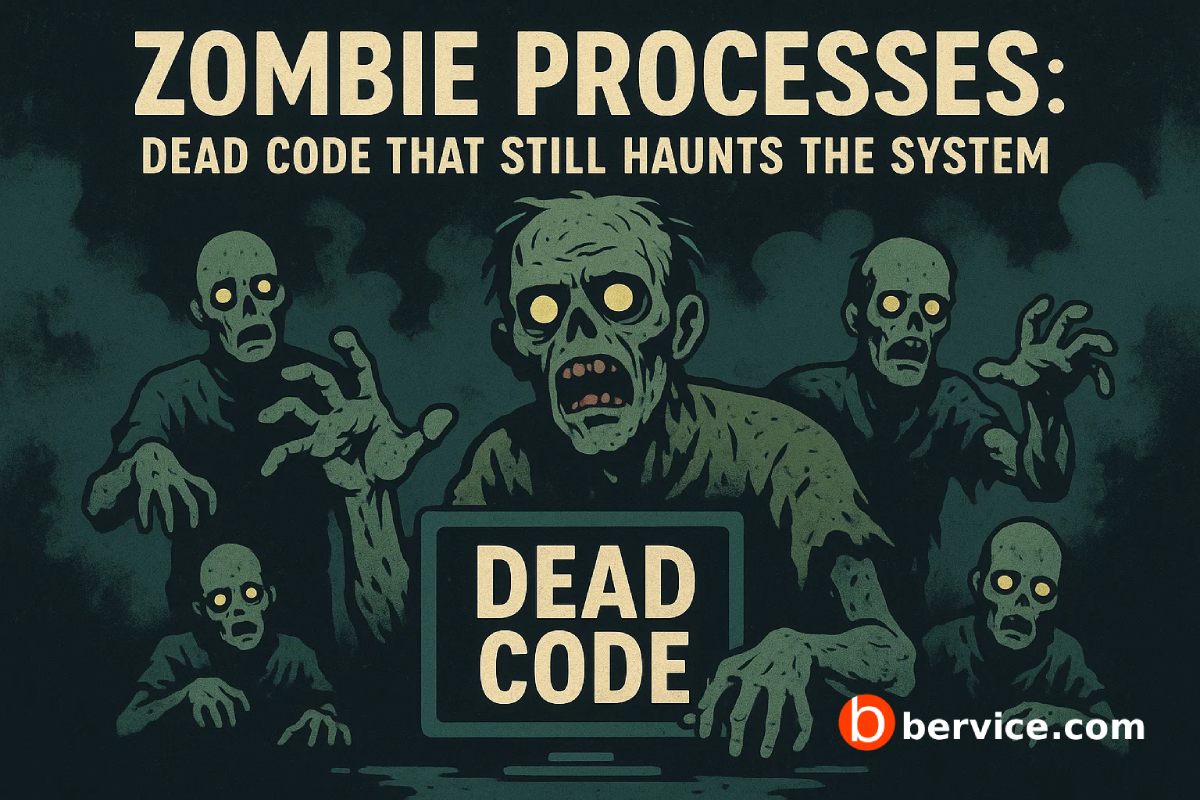
Zombie Processes: Dead Code That Still Haunts the System
In operating systems, not every threat is loud. Some are silent, subtle, and buried deep in the process table. Zombie processes fall exactly into that category: tasks that have already finished execution but refuse to disappear. They’re technically dead, yet still present a residue of poor process management that can grow into a system-wide…
-

System-Wide Exception Management in Distributed Architectures
Distributed systems don’t fail gracefully they fail loudly and non-linearly. A single unhandled exception in one microservice can trigger a chain reaction that takes down queues, overloads upstream dependencies, and ultimately collapses the entire platform. Effective exception management in this environment is not about catching errors; it’s about designing an architecture that absorbs failures…
-

Escaping Deadlocks in Transactional Databases: Practical Strategies for Real Systems
Deadlocks aren’t theoretical annoyances they’re workflow killers. In a transactional database, a single deadlock loop can freeze critical operations, force retries at scale, and cripple overall throughput. Teams that treat deadlocks as “rare accidents” eventually pay the price. The reality is simple: if your application uses locks, your system is already vulnerable. 1. Why…