-

How Artificial Intelligence Can Reduce Startup Operating Costs by Up to 40%
The New Economics of Startup Efficiency In the modern technology startup environment, survival is no longer determined only by innovation, funding, or speed to market. It is increasingly shaped by operational efficiency. Startups often burn capital not because their ideas are weak, but because their internal processes are fragmented, repetitive, and overly dependent on…
-

Local AI as the Most Secure Path to Trust for Companies Especially Startups
In an era where data is the most valuable asset a company holds, trust has become the defining currency of modern business. For startups in particular, this trust is fragile. A single data breach, a misused API, or an unclear data policy can permanently damage credibility. Against this backdrop, local artificial intelligence (local AI)…
-
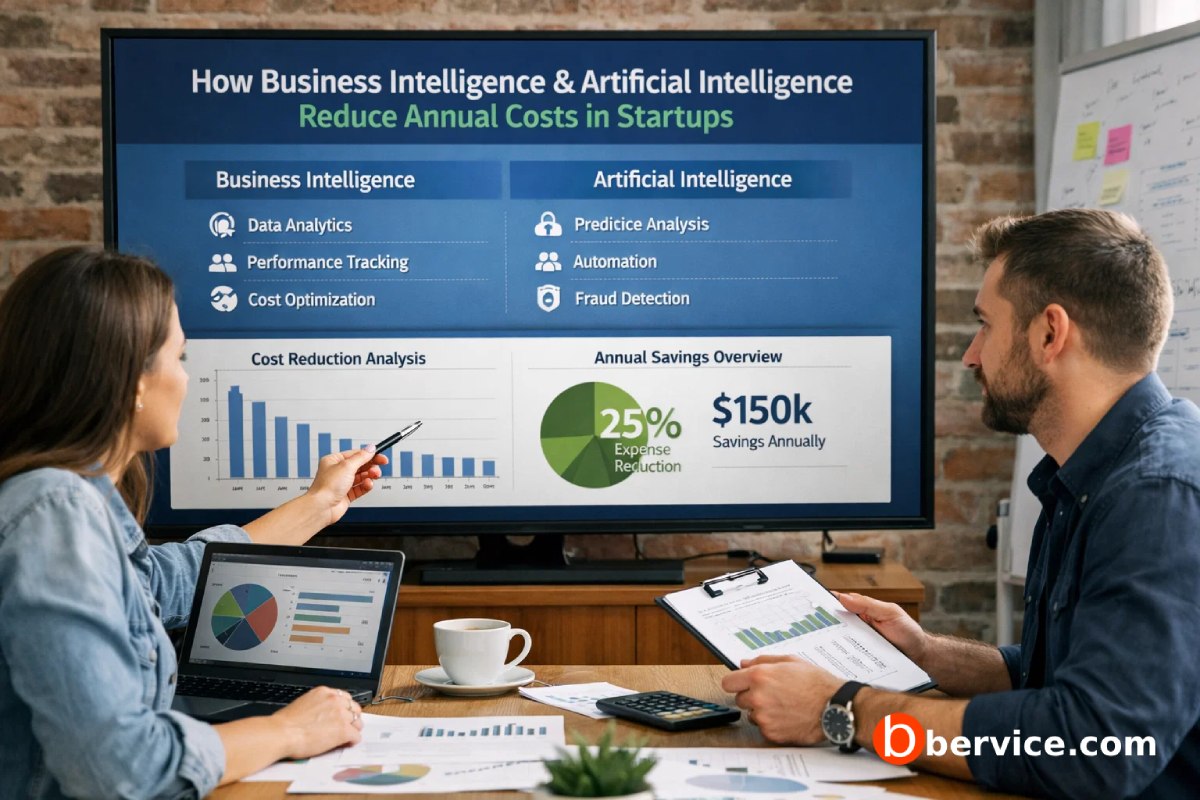
How Business Intelligence and Artificial Intelligence Reduce Annual Costs in Startups
Introduction Startups operate under constant pressure to optimize resources while scaling efficiently. Limited budgets, uncertain markets, and the need for rapid iteration make cost management a critical success factor. In this environment, combining Business Intelligence (BI) and Artificial Intelligence (AI) creates a powerful framework for reducing unnecessary expenses while improving decision quality. Rather than…
-

How Tech Startups Can Integrate AI to Build More Focused and Efficient Teams
Artificial Intelligence is often discussed as a tool for automation, but for technology startups its deeper value lies in improving how teams think, prioritize, and evolve. Early-stage companies operate with limited resources, small teams, and high uncertainty. In such environments, inefficient decision-making or misaligned team development can quickly slow growth. When implemented carefully, AI…
-
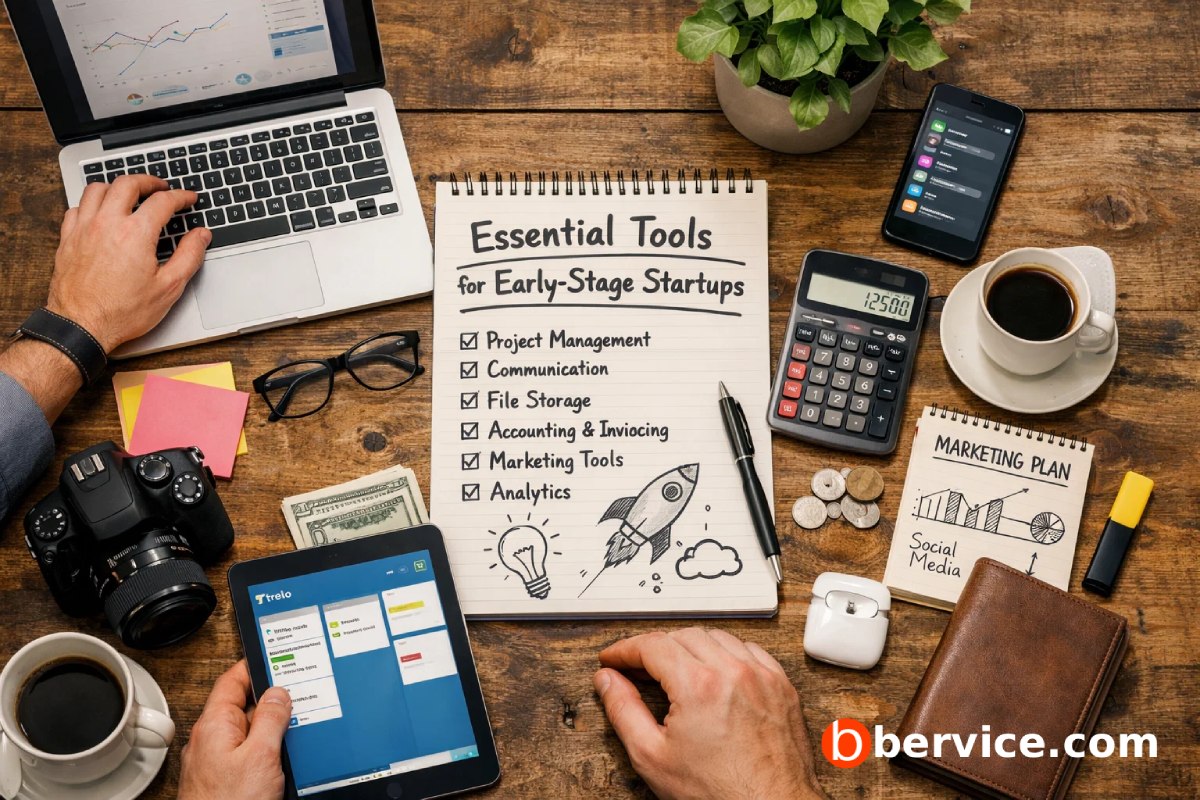
Essential Tools for Early-Stage Startups
A Practical Stack for Tech and SaaS Product Companies Starting a technology startup or a SaaS product company involves far more than building software. Early-stage founders must manage product development, team collaboration, customer communication, infrastructure, analytics, and financial operations simultaneously. Without the right foundational tools, even talented teams can waste significant time on operational…