-
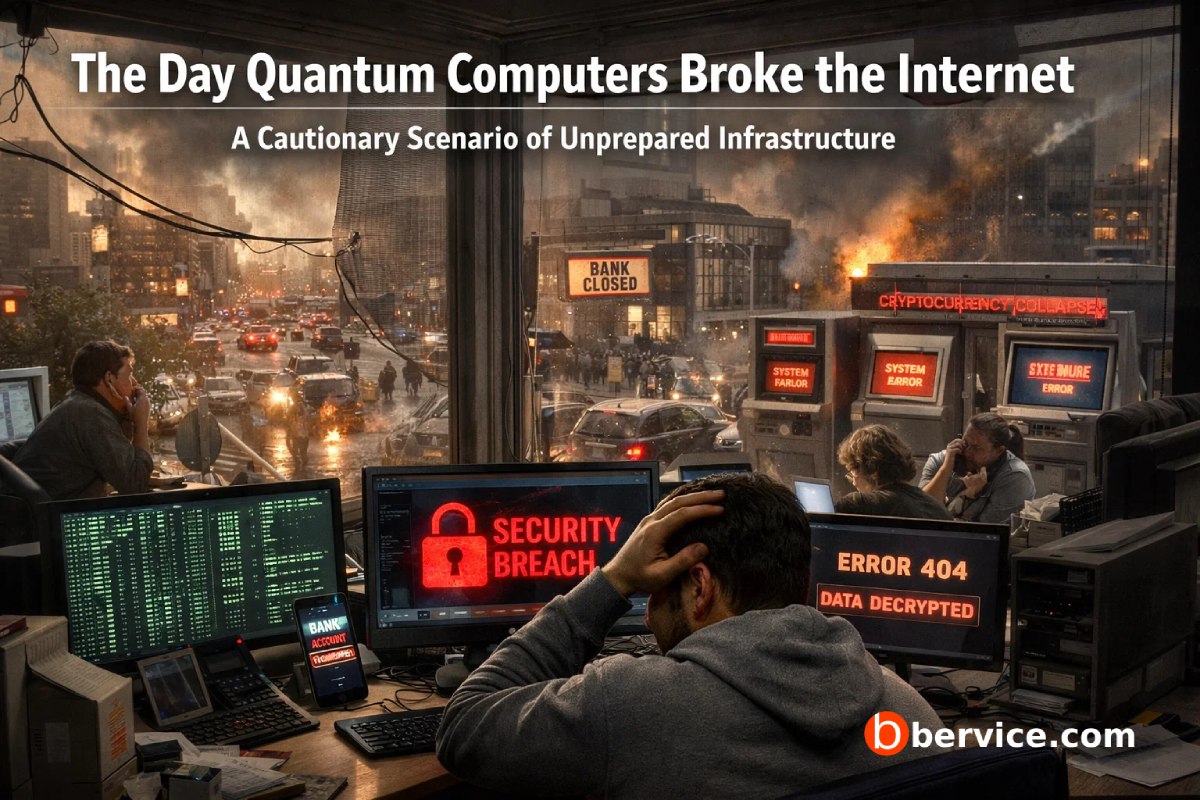
The Day Quantum Computers Broke the Internet
A Cautionary Scenario of Unprepared Infrastructure Prologue: The Morning Nothing Failed The day began quietly. No alarms. No warnings. Banks opened. Hospitals ran. Governments logged in.Every system reported green. Somewhere else, far from public dashboards and compliance reports, the first large scale fault tolerant quantum computer finished a calculation that classical machines would need…
-

Quantum-Safe API Architecture Designing APIs Resistant to Quantum Computing Threats
Introduction: Why Quantum-Safe APIs Matter The rapid progress of quantum computing represents a structural threat to today’s digital security. Most modern APIs rely directly or indirectly on classical public-key cryptography such as RSA and Elliptic Curve Cryptography (ECC). These systems are secure against classical computers but become fundamentally vulnerable once sufficiently powerful quantum computers…
-
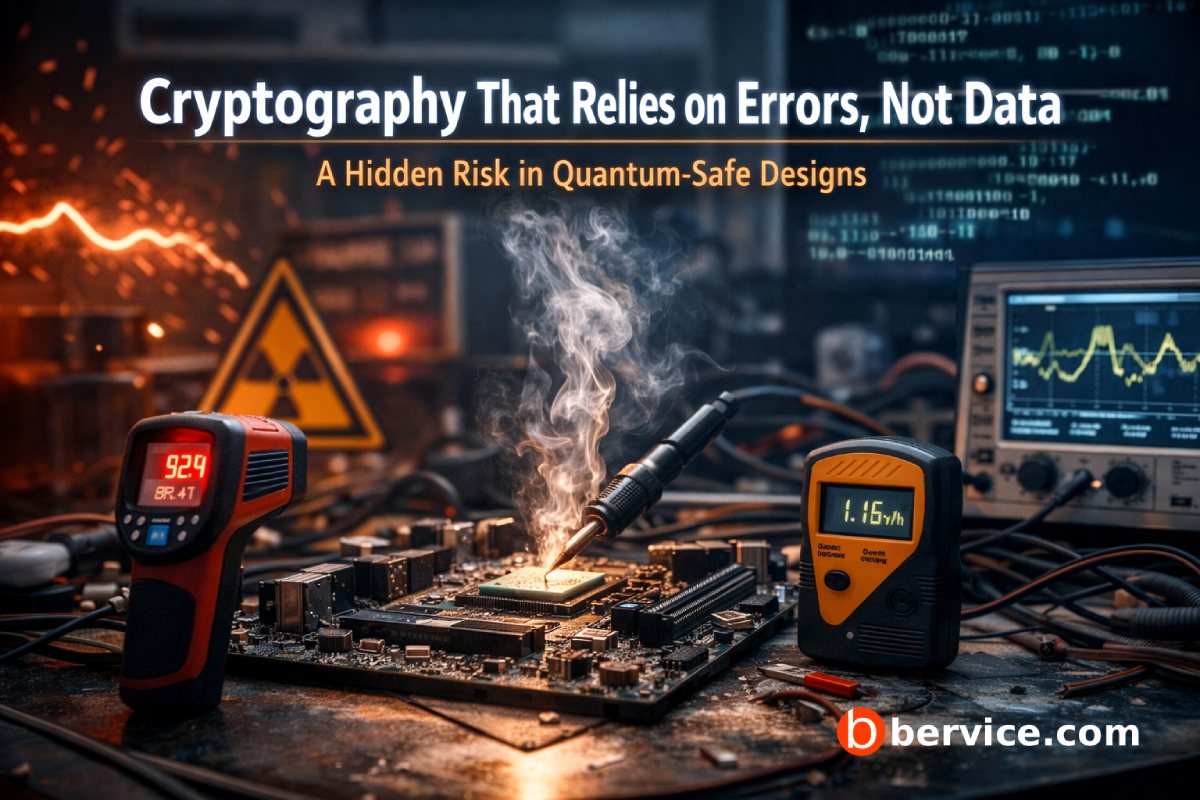
Cryptography That Relies on Errors, Not Data
A Hidden Risk in Quantum-Safe Designs As the cryptographic world prepares for the post-quantum era, much of the focus has shifted toward algorithms believed to be resistant to quantum attacks. Among the most prominent of these are noise-based constructions, particularly lattice-based cryptography. These systems promise security not from secrecy of data, but from mathematical…
-
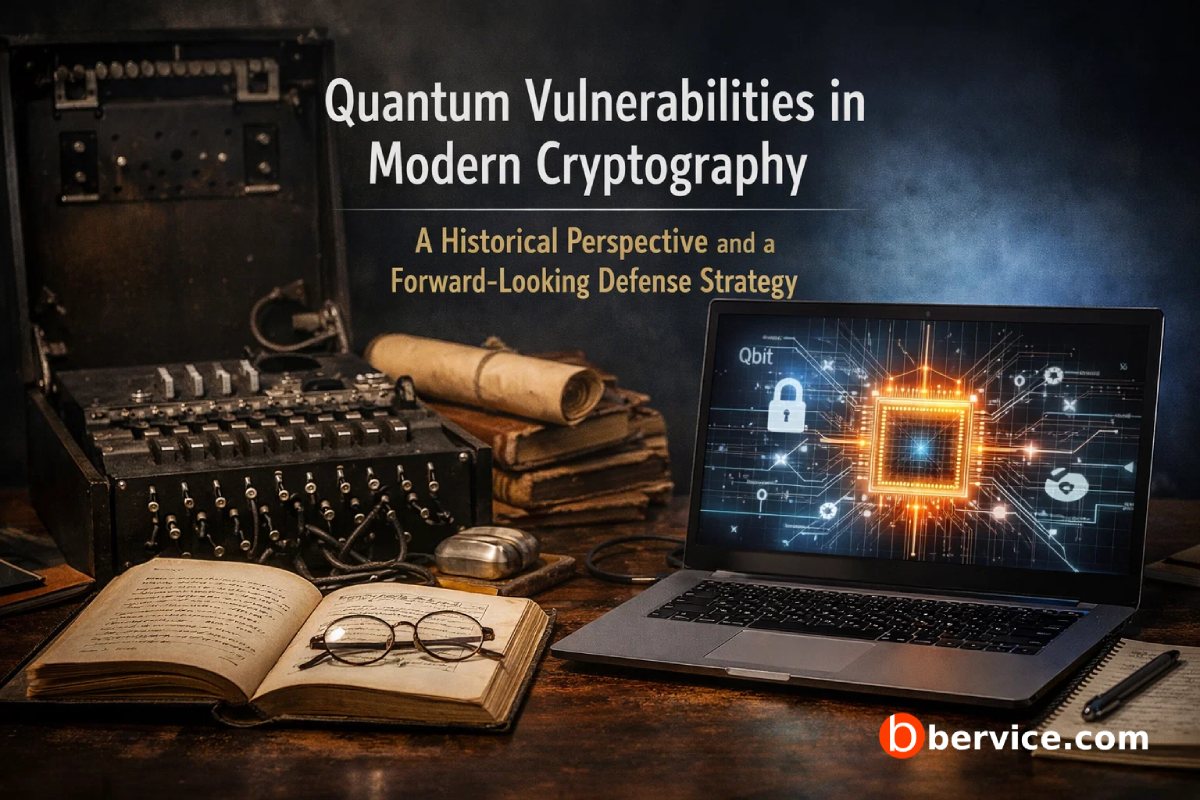
Quantum Vulnerabilities in Modern Cryptography
A Historical Perspective and a Forward-Looking Defense Strategy Introduction A Threat That Arrives Late but Strikes Early Quantum computing does not yet pose an operational threat to today’s cryptographic systems. No publicly known quantum computer can currently break RSA, ECC, or other widely deployed public-key schemes at meaningful scales.However, this apparent safety is deceptive.…
-
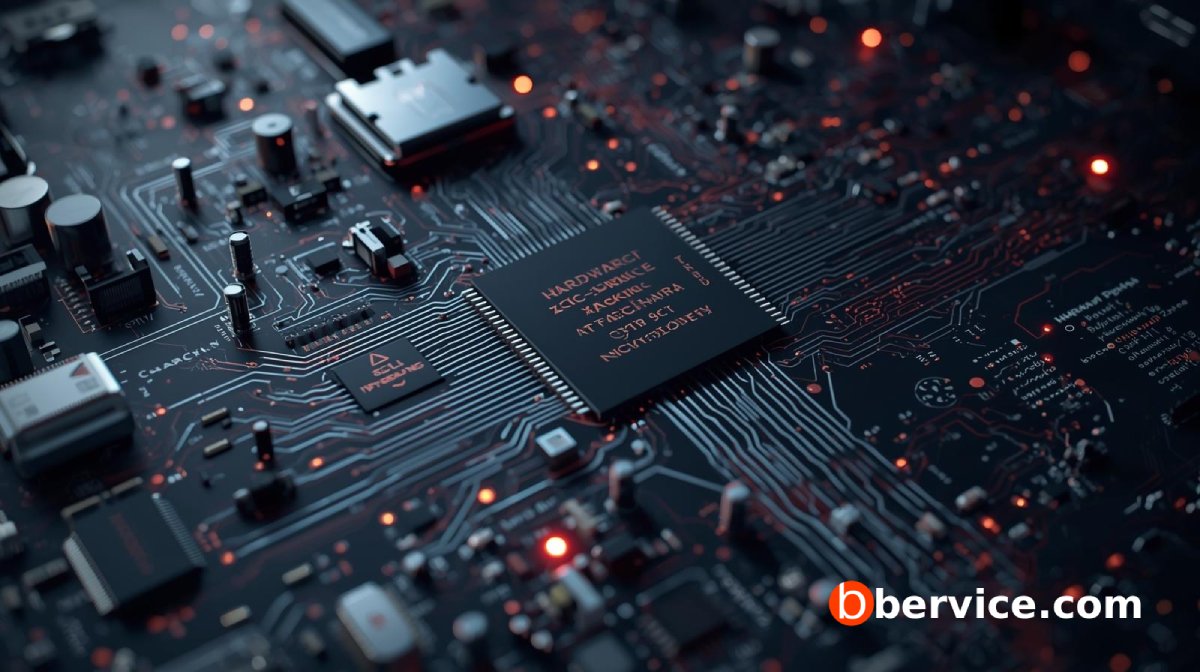
Hardware Hacking Attacks That Start at the Silicon Level
For years, cybersecurity has been dominated by a software-centric mindset. Firewalls, antivirus engines, EDR, and application security reviews all assume one thing: that the hardware beneath them is trustworthy. That assumption is increasingly wrong. Modern attackers do not stop at operating systems or applications they go deeper, down to firmware, microcode, and even the…