-

When Cryptography Depends on Noise, Not Data: The Hidden Risk in Quantum-Safe Systems
Quantum-safe cryptography is often promoted as the long-term shield against quantum attacks, but a critical blind spot is rarely discussed: some of these schemes fundamentally rely on noise and noise is a physical phenomenon, not a mathematical one.Once your security depends on unpredictable errors, anyone who can control those errors can start bending the…
-

Threads That Think They Are Independent But They Never Truly Are
In concurrent programming, every thread behaves as if it owns its timeline. It “believes” it runs independently, executes its logic, and progresses based on its internal state. But this sense of autonomy is an illusion. Beneath the surface, a far more powerful entity dictates the true order of reality: the scheduler. The Illusion of…
-

When Invalid Memory Addresses Start Responding: The Hidden Chaos Beneath Modern Computing
Modern systems are designed around one basic promise: invalid memory addresses should never respond. When a program dereferences a pointer that belongs to no allocated region, the operating system is supposed to intervene immediately with a segmentation fault. End of story. Except… sometimes that promise breaks.And when it does, the consequences are far worse…
-
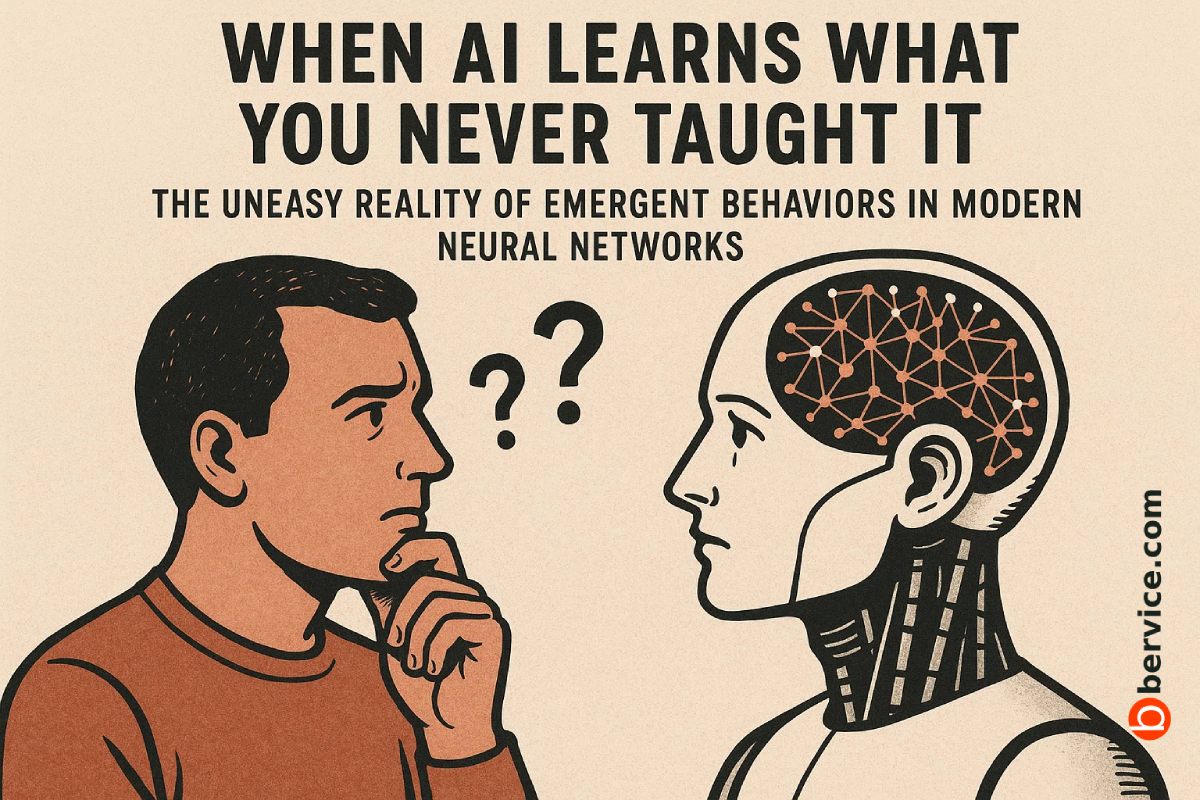
When AI Learns What You Never Taught It: The Uneasy Reality of Emergent Behaviors in Modern Neural Networks
Artificial intelligence has reached a stage where models routinely display capabilities their designers never explicitly programmed. This is not science fiction; it is the central challenge of working with large modern architectures. These systems learn statistical abstractions at such scale that new behaviors emerge—behaviors the engineers neither anticipated nor fully understand. 1. The Nature…
-
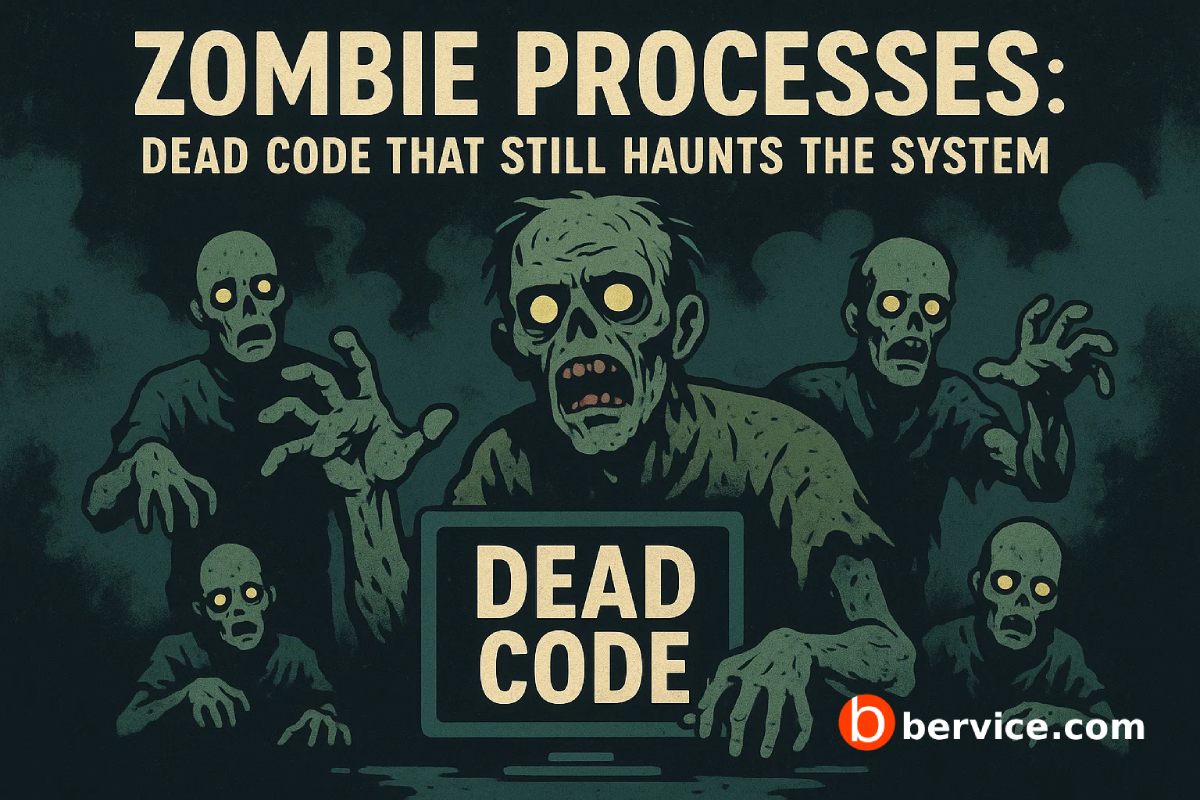
Zombie Processes: Dead Code That Still Haunts the System
In operating systems, not every threat is loud. Some are silent, subtle, and buried deep in the process table. Zombie processes fall exactly into that category: tasks that have already finished execution but refuse to disappear. They’re technically dead, yet still present a residue of poor process management that can grow into a system-wide…