-
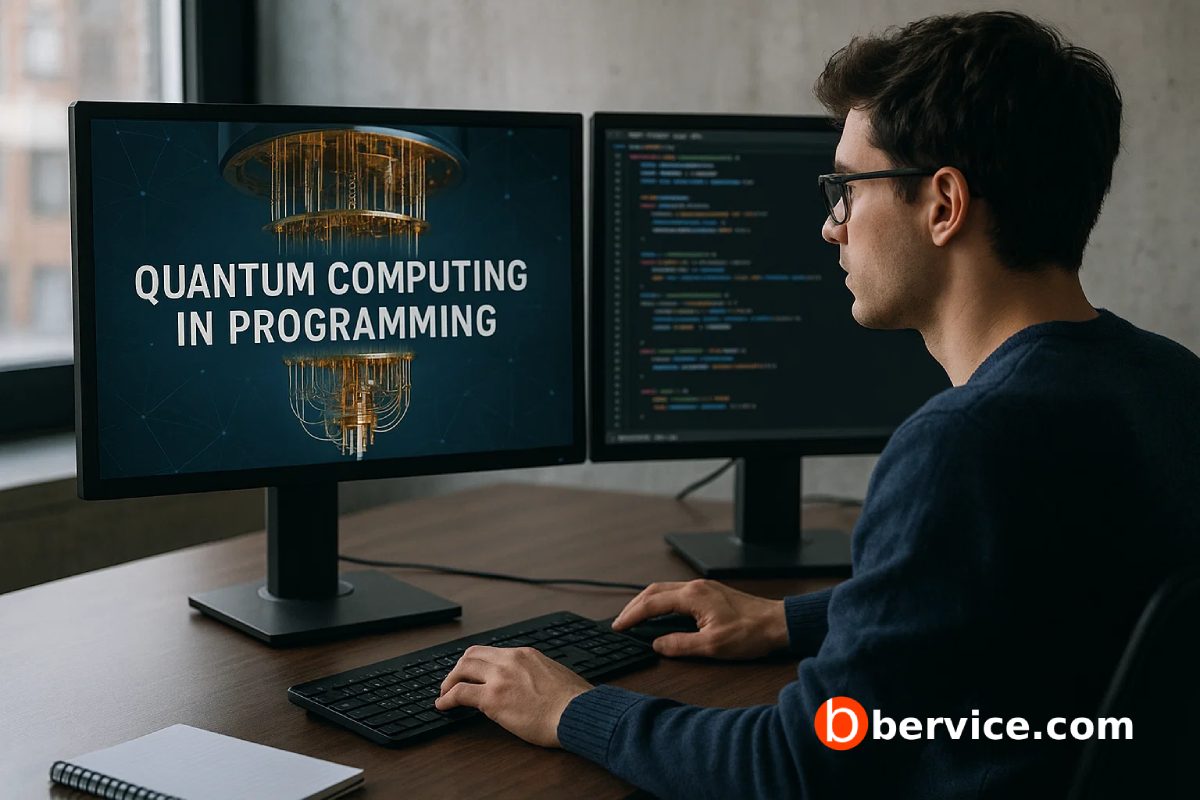
Quantum Computing in Programming: The Shift Toward a New Computational Paradigm
Quantum computing isn’t a “future trend” anymore; it’s a structural shift in how we will write software, design algorithms, and think about computation itself. As quantum hardware slowly crosses the boundary from lab prototypes to early commercial machines, programmers are being pushed toward a new mindset one where uncertainty, superposition, and probabilistic outcomes are…
-

Post-Quantum Cryptography: What It Is and How It Protects Us from Quantum Attacks
Introduction The digital world depends on cryptography that was designed for classical computers. Protocols like RSA, Diffie–Hellman, and elliptic-curve cryptography (ECC) secure everything payments, messaging, software updates, VPNs, authentication.But here’s the uncomfortable truth: a sufficiently powerful quantum computer can break all of them using Shor’s algorithm. This is exactly why post-quantum cryptography exists. PQC…
-

When Neural Networks Start Whispering: The Hidden Languages Inside Modern AI
Artificial intelligence systems are no longer just tools following explicit rules; they are becoming ecosystems where layers collaborate in ways that even their creators don’t fully understand. Modern deep learning especially large-scale Transformers exhibits behaviors that push beyond traditional explainability. As these networks grow more complex, they begin forming internal representations and interactions that…
-

Invisible Protocols When Networks Communicate Beyond the Reach of Packet Sniffers
Most engineers cling to the illusion that packet-level visibility is the final source of truth. It isn’t. Modern distributed networks have evolved to the point where parts of the system remain active, coordinated, and decision-capable even when no observable IP packets exist. Mesh architectures, SDN overlays, and embedded avionics networks increasingly exchange metadata through…
-
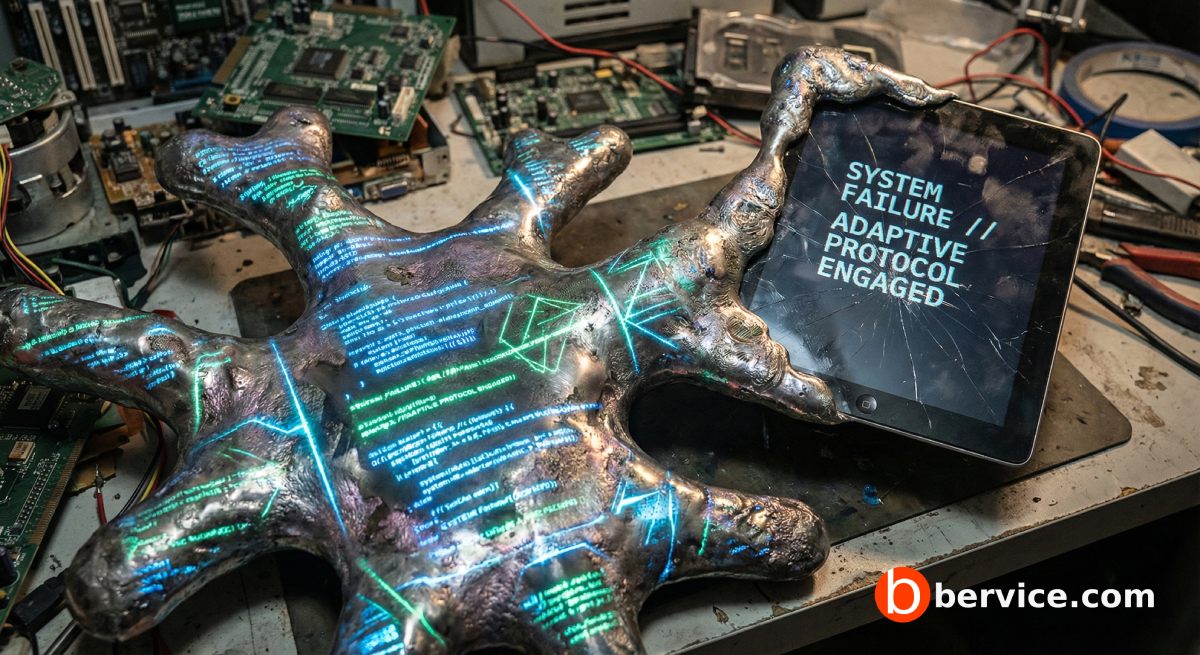
Code Running on Living Metal When Hardware Stops Playing by the Rules
Software engineers love to believe their code runs in a clean, deterministic universe. But once you drop below the OS layer and step onto bare metal, that illusion collapses. Microcontrollers, avionics systems, and industrial controllers operate inside physics not logic and physics doesn’t care about your abstractions. 1. Hardware Is Not a Perfect Machine…