-
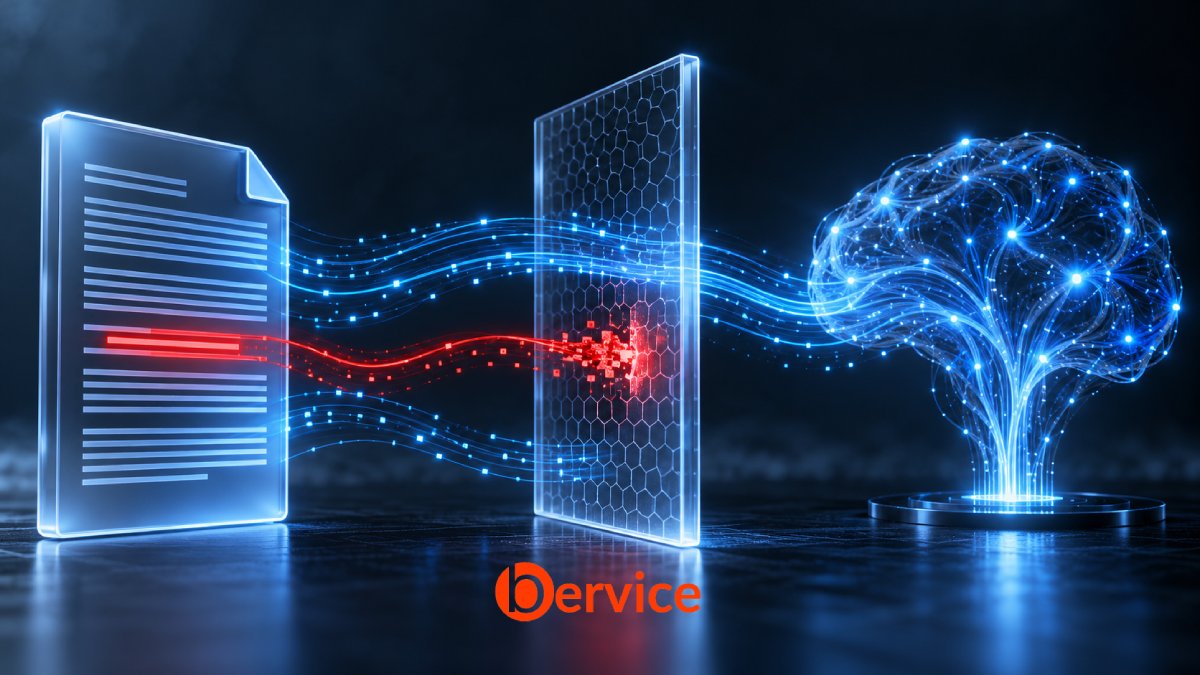
Your Files Can Carry Instructions. Should Your AI Obey Them?
As AI agents read documents and take actions across our digital workplaces, a new security question emerges: when does useful content become an unauthorized instruction? A finance manager asks an AI assistant to summarize a supplier’s invoice. The assistant opens the document, identifies the total amount, and prepares a short summary. Hidden inside the…
-
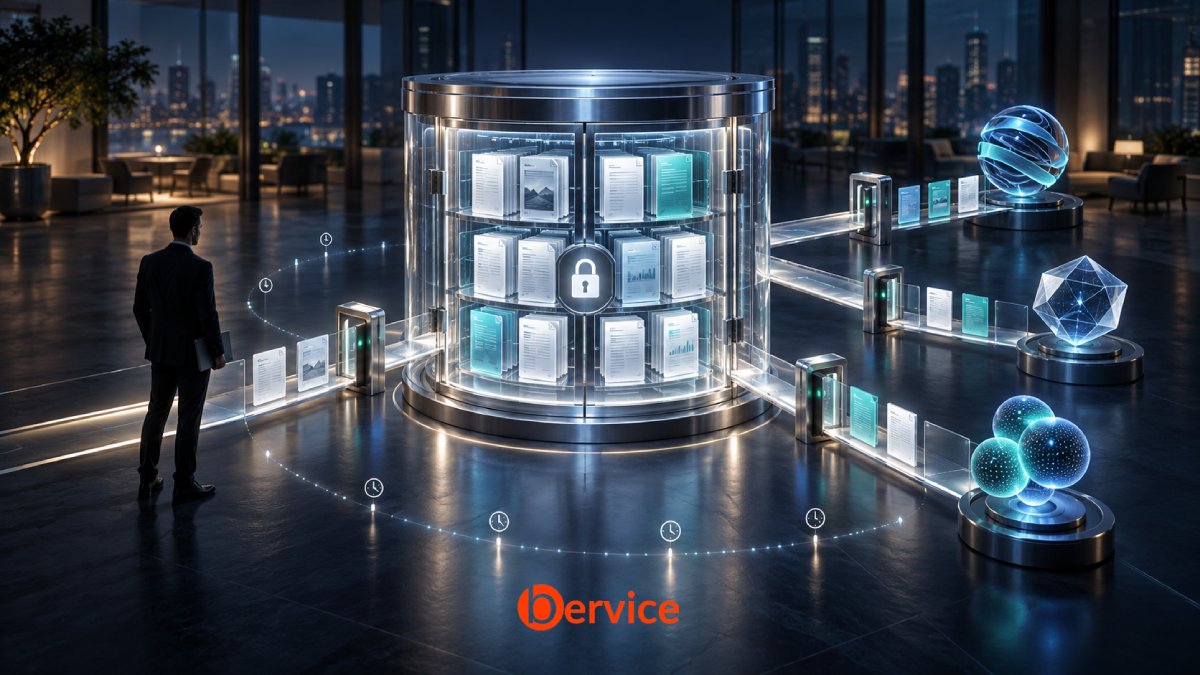
A Secure Vault for the Human-Agent Workplace
When people and AI agents share information, security must govern who can access it, what they can do with it, and where it can go next. A project manager opens a confidential contract. An AI agent extracts the deadlines. Another compares the payment terms with previous agreements. A third prepares a supplier email. One…
-
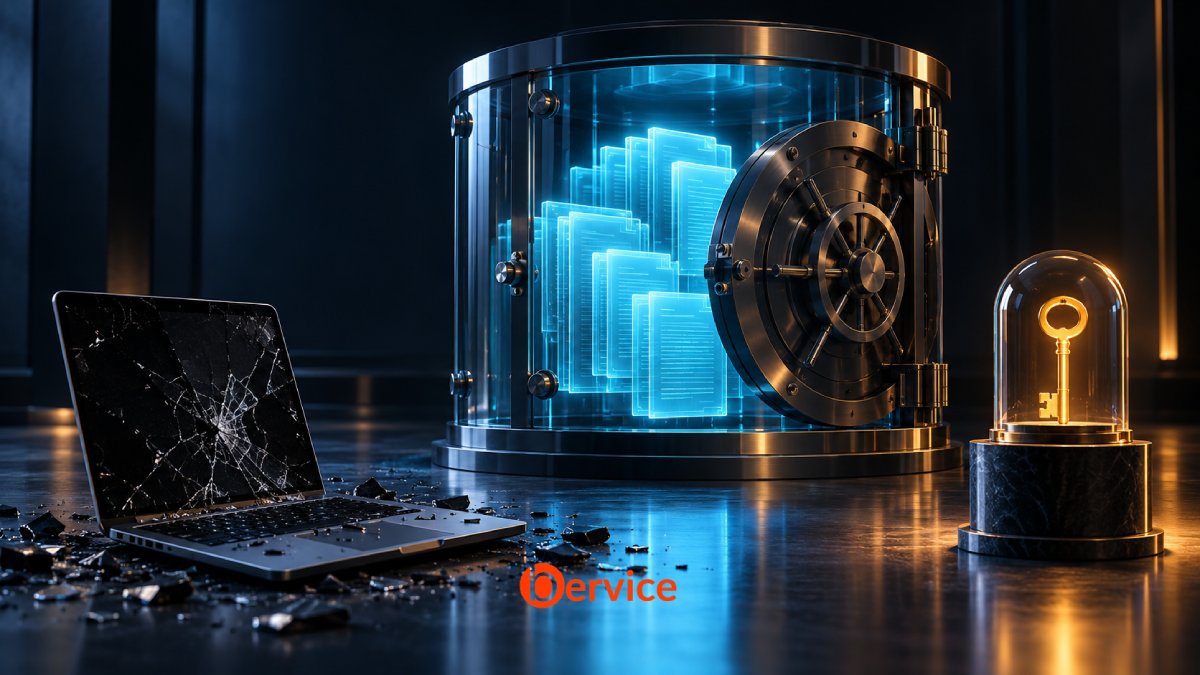
The Hardest Part of Encryption Is Getting Your Data Back
Protecting information means keeping unauthorized people out while preserving a reliable way for the right people to get back in. Your laptop stops working. You replace it, sign in to your storage account, and find your files exactly where you left them. The folders are intact. The documents are available to download. Nothing appears…
-
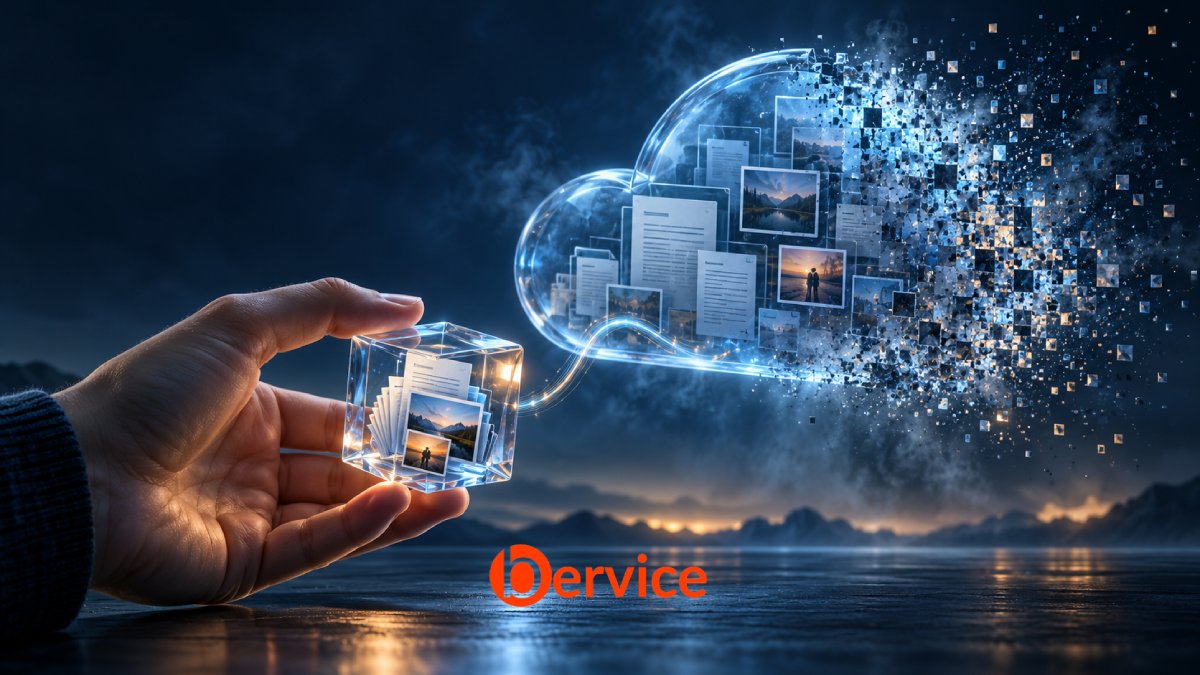
Who Owns Your Digital Life When a Platform Disappears?
Your files may belong to you. Your ability to access them may depend on someone else. Imagine opening the app where you have stored years of work. Instead of your documents, you see a shutdown notice. Or a message saying your account has been suspended. Your folders, photographs, contracts, and conversations are suddenly out…
-
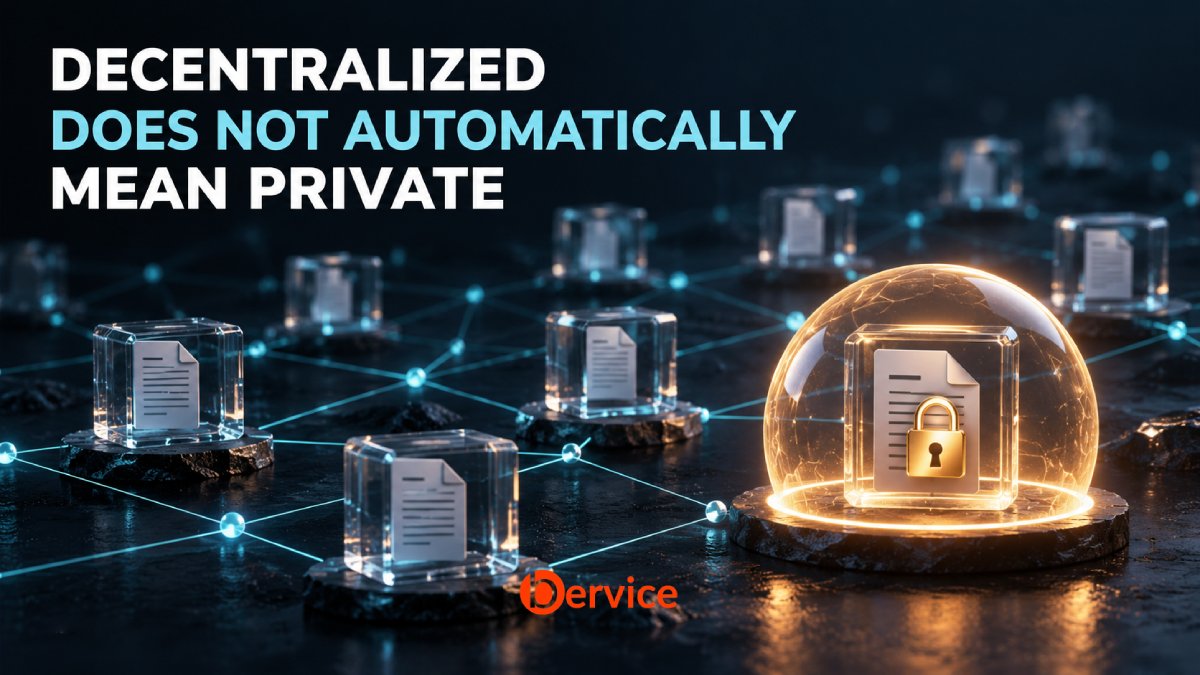
Decentralized Does Not Automatically Mean Private
Distributing data changes where it lives. Protecting privacy requires deliberate decisions about who can read it, what others can observe, and how access is controlled. A company uploads a confidential contract to a decentralized storage network. The file is distributed across independent infrastructure. It no longer depends entirely on one server or one storage…