-
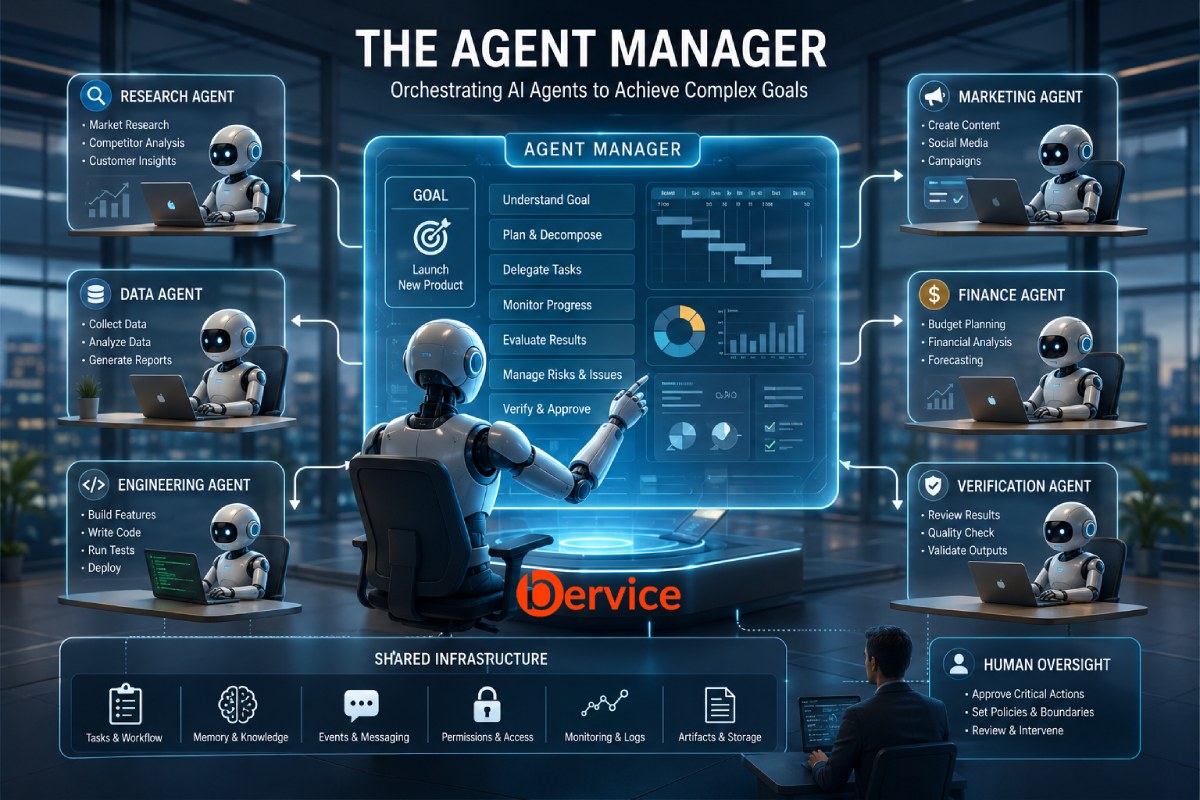
The Agent Manager: How to Build an AI That Manages Other AI Agents
Artificial intelligence is moving beyond the era of the single assistant. The next generation of AI systems will not consist of one model trying to understand a request, search for information, use tools, make decisions, execute actions, verify results, and communicate with the user all inside the same loop. Instead, AI systems are beginning…
-

Before You Run Hermes Agent
The Security, Privacy, Performance, and Reliability Layers You Need Before Giving an AI Agent Real Access AI is moving from answering questions to taking actions. That distinction changes everything. A traditional AI assistant may generate text, summarize documents, explain code, or answer questions. An autonomous agent can go much further. It can interact with…
-
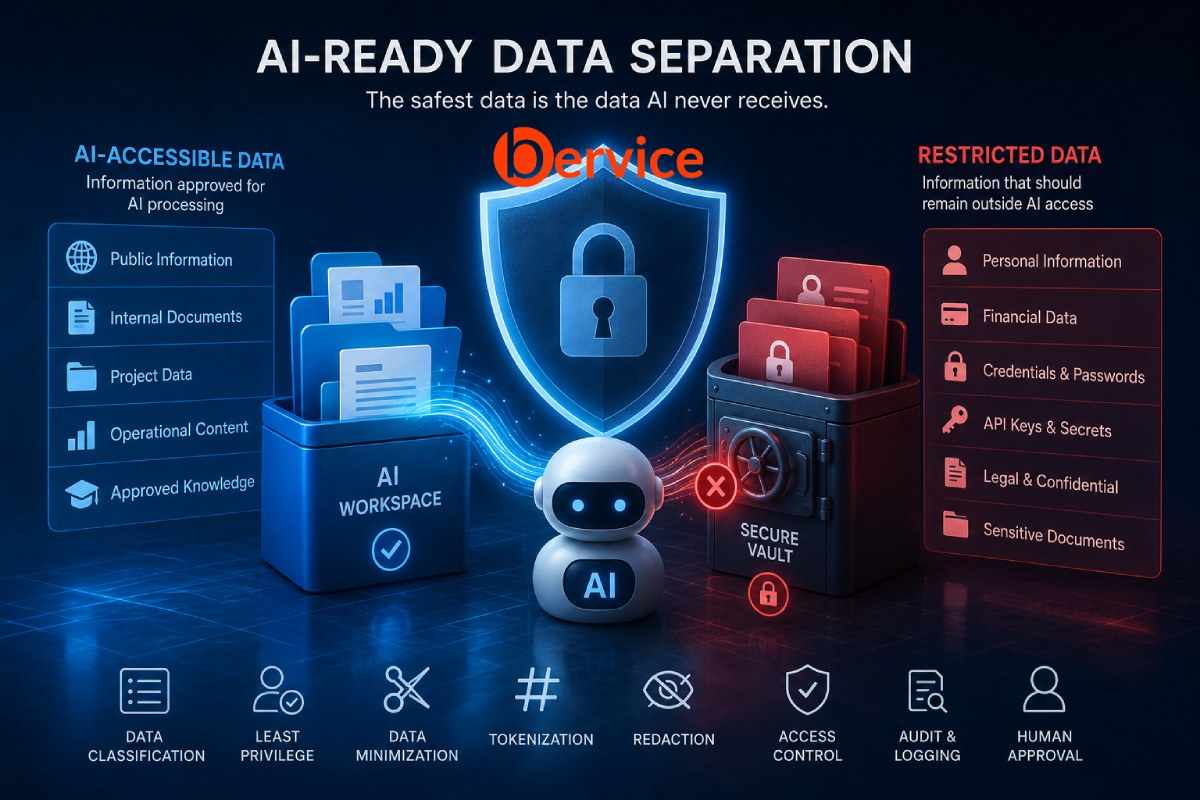
Separating Everyday Data from Sensitive Information in the Age of AI
Introduction Artificial intelligence is rapidly becoming part of everyday digital life. AI systems can now help us write emails, analyze documents, summarize meetings, search company knowledge, generate software, manage projects, analyze financial information, and automate repetitive work. The productivity benefits are enormous. But the expansion of AI into our daily workflows introduces a fundamental…
-
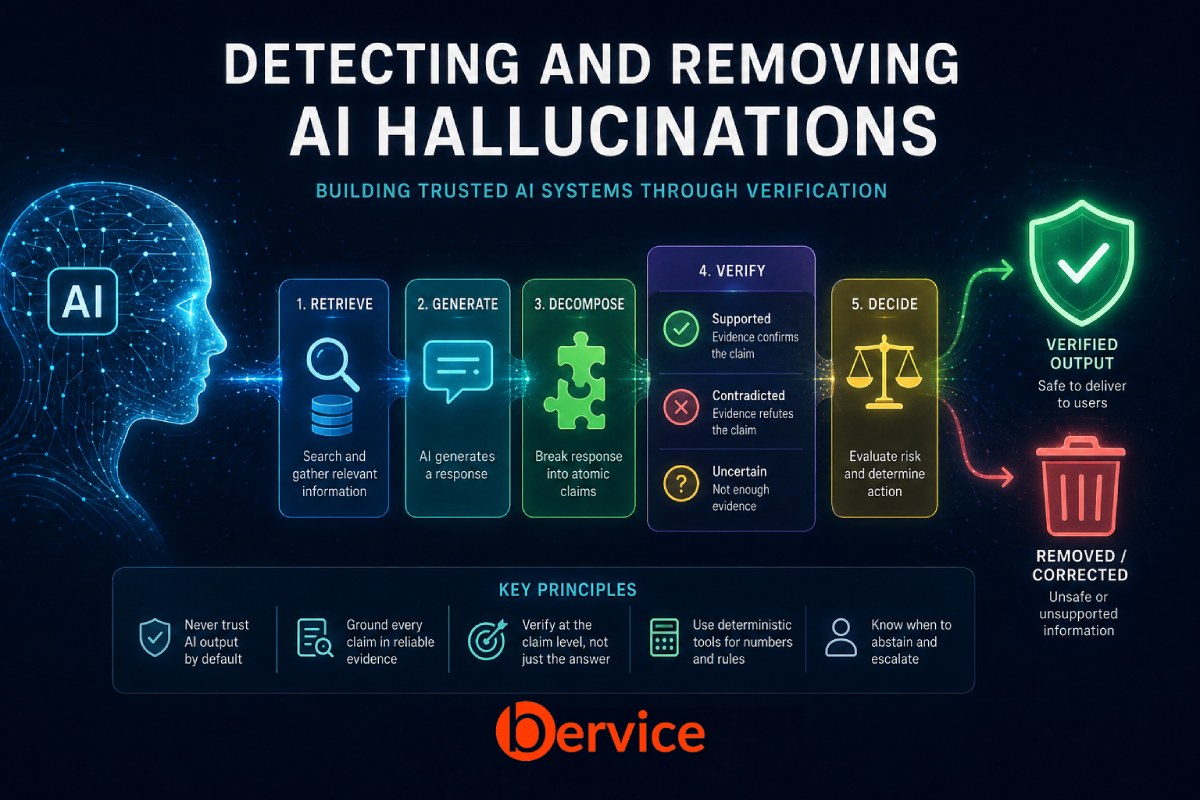
How to Automatically Detect and Remove AI Hallucinations from Production Systems
Introduction Artificial intelligence systems are rapidly moving from simple chat interfaces into infrastructure that makes decisions, analyzes documents, generates reports, searches corporate knowledge, writes software, communicates with customers, and operates autonomous agents. This transition creates a fundamental engineering problem: How can we determine whether an AI-generated statement is actually supported by evidence before allowing…
-
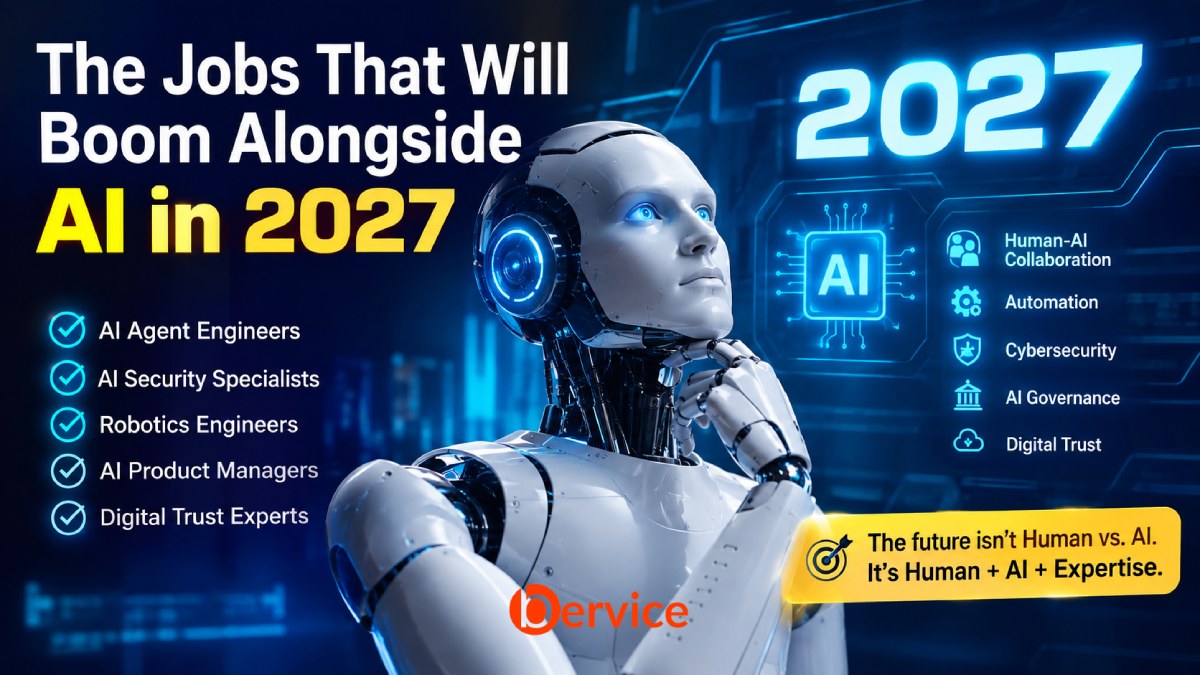
The Jobs That Will Boom Alongside AI in 2027
The Future of Work Is Not Human vs. AI. It Is Human + AI. For years, the conversation around artificial intelligence has been dominated by one question: Which jobs will AI replace? But as we move toward 2027, a more useful question is emerging: Which jobs will become more valuable because AI exists? Artificial…