-

How AI Agents Can Remember: Building Memory for Long-Term Use
AI agents are becoming increasingly capable of completing multi-step tasks, using tools, communicating with other systems, and making decisions with limited human supervision. Yet one problem continues to limit their usefulness: most agents do not truly remember. They may appear intelligent during a conversation, but when the session ends, much of what they learned…
-

Local AI Automation and the Supervisory Eye: A New Architecture for Controlled Autonomy
Artificial intelligence is rapidly moving beyond chat interfaces. It is beginning to operate software, monitor equipment, process documents, manage workflows, and make thousands of small decisions across organizations. But as AI becomes more operational, a difficult question appears: how can a business automate more without losing visibility and control? One promising answer is a…
-
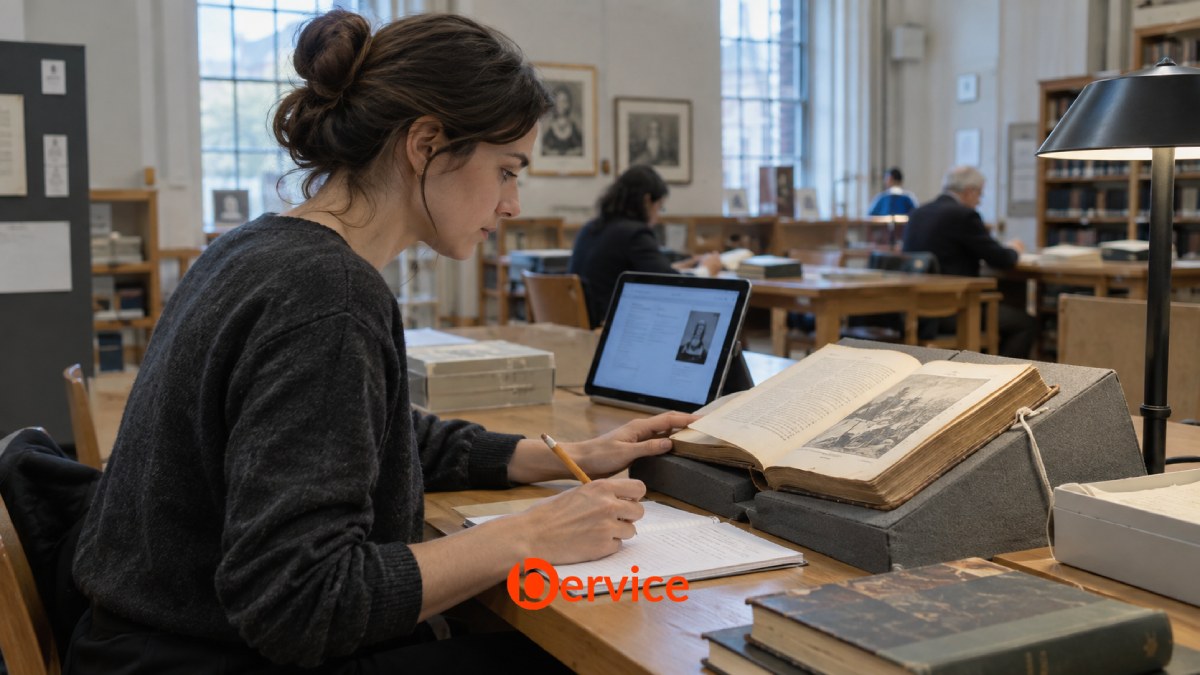
AI Versus the Books of History: Can Artificial Intelligence Replace Knowledge That Can No Longer Be Updated?
For most of human history, books have been one of our most powerful technologies for preserving knowledge. They have carried ideas across borders, protected discoveries from being forgotten, and allowed a person living centuries later to encounter the mind of someone long gone. But books have a fundamental limitation: once published, they become fixed.…
-

How Hermes Agent Connects to AI Models and Builds Memory
The central idea .Hermes is not the intelligence itself. It is the operating layer around an AI model: it assembles instructions and context, sends requests to a selected model provider, executes approved tools, observes the results, and stores selected knowledge so later sessions can begin with useful continuity. A language model can produce a…
-
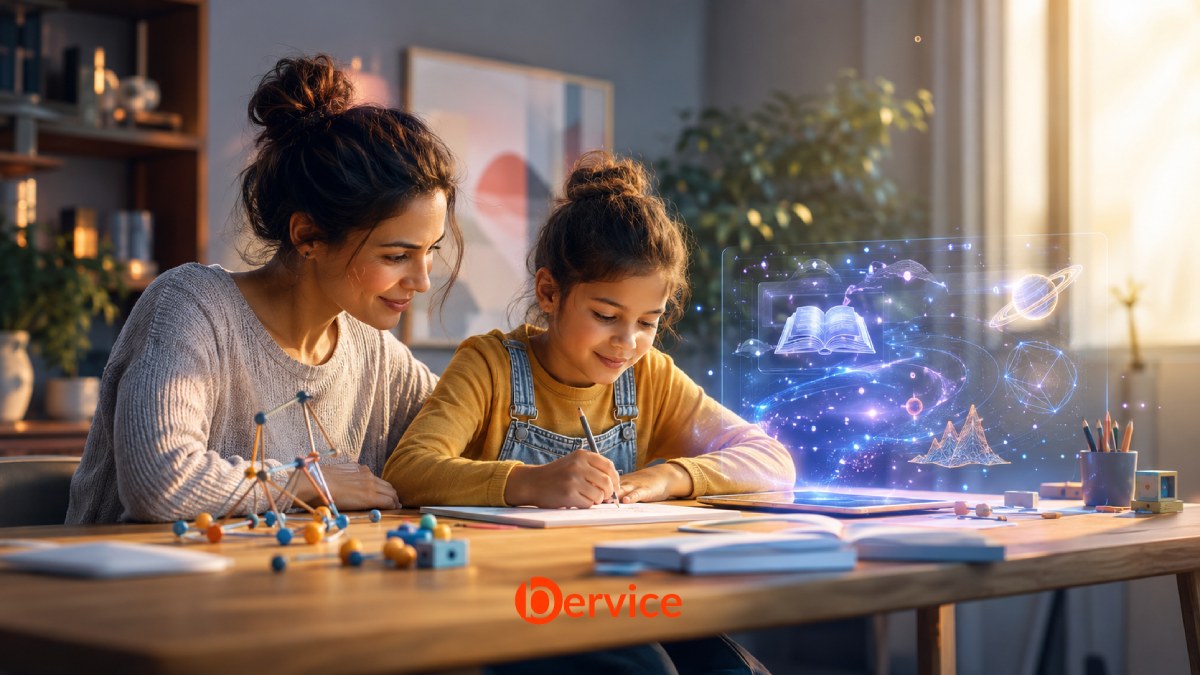
How Artificial Intelligence Can Support the Healthy Development of Children
Artificial intelligence is becoming part of everyday family life. Children may encounter it through educational platforms, voice assistants, creative applications, games, search tools, accessibility features, and conversational systems. For parents, this creates both an opportunity and a responsibility. AI can make learning more personal, help children explore their interests, support children with different needs,…