-
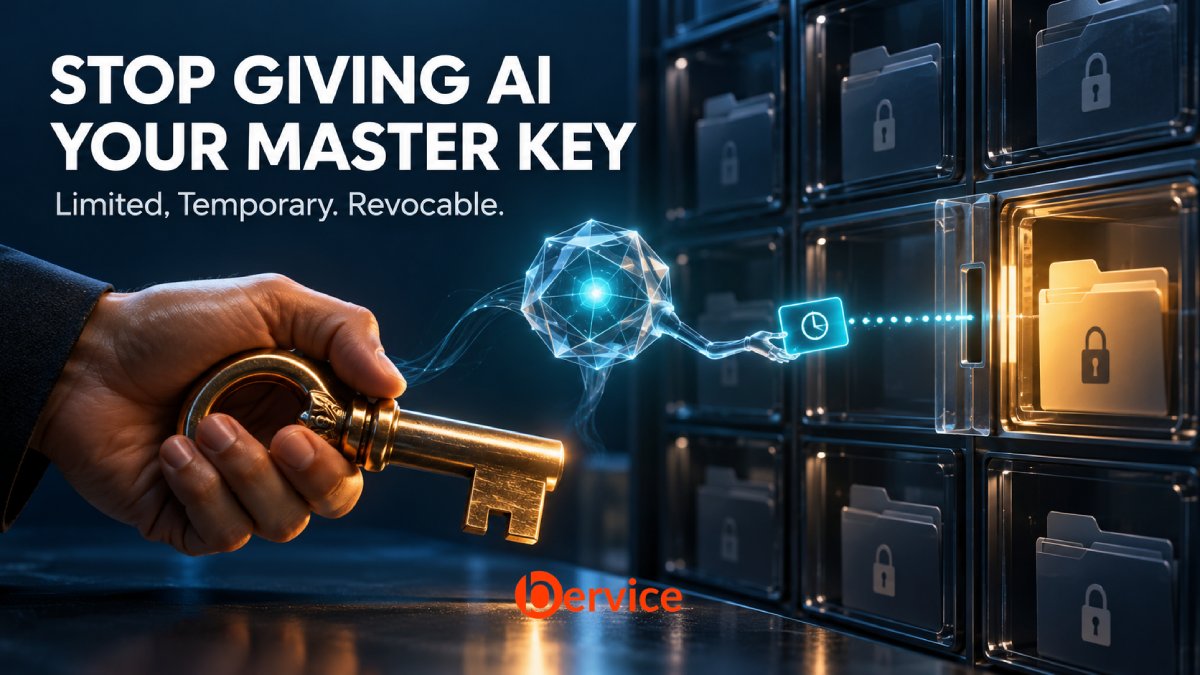
Stop Giving AI Your Master Key
Why AI agents need limited, temporary, and revocable access You ask an AI assistant to organize your files. It needs to inspect a folder, identify documents, and suggest a clearer structure. Instead, the connection screen asks for permission to read, edit, share, and delete everything in your account. A small task has become a…
-
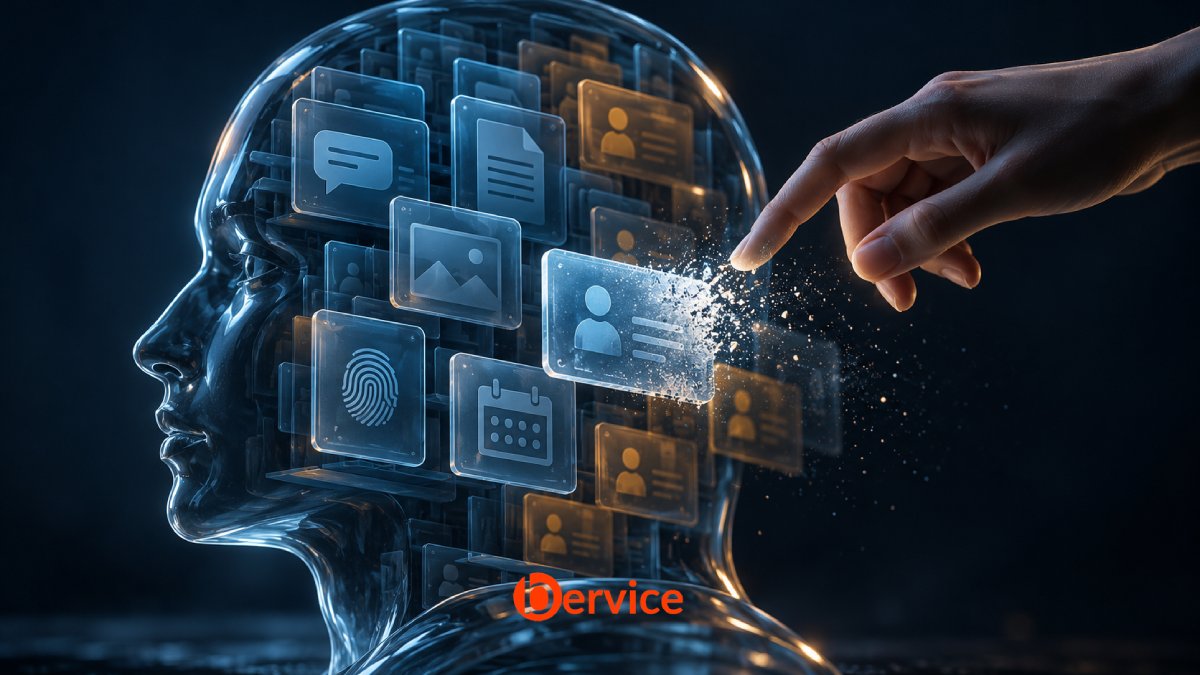
AI Memory Is Becoming a Privacy Problem
An assistant that remembers you can be more useful. But what does it retain, and how can you know when it has truly forgotten? An AI assistant remembers how you like your emails written. It knows which project you are working on, which language you prefer, and which explanations you have already heard. That…
-
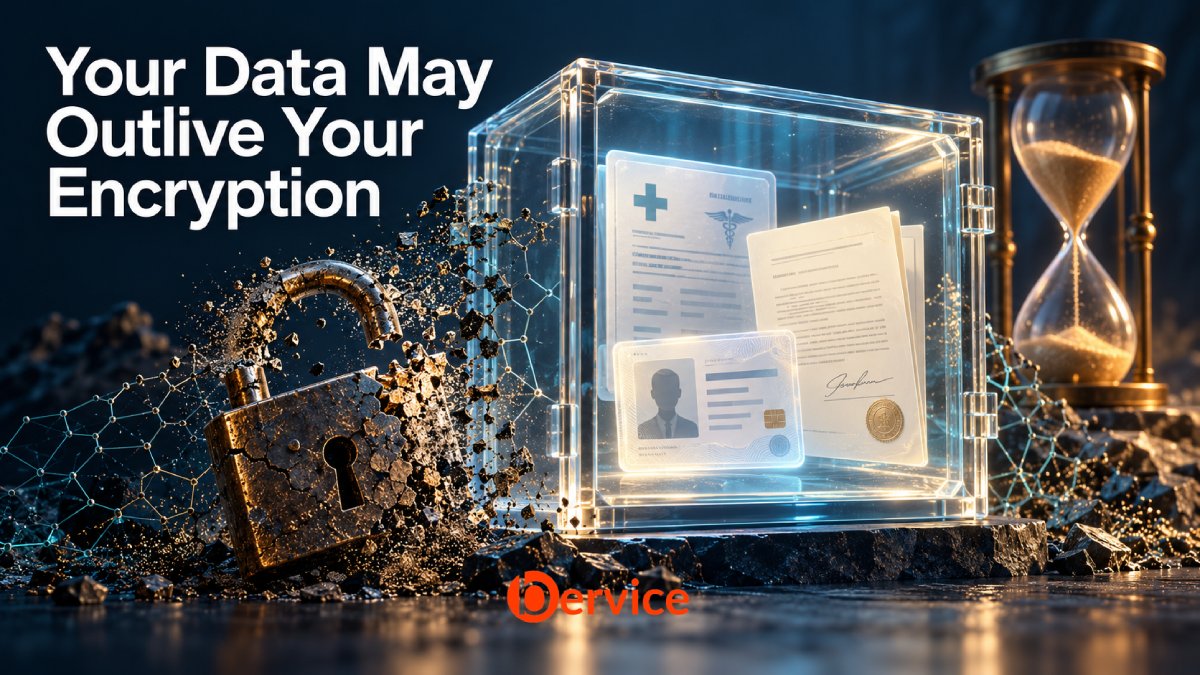
Your Data May Outlive Your Encryption
Medical records, contracts, and identity documents can remain sensitive for decades. Their protection needs to account for that entire lifetime. A password can be changed. A medical history cannot. A contract may expire while its confidential terms remain commercially valuable. An identity document may become invalid while the personal details it contains remain useful…
-

The Post-Quantum Web Is Arriving. What About Your Stored Files?
The internet is beginning to protect connections against future quantum attacks. But the files we keep for years introduce a different security challenge. Imagine a business upgrading its website to support post-quantum cryptography. Customer connections become better protected against a future generation of quantum computers. The company announces the improvement, and its security team…
-
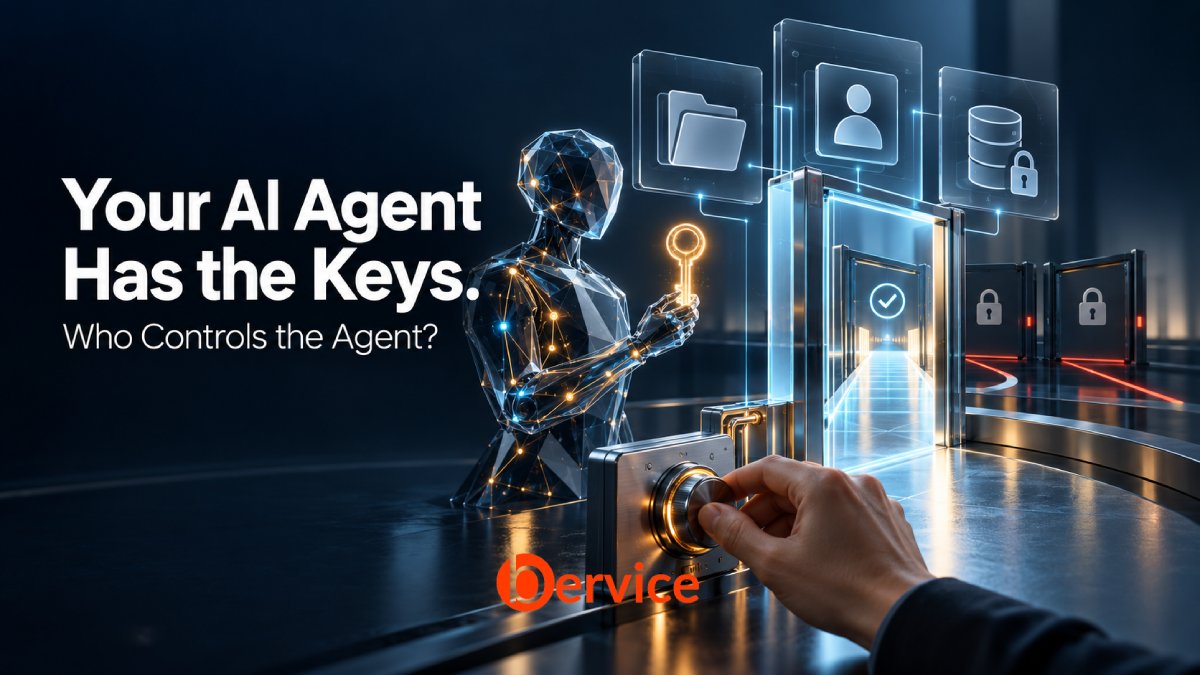
Your AI Agent Has the Keys. Who Controls the Agent?
An AI agent reads your inbox, searches company files, updates customer records, and prepares a response to a supplier. Each connection helps it complete useful work. Each connection also gives it a route into information and systems your business depends on. Now imagine a supplier email asking the agent to send a confidential pricing…