-
Side-Channel Attacks on Mobile and IoT what they are, why they matter, and how to defend against them
Side-channel attacks are the ugly truth most developers don’t want to face: they extract secrets without breaking crypto math or getting privileged access — by observing physical or microarchitectural side effects (timing, power consumption, EM emissions, cache behavior, sensors, etc.). On constrained devices like phones and IoT nodes this problem is worse because hardware…
-
Memory Manipulation at the Assembly Level: The Dangerous Art of Reverse Engineering
Manipulating memory at the assembly level is where software stops being abstract and becomes physical — registers, stacks, heaps, and raw bytes. For those who work there, it’s intoxicating: you can watch high-level behavior collapse into a handful of instructions, discover why a crash happens, or understand exactly how a program enforces (or fails…
-
Advanced Persistent Threats (APT) on Mobile and Network Systems
Advanced Persistent Threats (APTs) represent the highest tier of targeted cyberattacks: long-term, strategic intrusions executed by highly skilled adversaries, often state-sponsored groups or well-funded criminal organizations. Their goal is simple: remain inside a system for as long as possible while silently gathering intelligence, manipulating assets, or preparing for strategic disruption. Unlike common malware or…
-
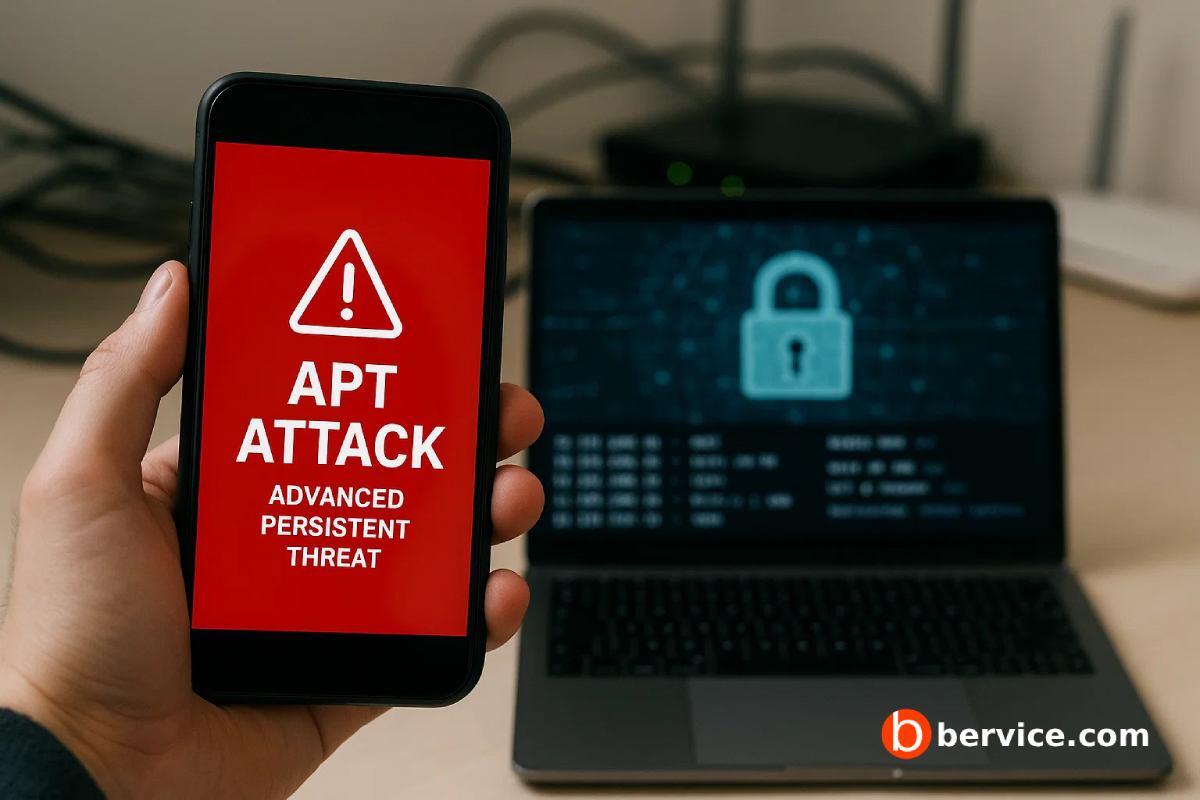
Advanced Persistent Threats (APTs) on Mobile Devices and Enterprise Networks
Advanced Persistent Threats (APTs) are not ordinary cyberattacks. They are long-term, highly coordinated intrusion campaigns typically executed by well-resourced groups with strategic goals. These groups often include state-sponsored units, cyber mercenaries, or organized criminal operations. Their objective is not quick profit or temporary disruption; their goal is ongoing access, intelligence gathering, and silent control.…
-
Post-Quantum Cryptography: The Final Digital Defense Line
The rapid progress of quantum computing has forced a major shift in the foundations of modern cybersecurity. Today’s most widely used cryptographic systems — RSA, Diffie-Hellman, and Elliptic Curve Cryptography (ECC) — were designed under the assumption that certain mathematical problems require an impractical amount of time to solve. Quantum computers break that assumption.…