-

Why Grover and Shor Didn’t “Change Everything” Yet
Realities, limitations, and common misconceptions about quantum algorithms Introduction Grover’s search algorithm and Shor’s factoring algorithm are often presented as the two “killer apps” of quantum computing. They are elegant, mathematically powerful, and genuinely important milestones in the history of computation. Yet many people notice something confusing: decades after these algorithms were discovered, the…
-
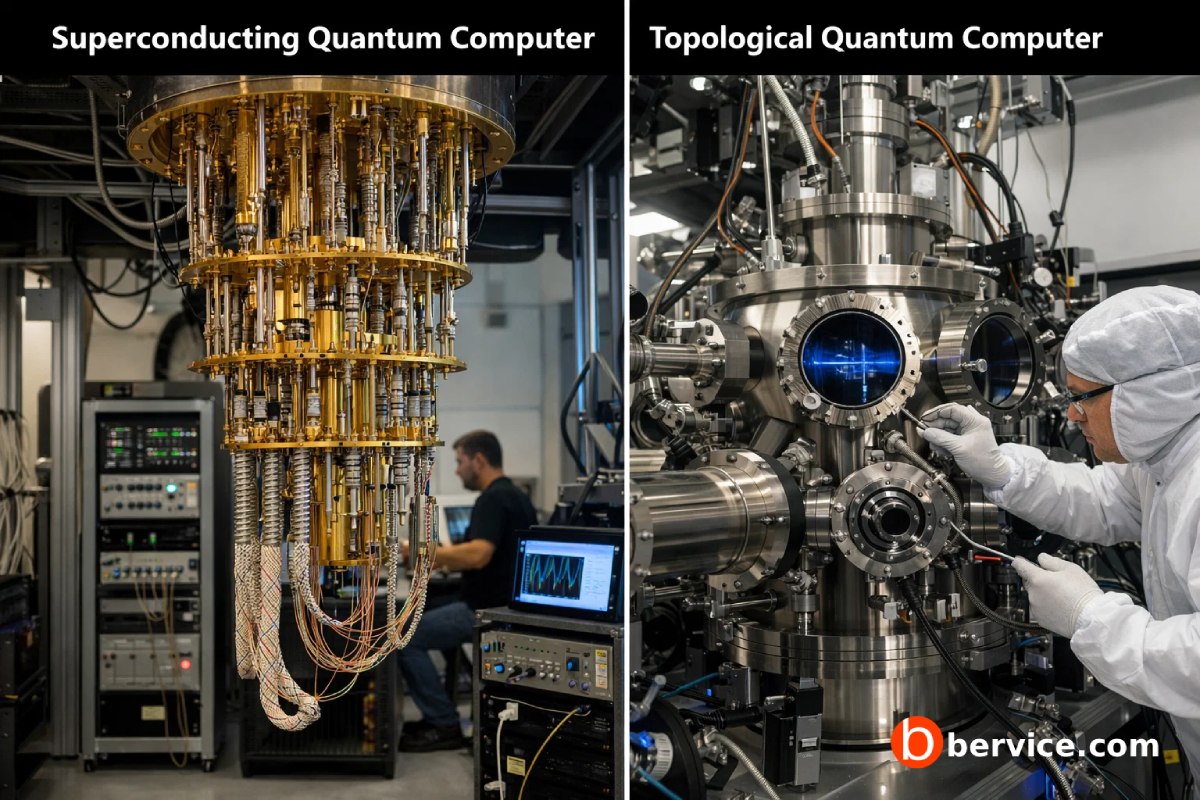
Superconducting vs Topological Quantum Computers
A Deep Technical and Conceptual Comparison Introduction Quantum computing is not a single technology but a family of radically different physical approaches aimed at exploiting quantum mechanics for computation. Among these approaches, superconducting quantum computers and topological quantum computers represent two fundamentally distinct philosophies. One prioritizes practical near-term progress, while the other aims for…
-
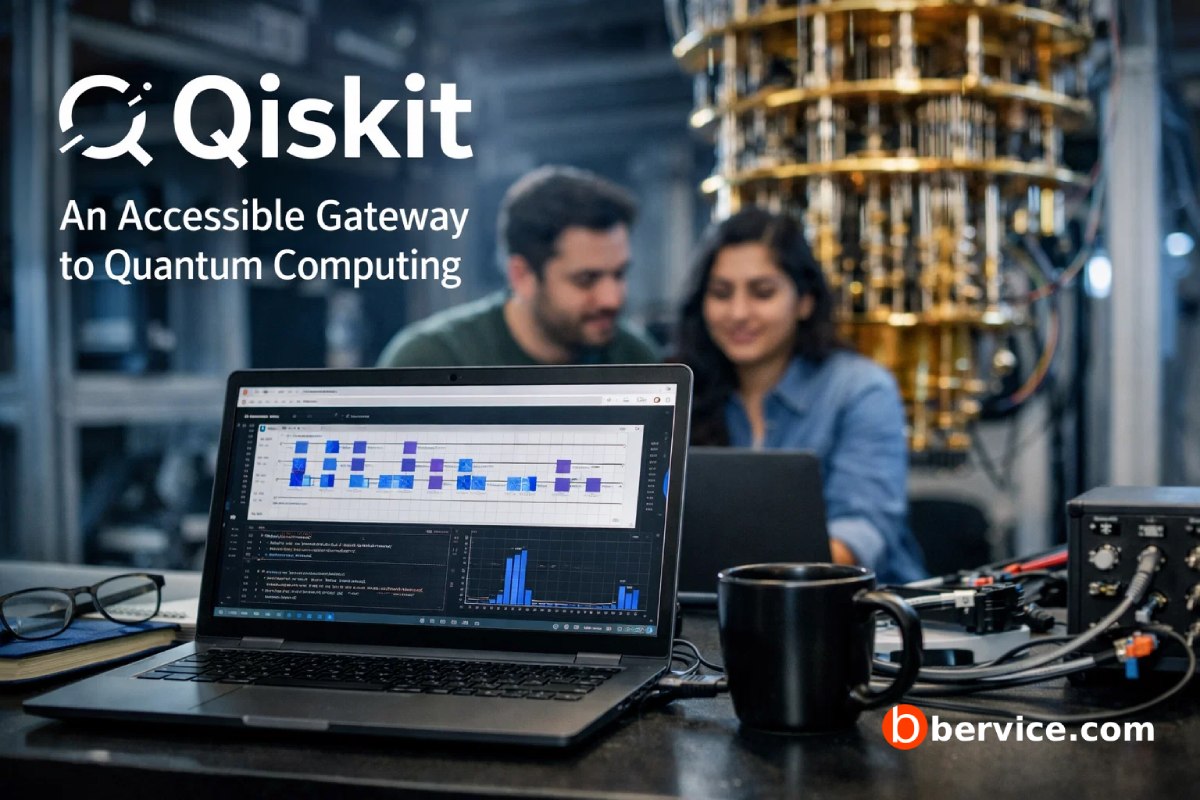
Qiskit An Accessible Gateway to Quantum Computing
Introduction to Qiskit in Simple Terms Quantum computing is often described as complex and difficult to understand. However, tools like Qiskit are designed to make this advanced technology more accessible to everyone. Qiskit is an open source software development kit that helps people learn, design, and run quantum programs in a practical way. It…
-
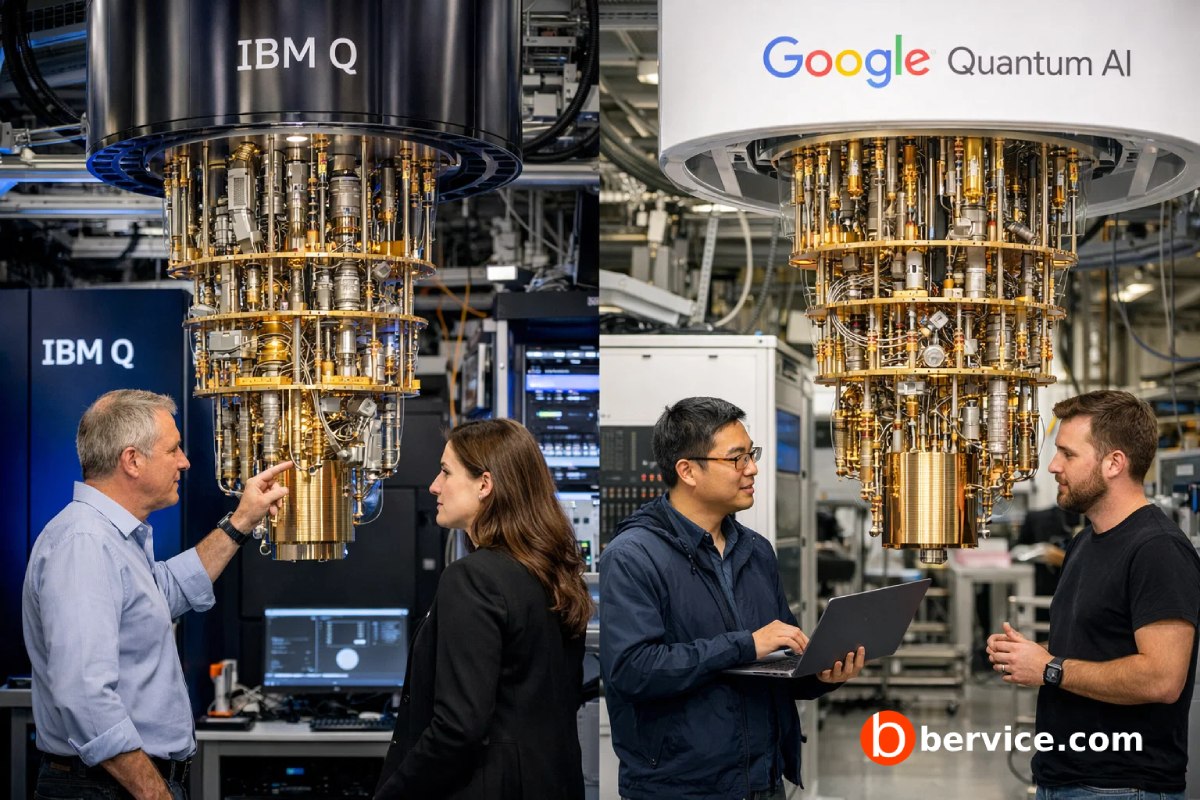
The Role of IBM and Google in Building Quantum Computing Infrastructure
Quantum computing is often described through eye catching milestones like qubit counts or headline demonstrations of “quantum advantage.” But the real long term race is infrastructure: the hardware engineering, control stacks, software toolchains, cloud access models, error correction strategy, and integration with classical high performance computing that collectively turn fragile lab devices into usable…
-
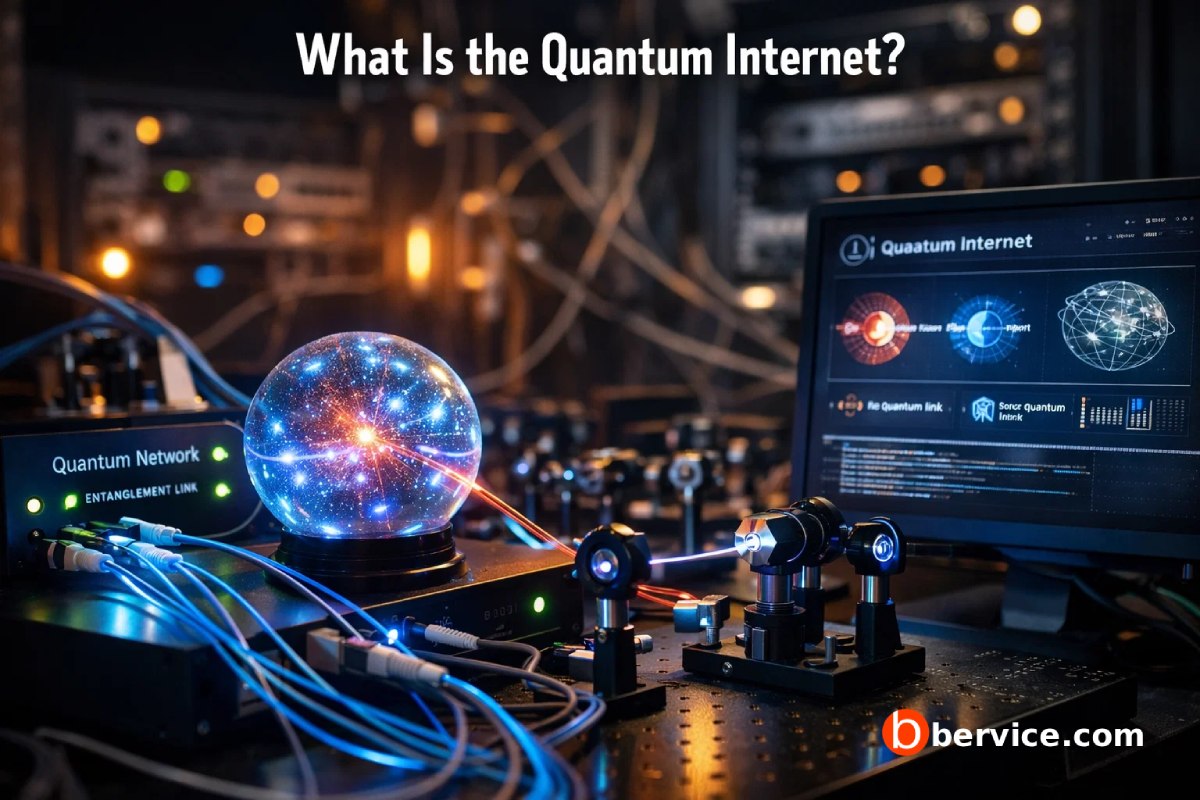
What Is the Quantum Internet?
The Quantum Internet is a next generation communication network that uses the laws of quantum physics to transmit information in fundamentally new ways. Unlike the classical internet, which sends bits as 0s and 1s, the quantum internet relies on quantum bits or qubits, which can exist in superposition and can be linked through quantum…