-
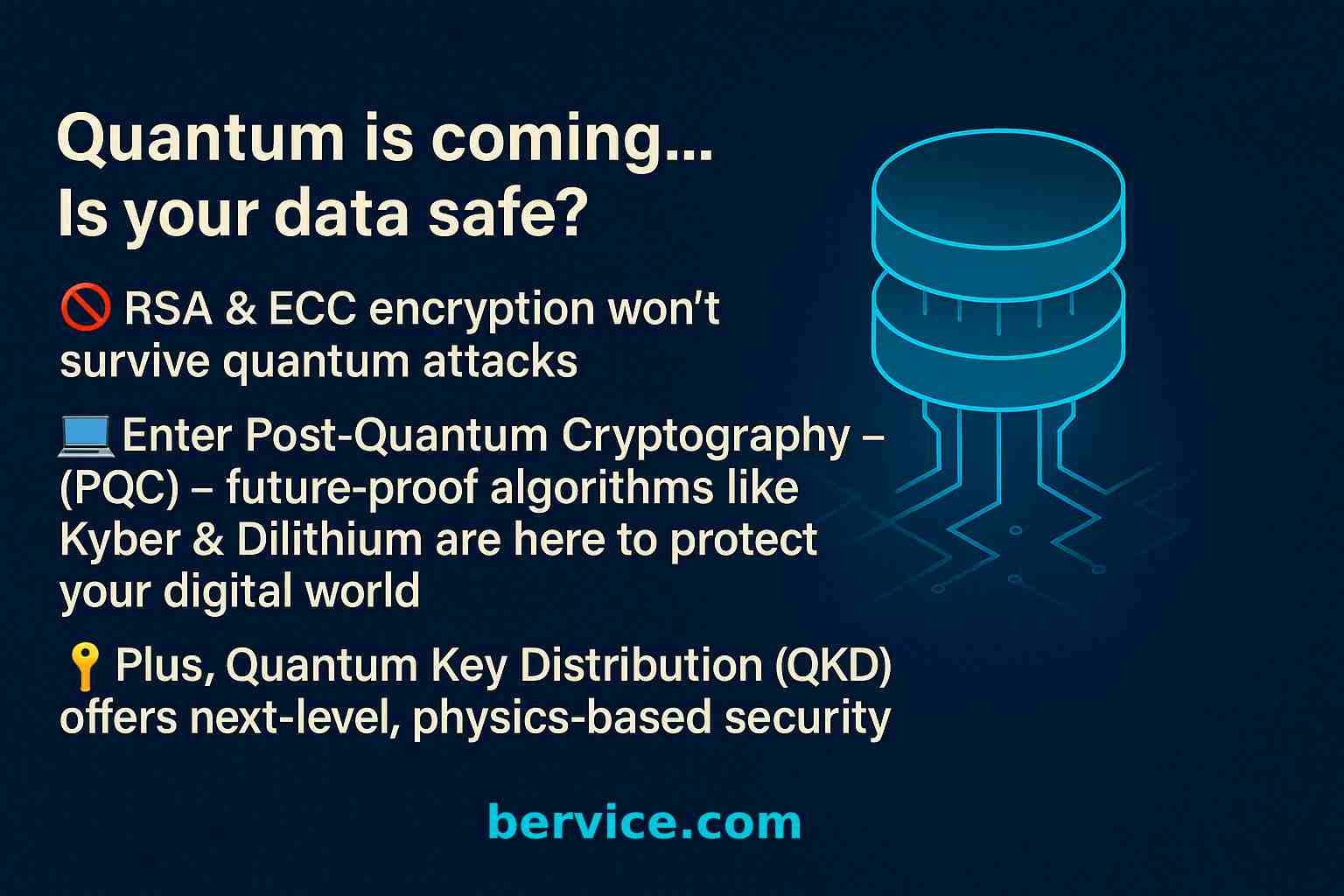
The Role of Quantum Computers in the Future of Data Encryption
In an era defined by rapid technological advancement, quantum computers stand as both a threat and a promise for the future of information security. With computing power that vastly outpaces classical machines, quantum computers will revolutionize many industries—none more critically than cybersecurity. 🧠 What Are Quantum Computers? Unlike traditional computers that process information in…
-
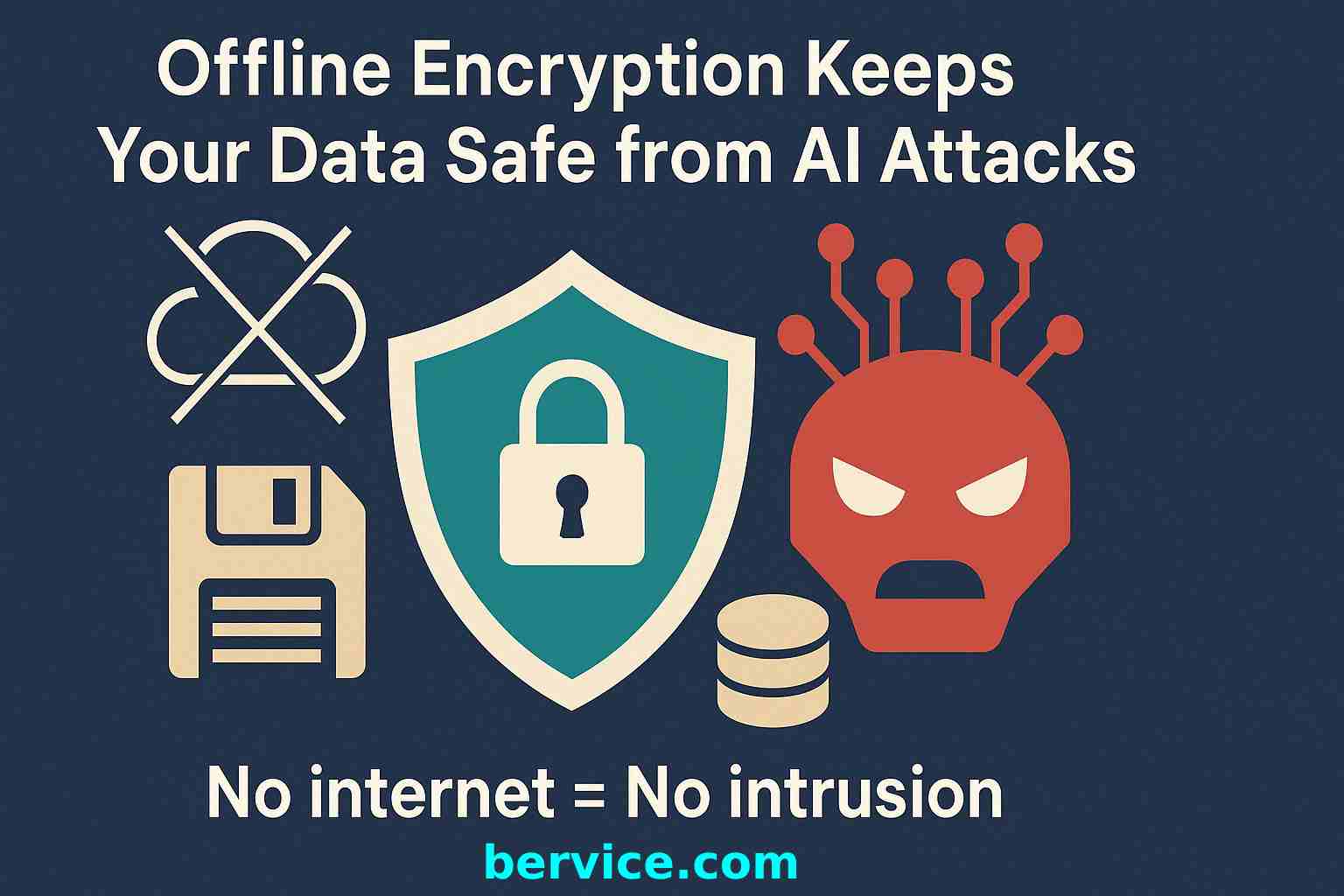
The Advantages of Offline Encryption in Defending Against AI-Powered Attacks
As artificial intelligence (AI) rapidly evolves, so do the methods and tools used in cyberattacks. From predictive hacking to deepfake social engineering, AI is enabling increasingly sophisticated threats. In this digital landscape, offline encryption stands as a critical layer of protection — one that is often underestimated. 💡 What Is Offline Encryption? Offline encryption…
-
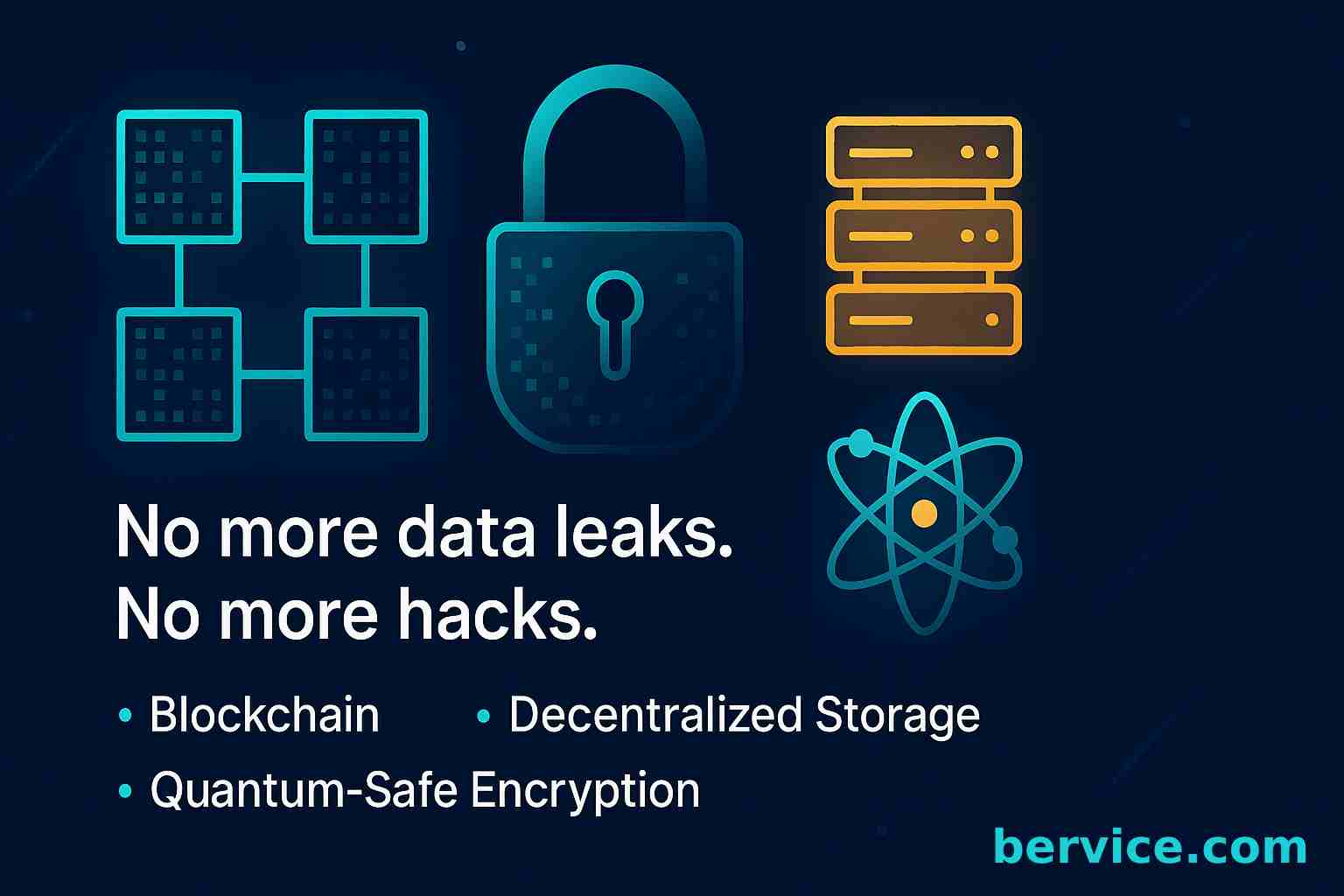
Decentralized Storage, Blockchain, and Quantum Cryptography: The Future of Data Security
In today’s digital world, data is everything — from personal identity to financial records and critical infrastructure. Yet, traditional systems remain highly vulnerable to breaches, central failures, and emerging threats like quantum computing. To overcome these risks, the convergence of blockchain, decentralized storage, and post-quantum cryptography (PQC) is paving the way for a secure…
-
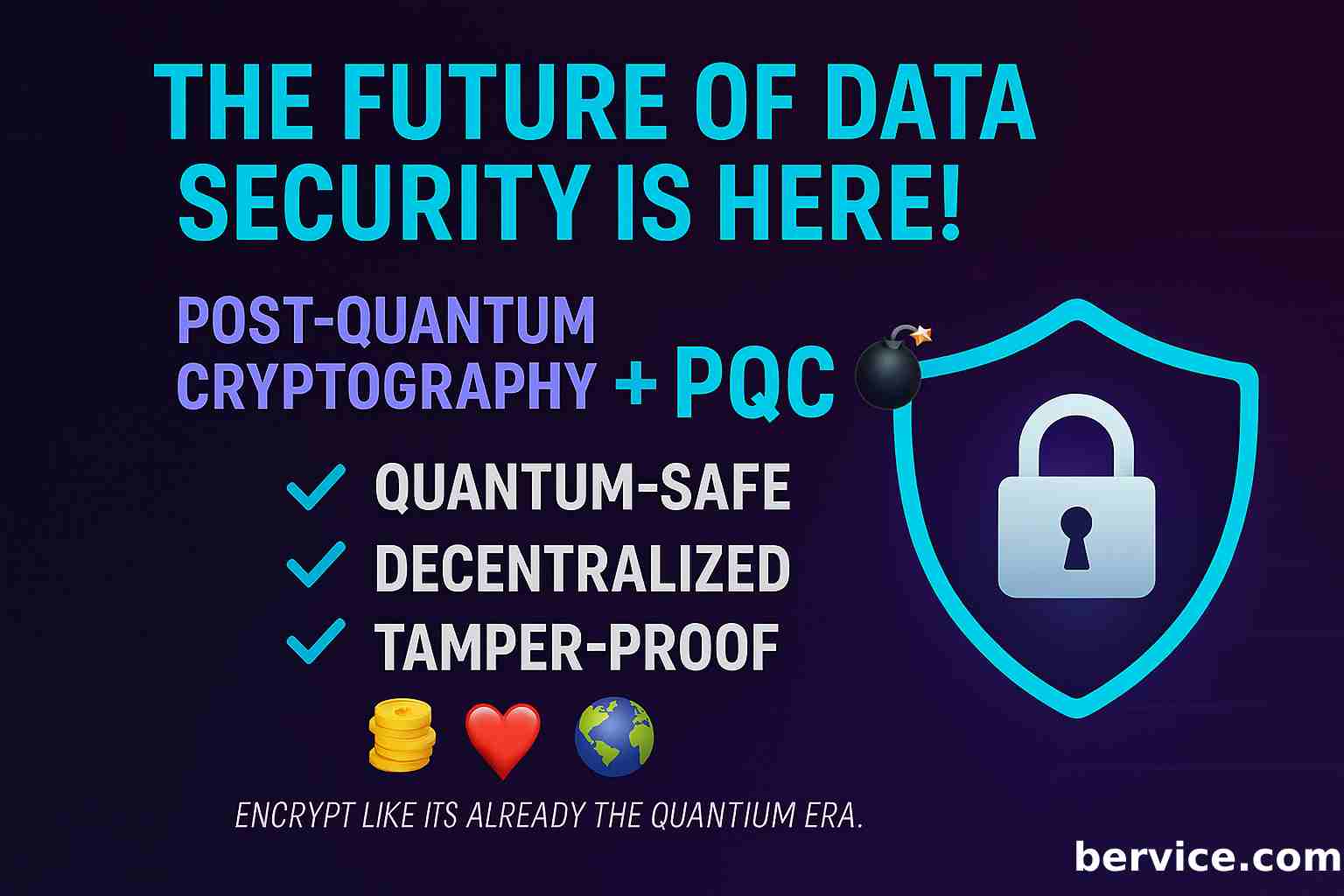
Post-Quantum Cryptography and Blockchain: The Future of Securing Information in the Quantum Era
As quantum computing transitions from theory to practical application, the future of information security stands at a critical crossroads. Classical cryptographic systems — once considered unbreakable — face imminent obsolescence in the face of quantum algorithms like Shor’s and Grover’s. In response, Post-Quantum Cryptography (PQC) has emerged as the leading defense line, particularly when…
-
The Impact of Quantum Computers on Traditional Cryptography
In recent years, quantum computing has rapidly evolved from theoretical speculation to a looming technological reality. As this frontier advances, one of its most disruptive consequences is its potential to break traditional cryptographic systems—those foundational protocols that secure digital communications, banking, national defense, and more. This article explores how quantum computers threaten classical cryptography…