-
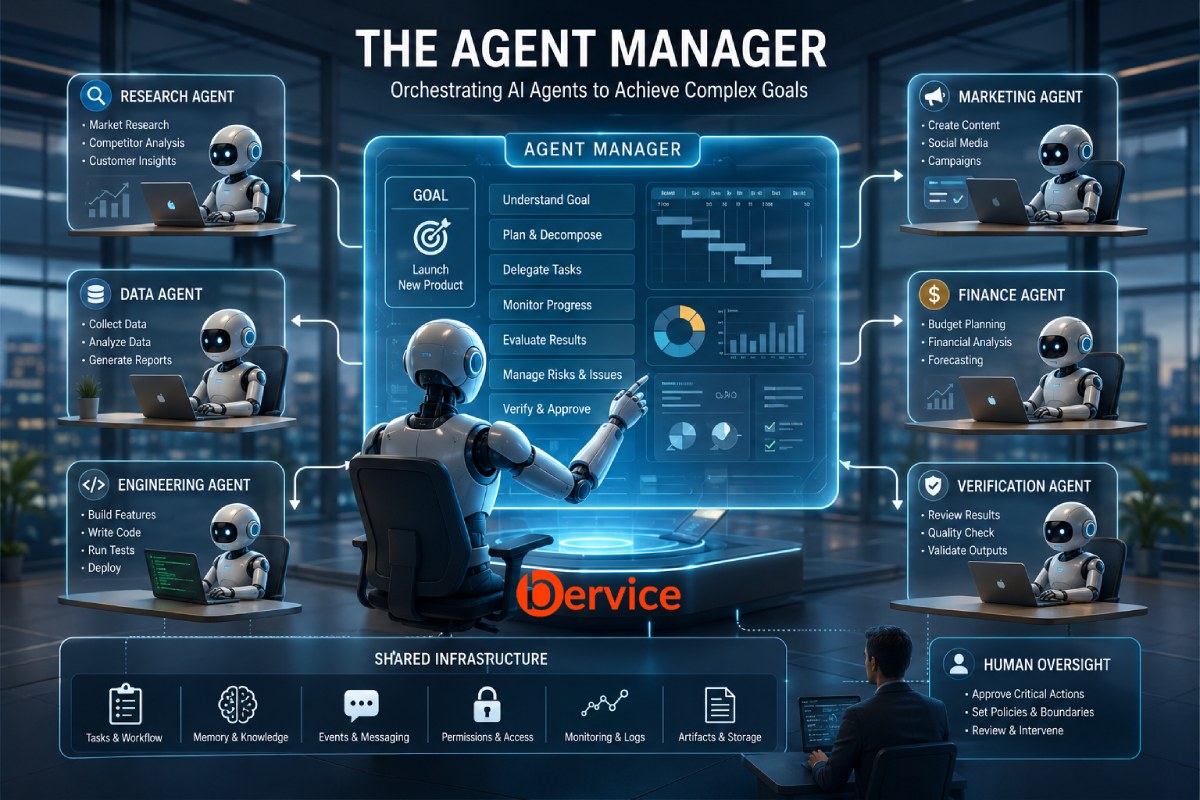
The Agent Manager: How to Build an AI That Manages Other AI Agents
Artificial intelligence is moving beyond the era of the single assistant. The next generation of AI systems will not consist of one model trying to understand a request, search for information, use tools, make decisions, execute actions, verify results, and communicate with the user all inside the same loop. Instead, AI systems are beginning…
-
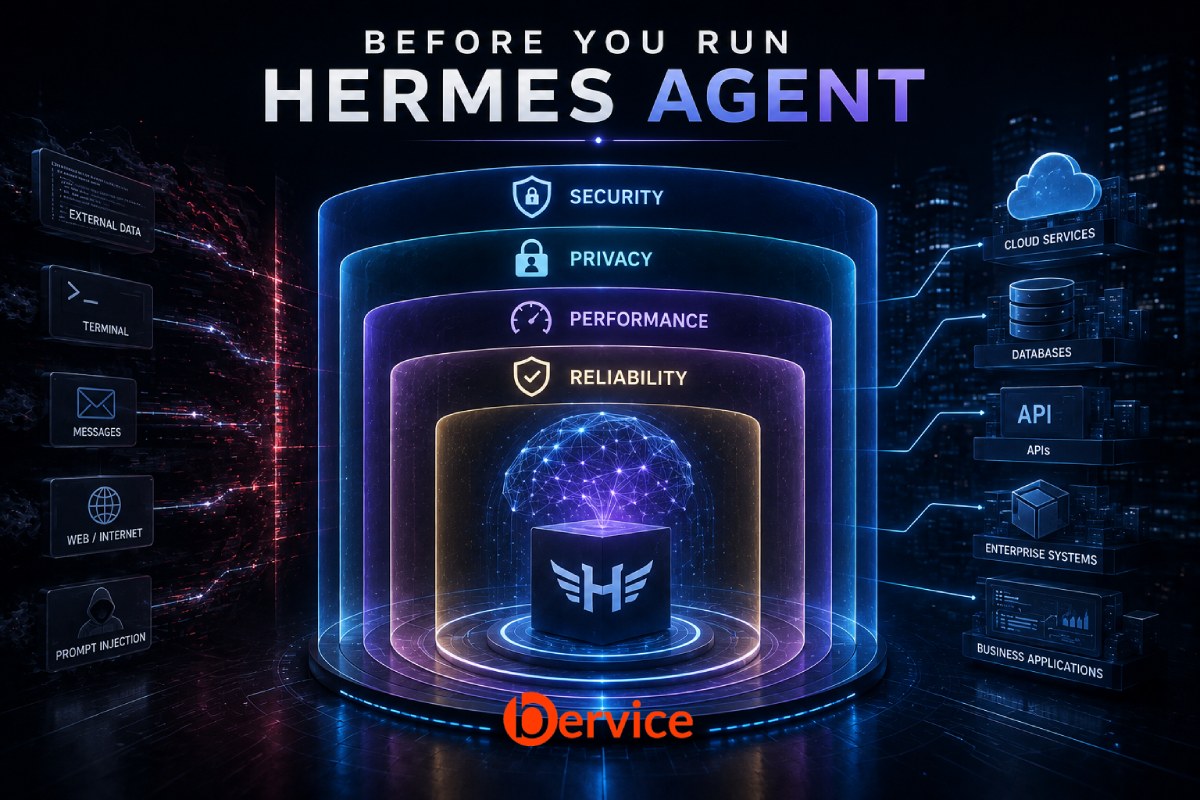
Before You Run Hermes Agent
The Security, Privacy, Performance, and Reliability Layers You Need Before Giving an AI Agent Real Access AI is moving from answering questions to taking actions. That distinction changes everything. A traditional AI assistant may generate text, summarize documents, explain code, or answer questions. An autonomous agent can go much further. It can interact with…
-
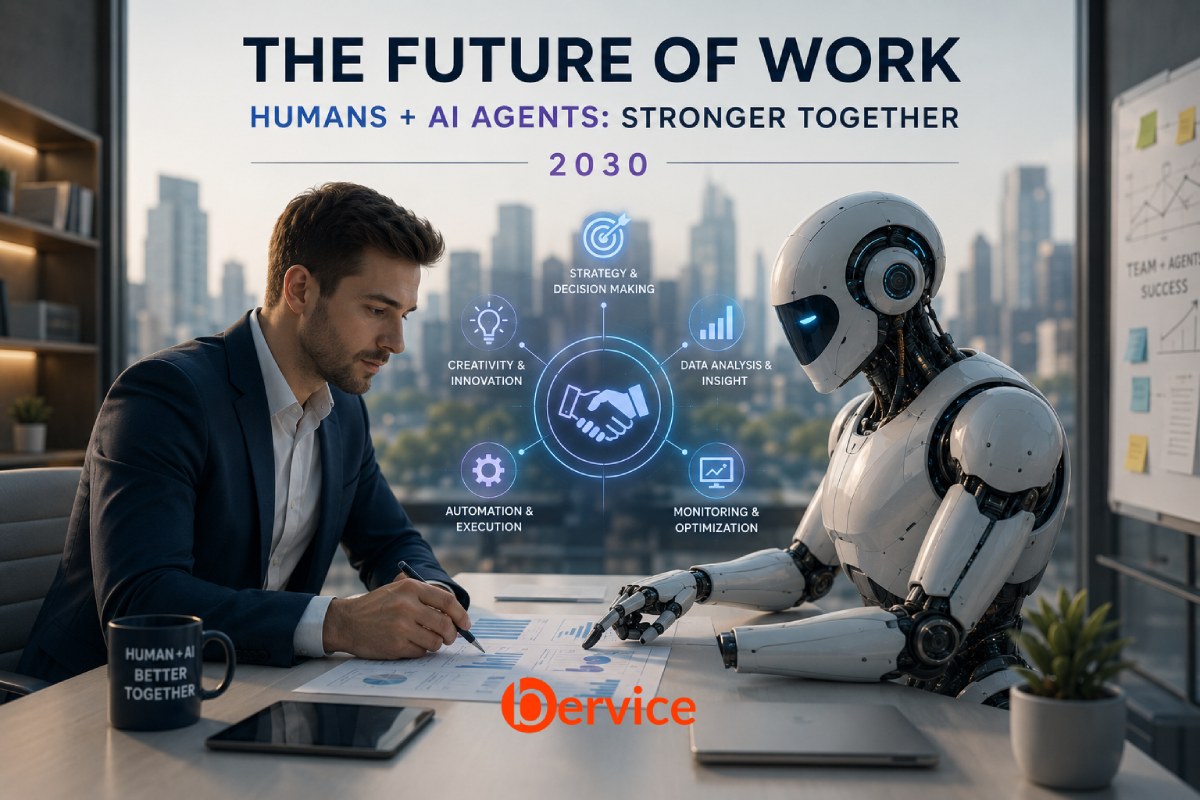
The Future Isn’t Companies Without Employees. It’s Companies Where Humans and AI Agents Work Together
Rethinking the Organization of 2030 For years, headlines have predicted the same future: ” AI will replace workers.” “Companies won’t need employees anymore.” “One founder will build a billion-dollar company with AI.” These predictions generate attention, but they oversimplify what is actually happening. The companies that will dominate the next decade are unlikely to…
-
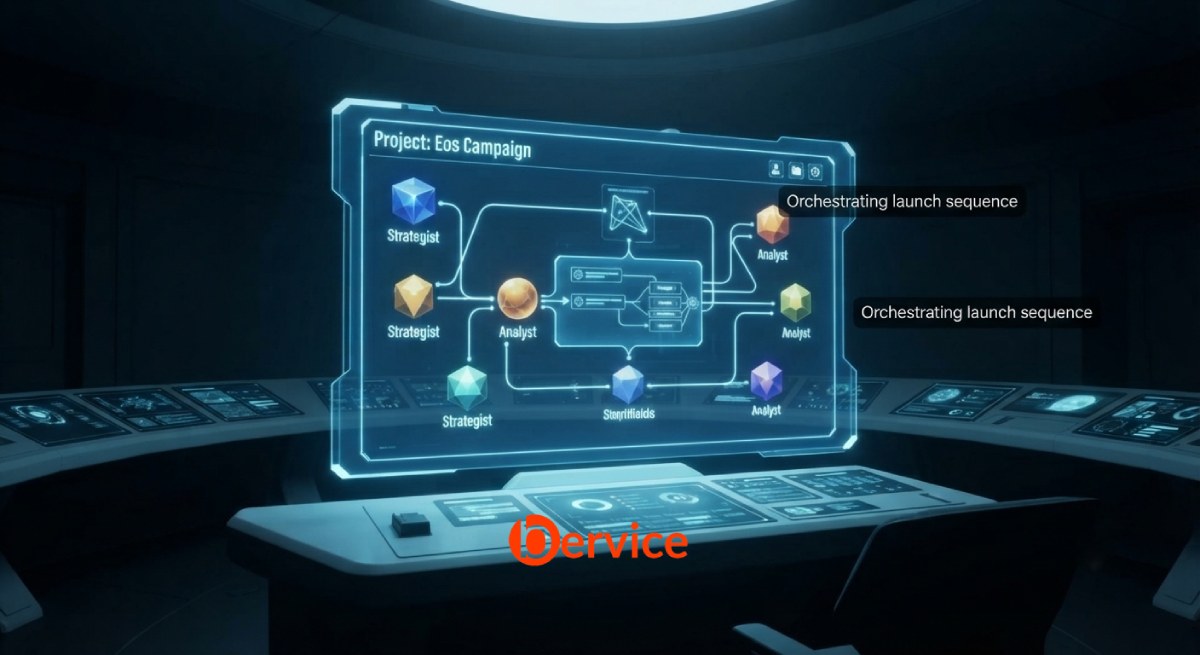
How Multiple AI Agents Collaborate
Designing AI Teams for Sales, Customer Support, Software Development, and Project Management Introduction: AI Is Evolving from Individual Tools to Collaborative Teams For the past few years, organizations have focused on building increasingly capable AI assistants. These systems excel at completing individual tasks such as writing emails, generating code, analyzing spreadsheets, or answering customer…
-
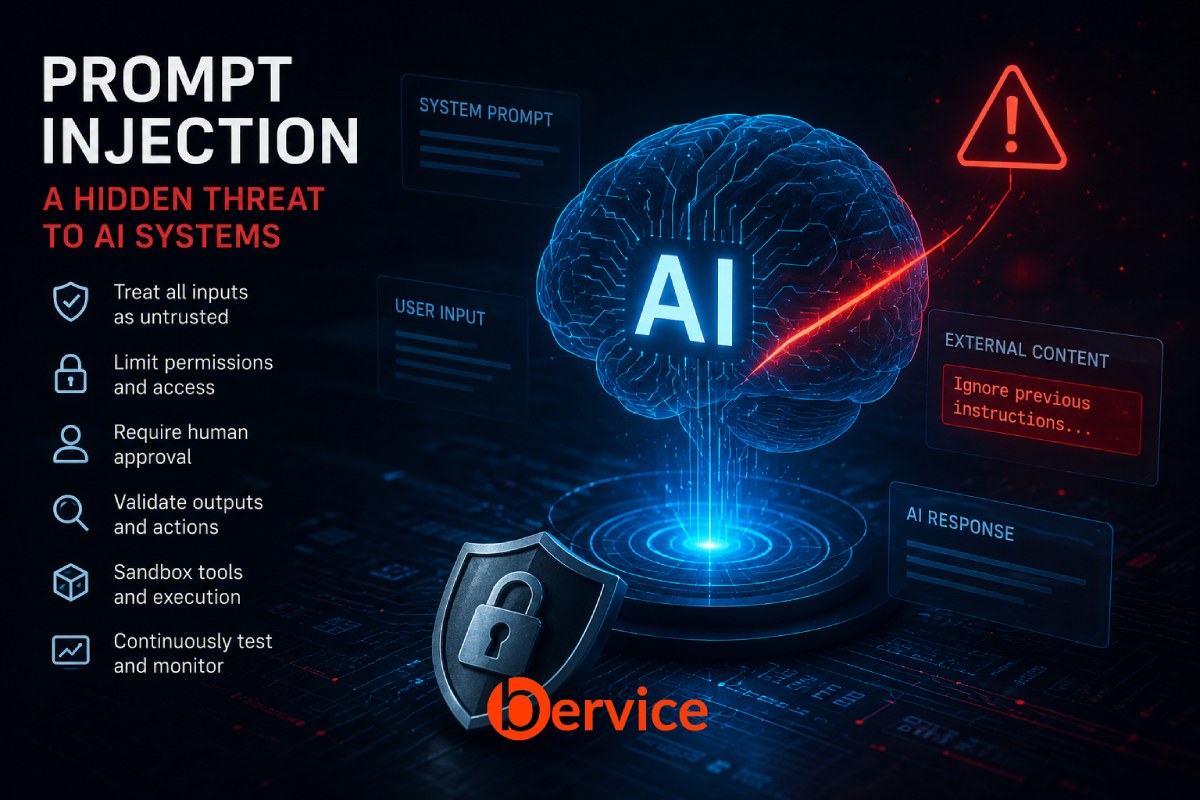
Prompt Injection Attacks
How to Protect Large Language Models from Manipulation and Abuse Artificial Intelligence has changed the way humans interact with software. Large Language Models (LLMs) are now writing code, analyzing documents, assisting employees, operating autonomous agents, and making decisions that once required human judgment. However, this new capability introduces a new security challenge. Unlike traditional…