-
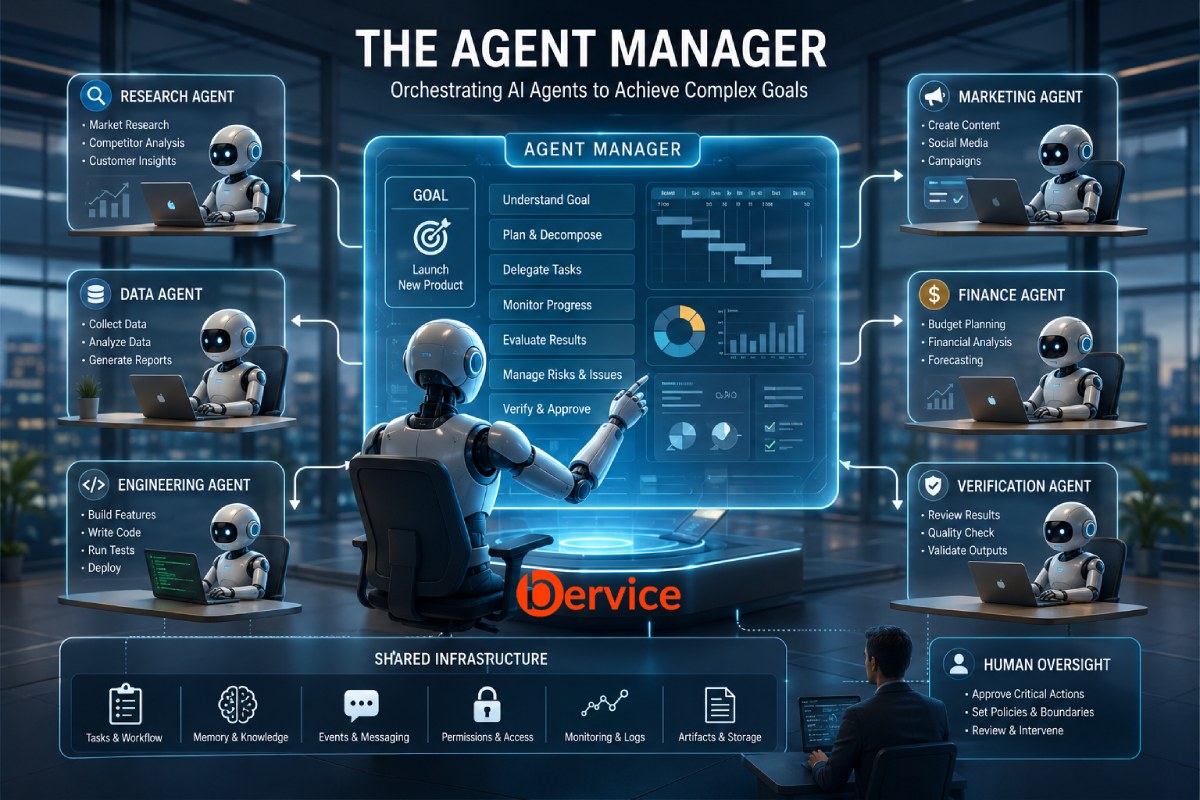
The Agent Manager: How to Build an AI That Manages Other AI Agents
Artificial intelligence is moving beyond the era of the single assistant. The next generation of AI systems will not consist of one model trying to understand a request, search for information, use tools, make decisions, execute actions, verify results, and communicate with the user all inside the same loop. Instead, AI systems are beginning…
-

Before You Run Hermes Agent
The Security, Privacy, Performance, and Reliability Layers You Need Before Giving an AI Agent Real Access AI is moving from answering questions to taking actions. That distinction changes everything. A traditional AI assistant may generate text, summarize documents, explain code, or answer questions. An autonomous agent can go much further. It can interact with…
-
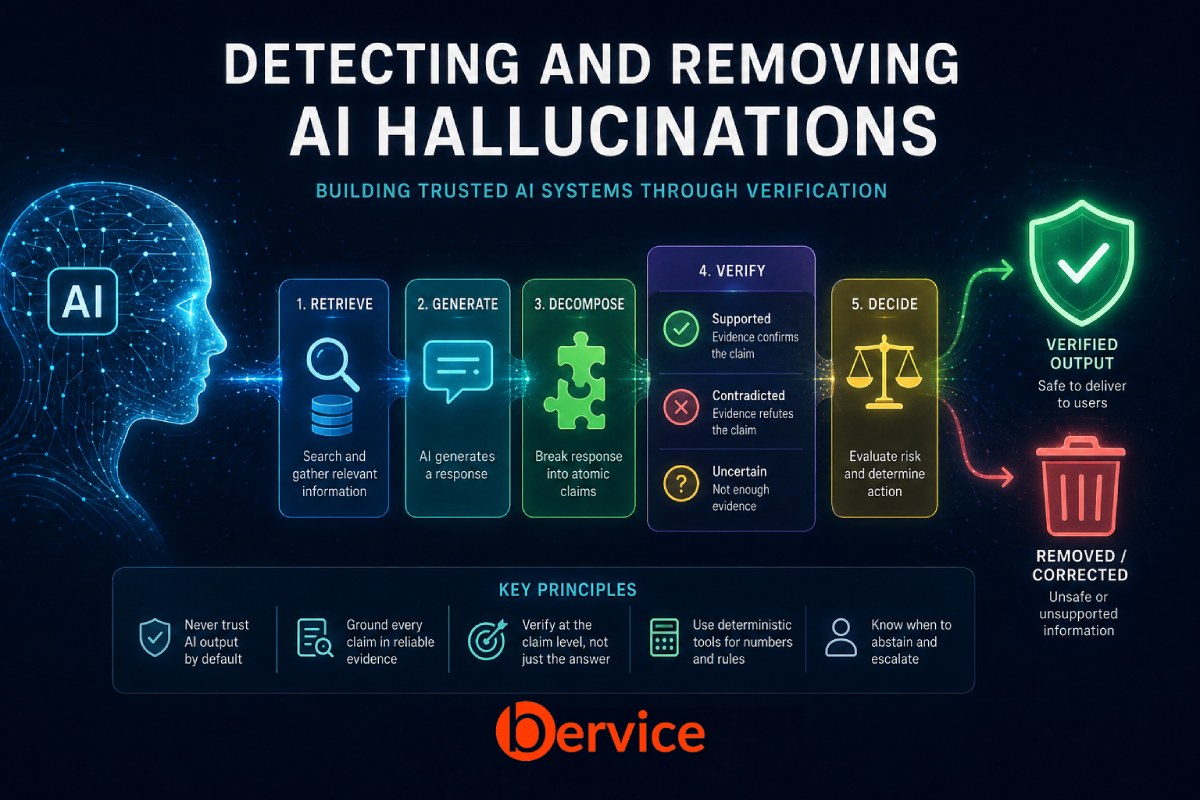
How to Automatically Detect and Remove AI Hallucinations from Production Systems
Introduction Artificial intelligence systems are rapidly moving from simple chat interfaces into infrastructure that makes decisions, analyzes documents, generates reports, searches corporate knowledge, writes software, communicates with customers, and operates autonomous agents. This transition creates a fundamental engineering problem: How can we determine whether an AI-generated statement is actually supported by evidence before allowing…
-
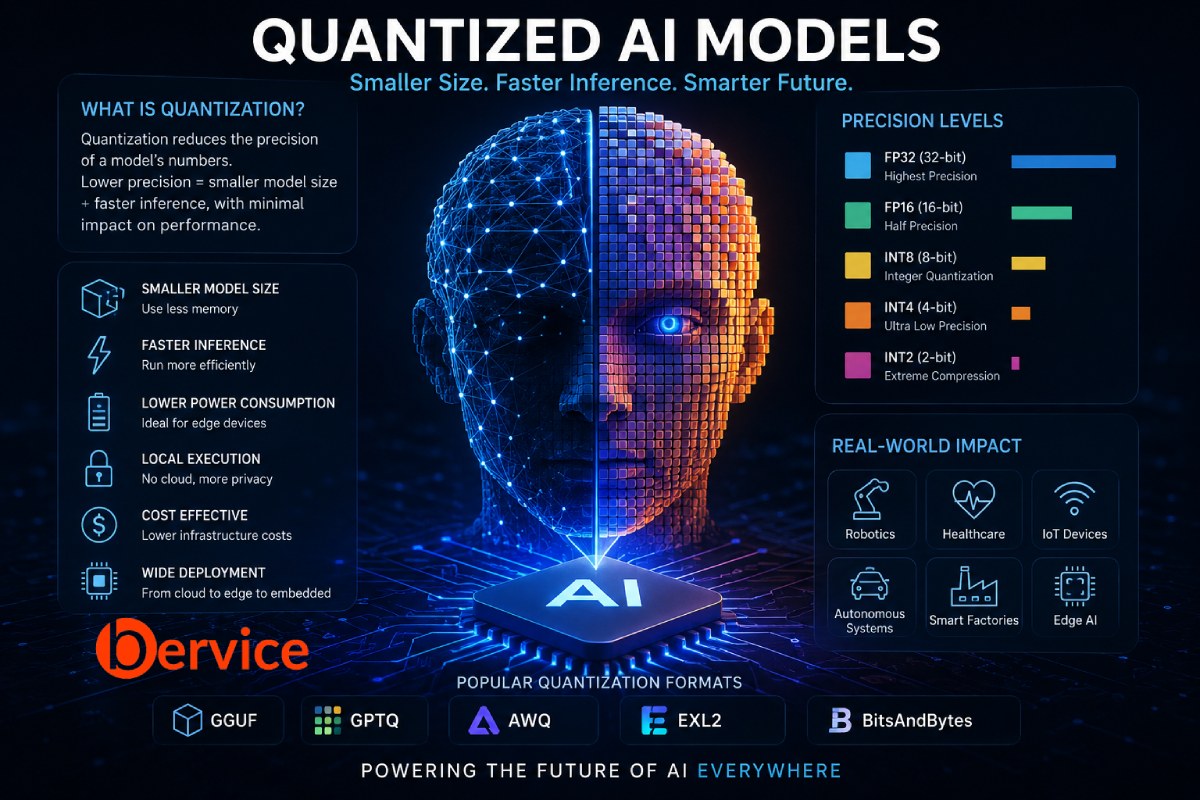
Quantized AI Models: How They Work, How They Are Built, and Why They Matter
Introduction Artificial Intelligence models have grown at an extraordinary pace. Modern Large Language Models (LLMs) often contain billions or even trillions of parameters, enabling remarkable reasoning, language understanding, programming, image generation, and scientific assistance. However, these capabilities come at a significant computational cost. Running a large AI model traditionally requires enormous amounts of GPU…
-
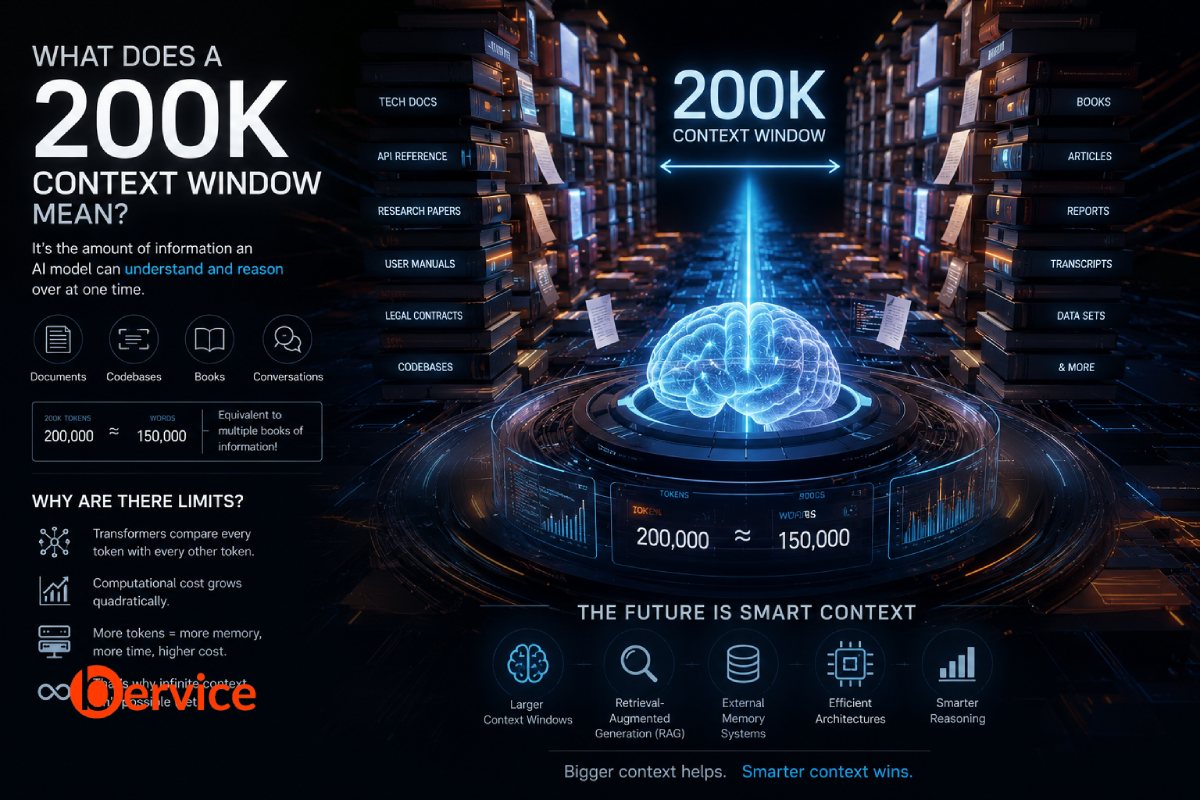
What Does a 200K Context Window Mean and Why Do Large Language Models Have Limits?
Introduction As artificial intelligence becomes more powerful, one specification appears frequently in discussions about modern Large Language Models (LLMs): the context window. You may hear statements such as: “This model supports 32K tokens.” “That model can process 128K tokens.” “The latest model offers a 200K context window.” But what do these numbers actually mean?…