-
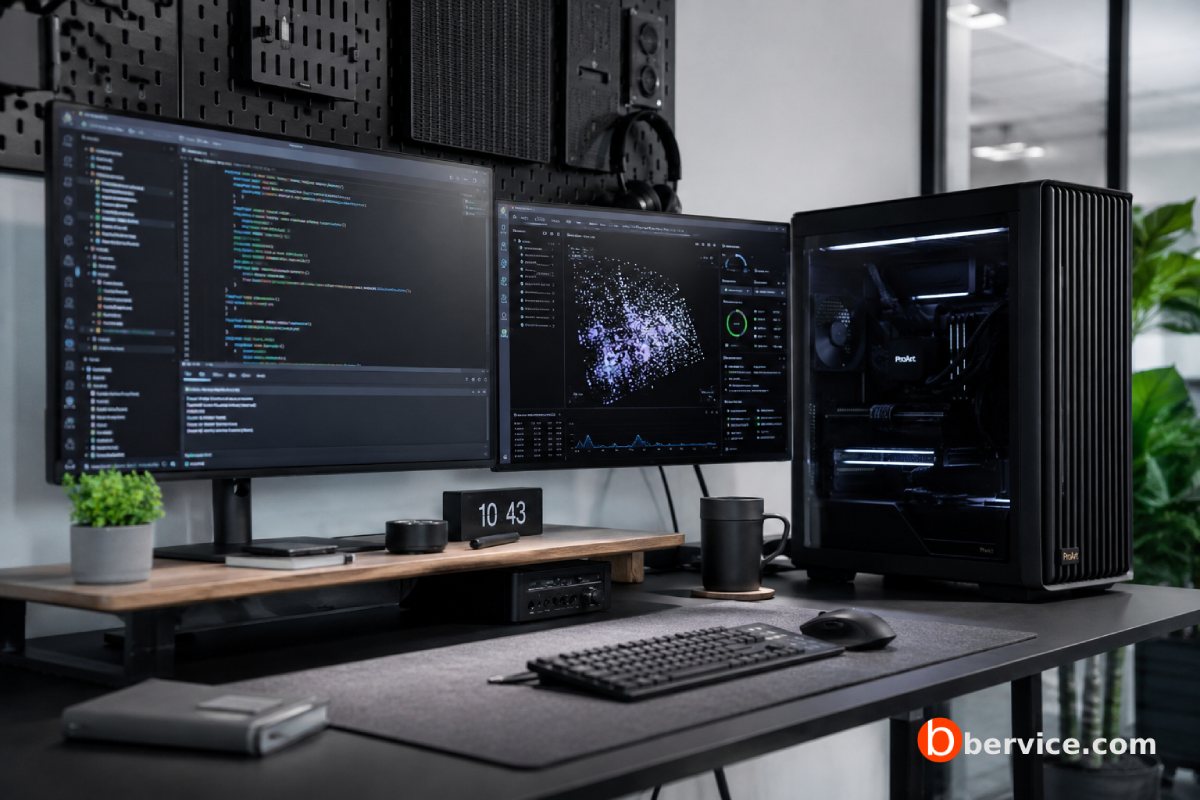
The Role of Enterprise Workstations in Building AI Infrastructure
How AI Model Developers Manage Software Complexity 1. Introduction: AI Infrastructure Is No Longer Only About the Cloud Artificial intelligence infrastructure is often discussed in terms of cloud GPUs, massive data centers, and large-scale clusters. However, enterprise workstations still play a critical role in the practical development of AI systems. For many teams, the…
-
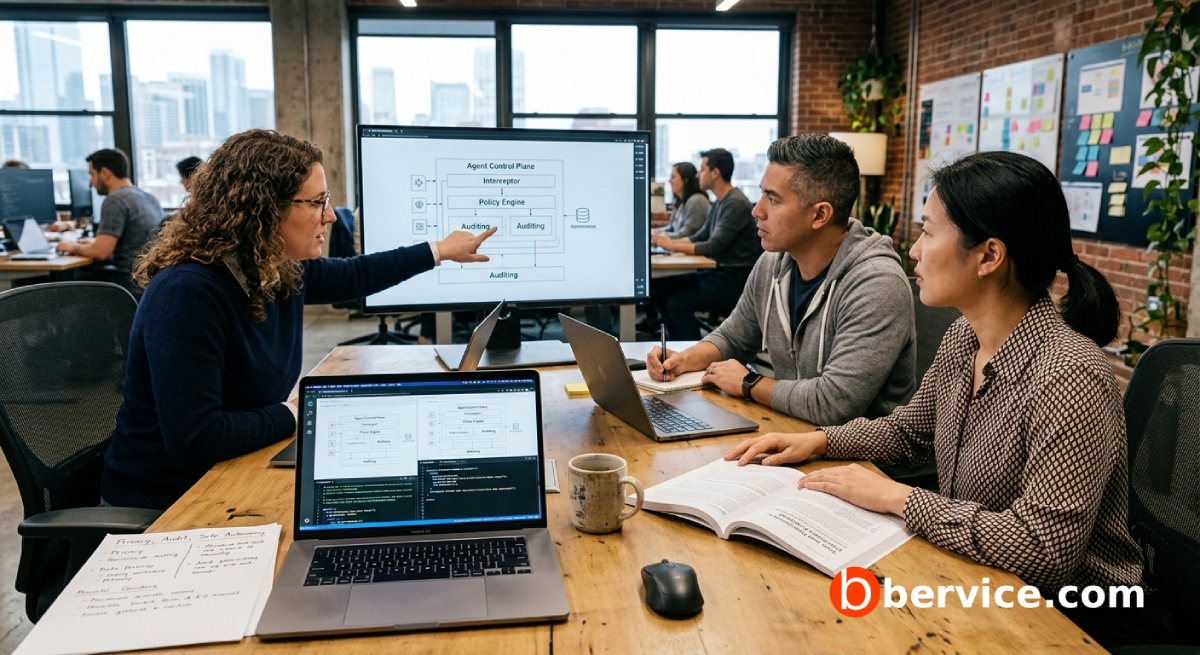
Tools and Architectures for Controlling AI Agents
A Practical Guide to Privacy, Governance, and Safe Autonomy 1. Introduction As AI agents evolve from simple assistants into autonomous decision-makers, the challenge is no longer just capability, but control. Organizations need to ensure that agents act within defined boundaries, respect privacy, and remain auditable. This is especially critical in systems like decentralized platforms,…
-
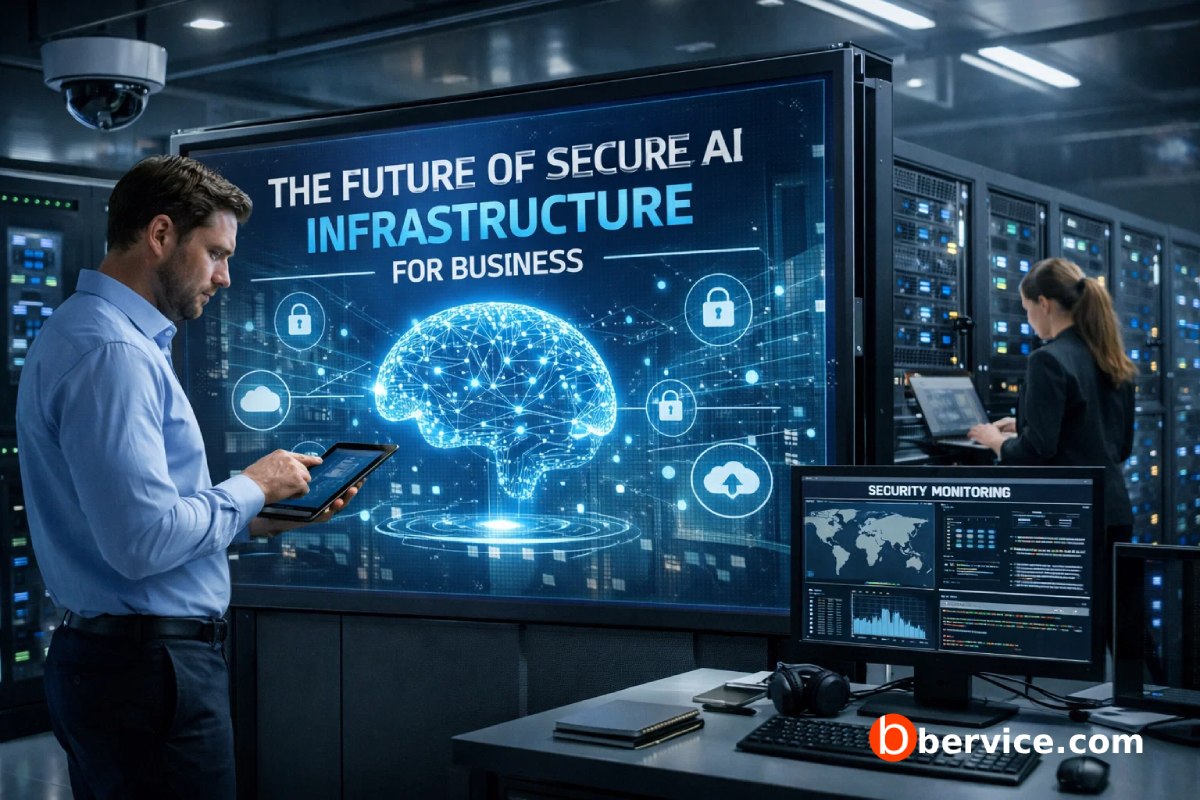
The Future of Secure AI Infrastructure for Business
Introduction: A New Era of AI AdoptionIn the near future, we will see the rise of new digital infrastructures that allow companies, organizations, and users to benefit from artificial intelligence without sacrificing security, privacy, or control over sensitive information. As AI becomes more central to decision making, operations, customer service, internal analysis, and strategic…
-

Local AI as the Most Secure Path to Trust for Companies Especially Startups
In an era where data is the most valuable asset a company holds, trust has become the defining currency of modern business. For startups in particular, this trust is fragile. A single data breach, a misused API, or an unclear data policy can permanently damage credibility. Against this backdrop, local artificial intelligence (local AI)…
-

The Shift from Centralized AI to Personal AI: Why the Landscape Is Changing
Introduction: A Structural Transition, Not a Trend Artificial intelligence is not disappearing from the cloud, but its center of gravity is shifting. What we are observing is not the decline of online AI systems, but a redistribution of where intelligence lives and how it is accessed. Increasingly, AI is moving from centralized, company-controlled infrastructure…