-

Before You Run Hermes Agent
The Security, Privacy, Performance, and Reliability Layers You Need Before Giving an AI Agent Real Access AI is moving from answering questions to taking actions. That distinction changes everything. A traditional AI assistant may generate text, summarize documents, explain code, or answer questions. An autonomous agent can go much further. It can interact with…
-
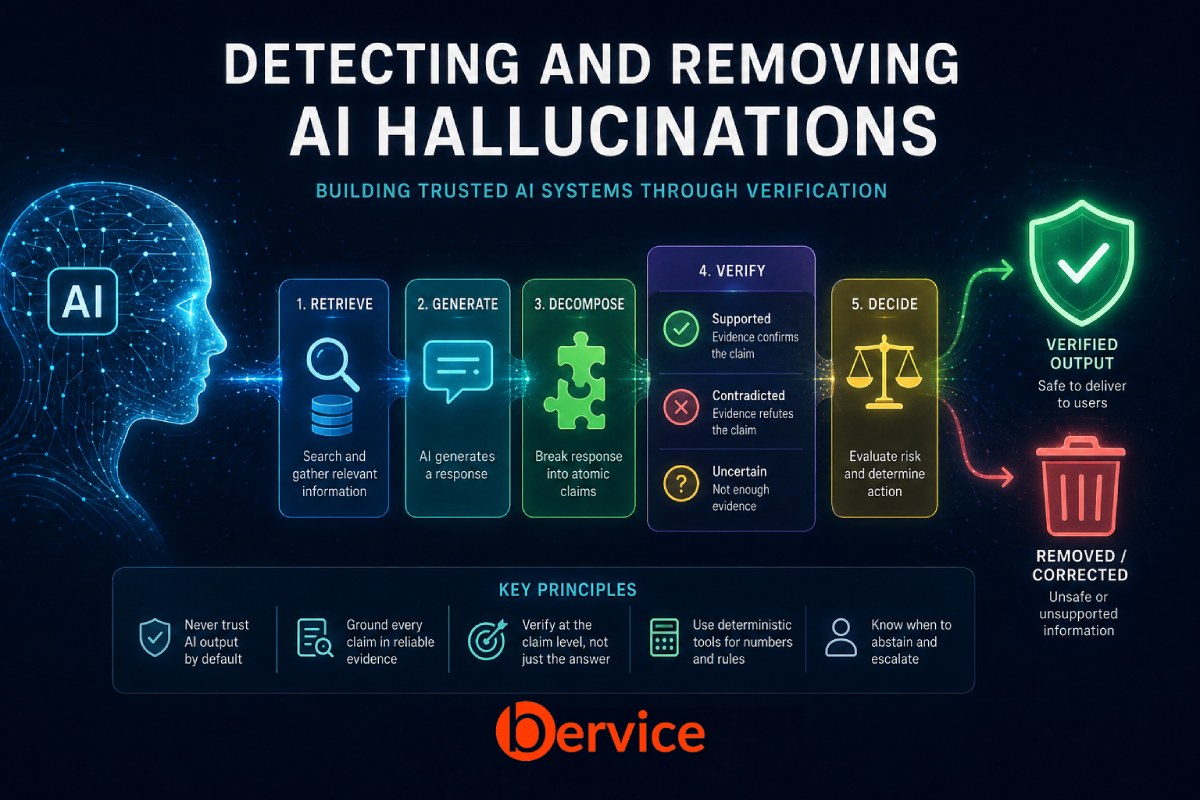
How to Automatically Detect and Remove AI Hallucinations from Production Systems
Introduction Artificial intelligence systems are rapidly moving from simple chat interfaces into infrastructure that makes decisions, analyzes documents, generates reports, searches corporate knowledge, writes software, communicates with customers, and operates autonomous agents. This transition creates a fundamental engineering problem: How can we determine whether an AI-generated statement is actually supported by evidence before allowing…
-

Protecting Personal Data When Using CLI-Based AI Agents on Linux, macOS, and Windows
Introduction AI agents are moving out of the browser and into one of the most powerful environments on a computer: the command line. CLI-based AI agents can inspect repositories, read files, execute commands, install dependencies, interact with Git, call APIs, modify configuration files, and sometimes control large portions of a development environment. That power…
-

Cloud Automation: Building the Secure Foundation for AI Integration
Artificial Intelligence Doesn’t Fail Because of Intelligence. It Fails Because of Infrastructure. Artificial Intelligence is entering every layer of modern business. Organizations are embedding AI into customer support, software development, cybersecurity, finance, healthcare, manufacturing, and cloud operations. Yet despite massive investments, many AI initiatives never reach production or fail to deliver long term value.…
-
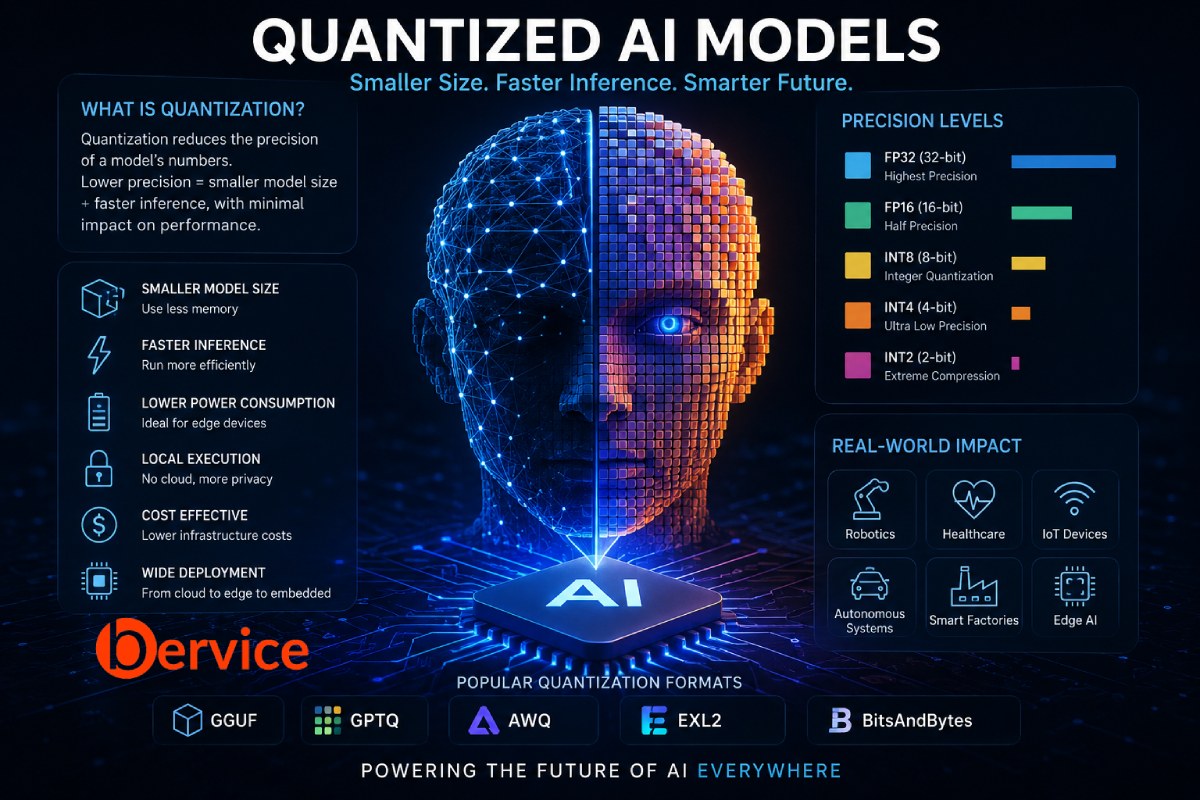
Quantized AI Models: How They Work, How They Are Built, and Why They Matter
Introduction Artificial Intelligence models have grown at an extraordinary pace. Modern Large Language Models (LLMs) often contain billions or even trillions of parameters, enabling remarkable reasoning, language understanding, programming, image generation, and scientific assistance. However, these capabilities come at a significant computational cost. Running a large AI model traditionally requires enormous amounts of GPU…