-
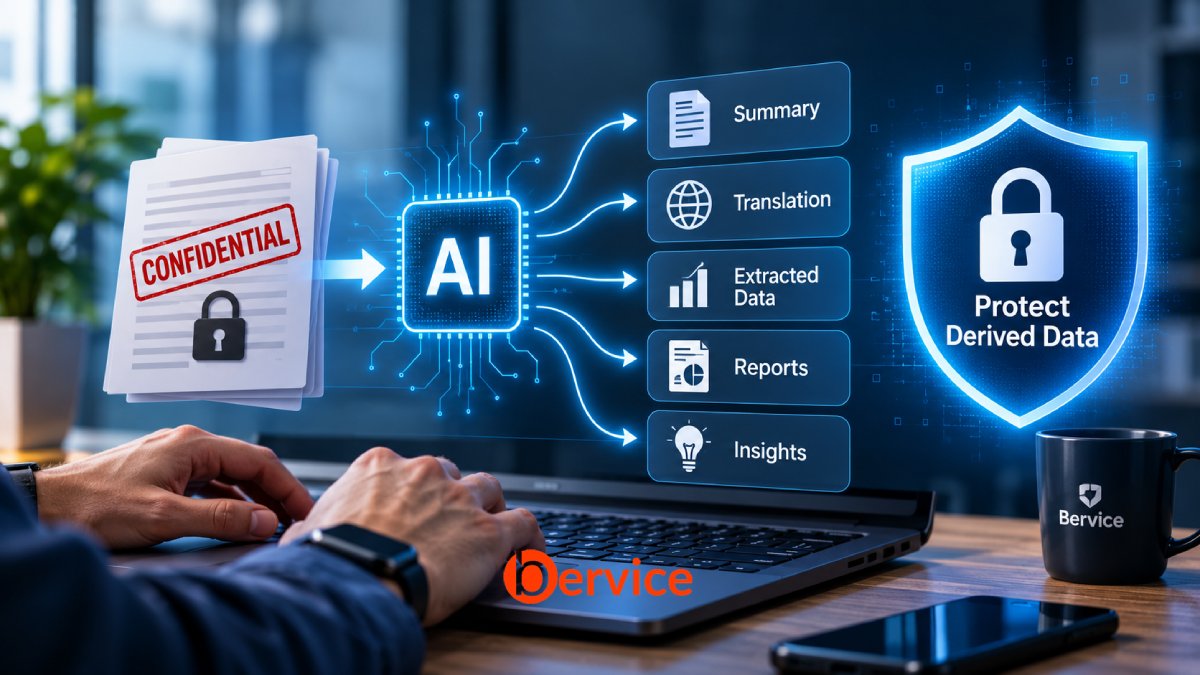
Your AI’s Summary May Be as Sensitive as the Original
The Hidden Security Risk of AI-Generated Documents, Summaries, and Extracted Information Introduction: When the Original Document Is No Longer the Only Risk Imagine that your company receives a confidential business contract. It contains pricing agreements, customer information, intellectual property, financial commitments, and details about future projects. To save time, an employee uploads it to…
-
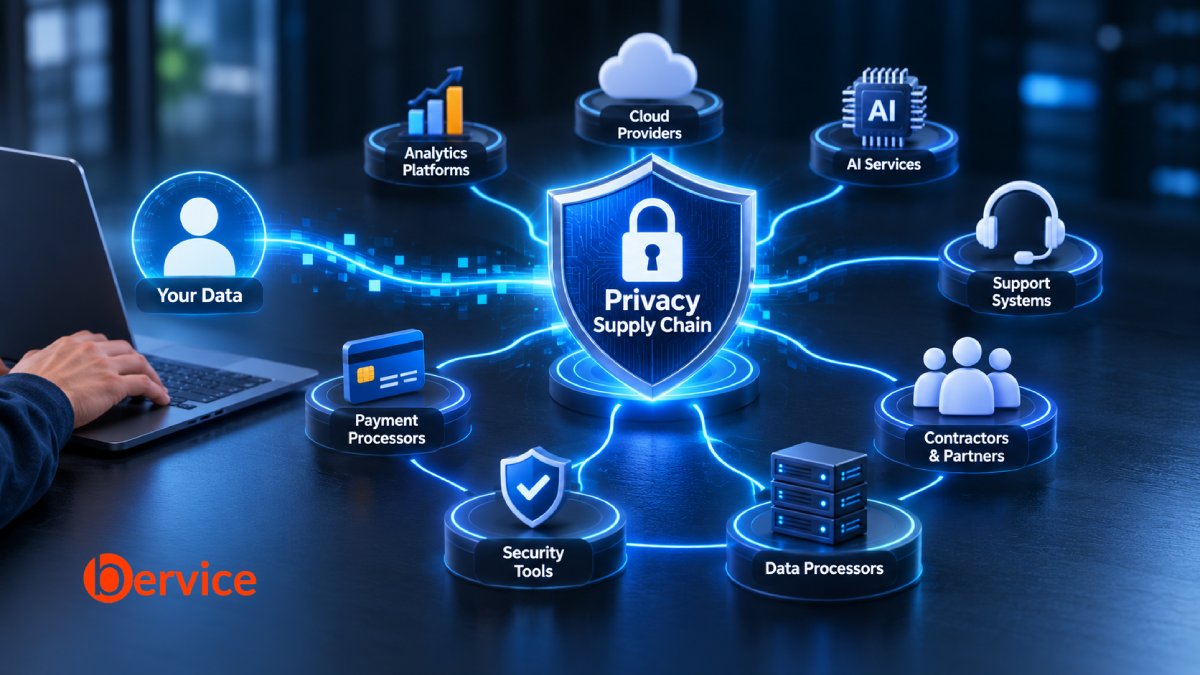
Privacy Has a Supply Chain
Your Data Does Not Stop at the Service You Trust We often think of privacy as a relationship between ourselves and the companies we choose to trust. We sign up for a service. We read its privacy policy, accept its terms, and assume that our information remains within the boundaries of that organization. But…
-
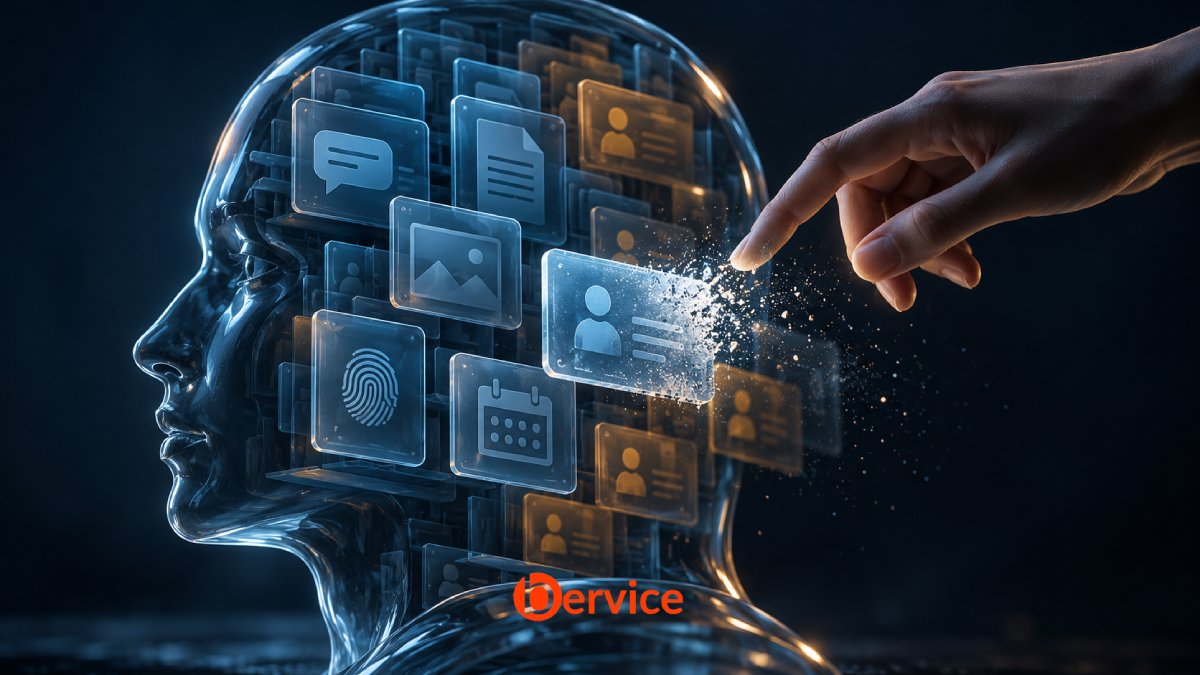
AI Memory Is Becoming a Privacy Problem
An assistant that remembers you can be more useful. But what does it retain, and how can you know when it has truly forgotten? An AI assistant remembers how you like your emails written. It knows which project you are working on, which language you prefer, and which explanations you have already heard. That…
-
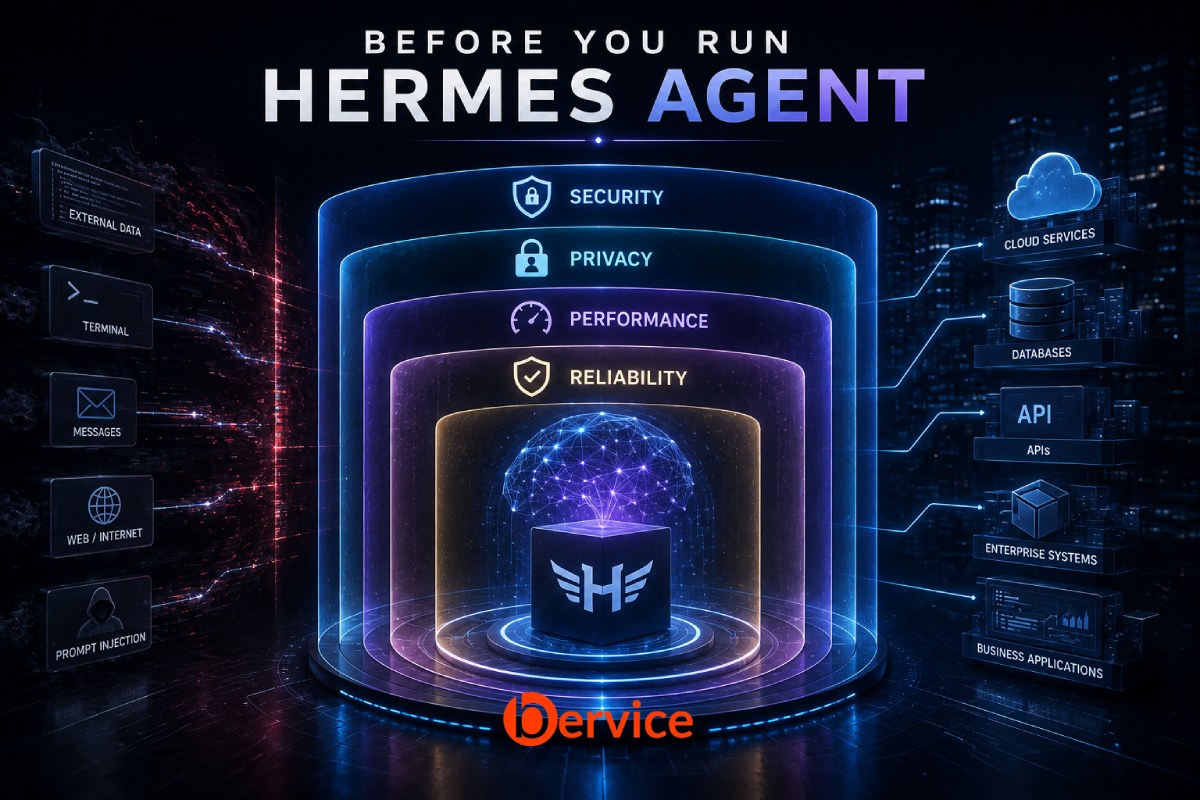
Before You Run Hermes Agent
The Security, Privacy, Performance, and Reliability Layers You Need Before Giving an AI Agent Real Access AI is moving from answering questions to taking actions. That distinction changes everything. A traditional AI assistant may generate text, summarize documents, explain code, or answer questions. An autonomous agent can go much further. It can interact with…
-
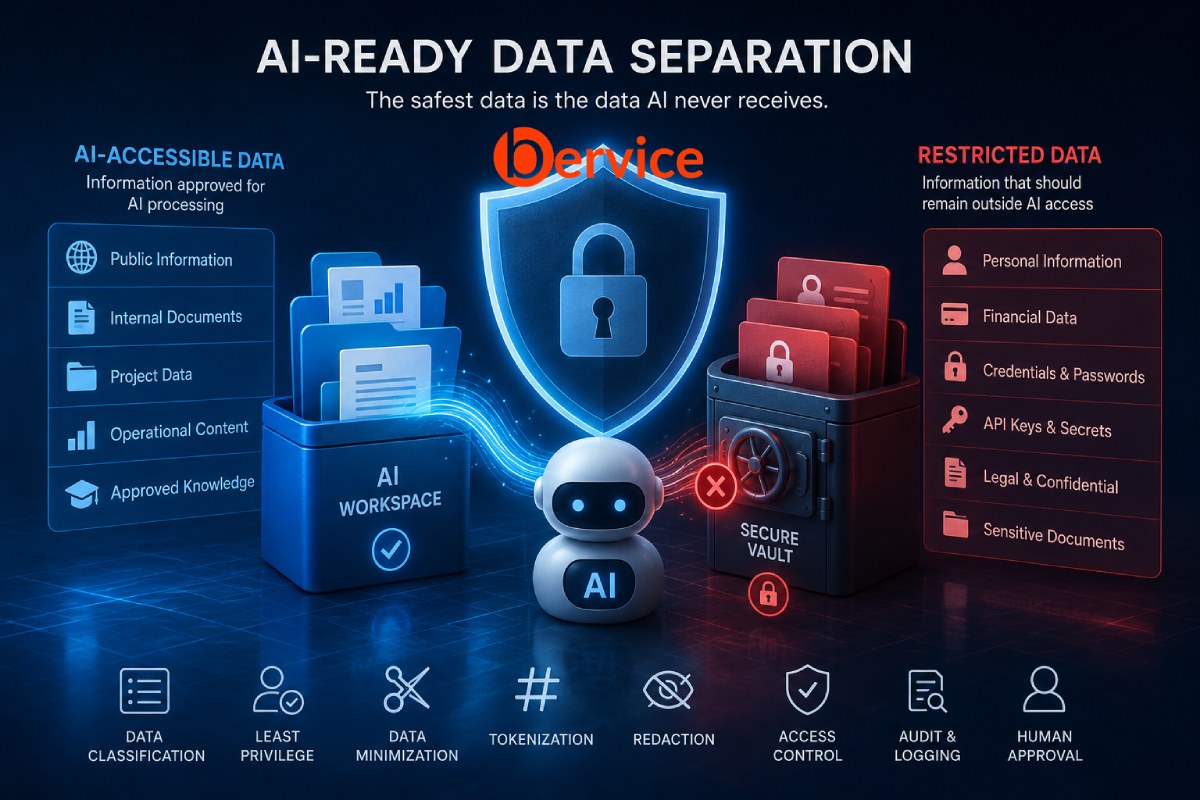
Separating Everyday Data from Sensitive Information in the Age of AI
Introduction Artificial intelligence is rapidly becoming part of everyday digital life. AI systems can now help us write emails, analyze documents, summarize meetings, search company knowledge, generate software, manage projects, analyze financial information, and automate repetitive work. The productivity benefits are enormous. But the expansion of AI into our daily workflows introduces a fundamental…